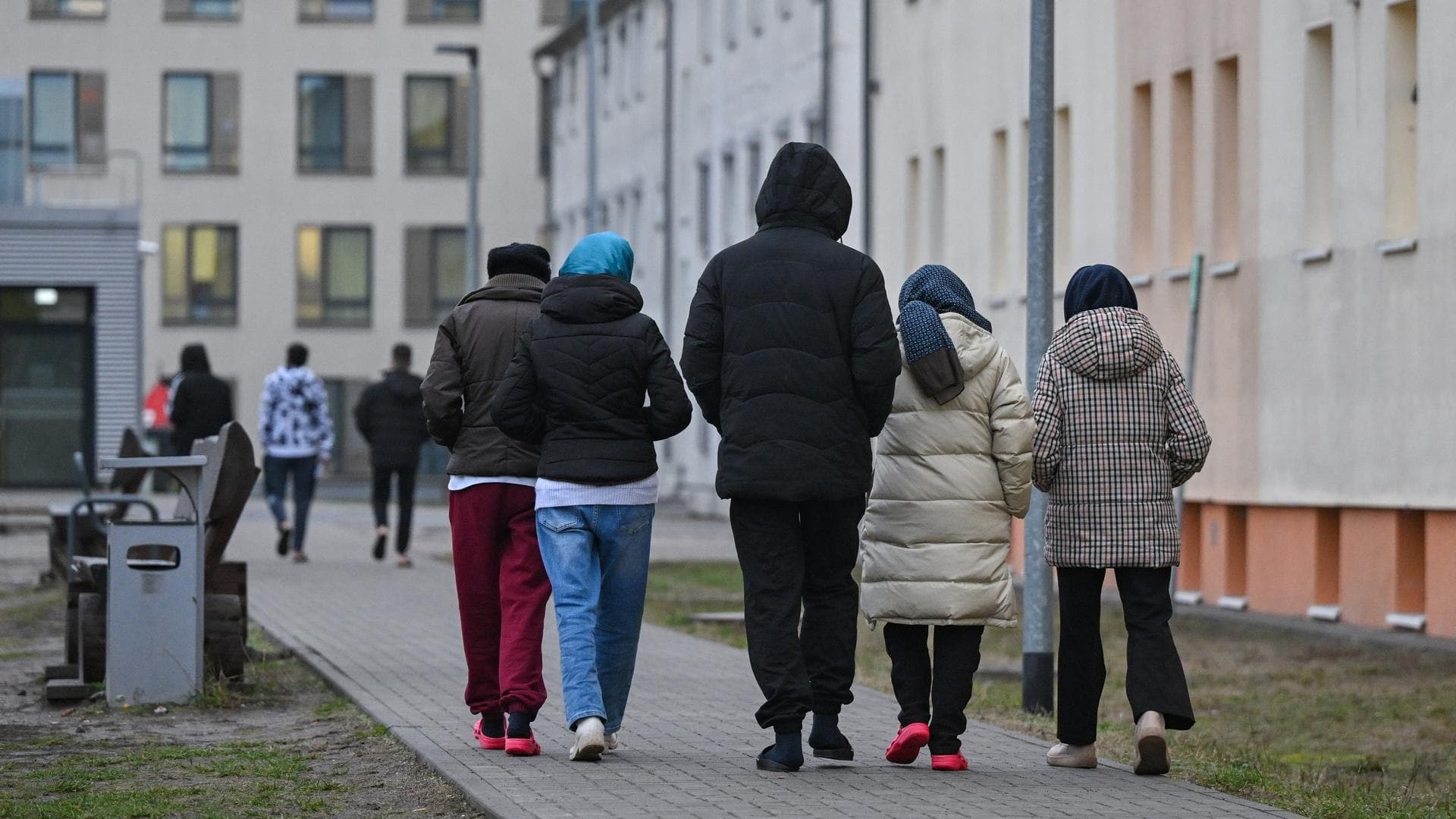
Asylum Applications in Germany Drop 32.8% to 168,543 in 2025
In a significant development regarding immigration trends, Germany has reported a sharp decline in asylum applications for the year 2025. According to official statistics released by the German Federal Ministry of the Interior (BMI) and the Federal Office for Migration and Refugees (BAMF), the country received a total of 168,543 asylum applications, which includes both first-time and follow-up applications. This figure represents a notable decrease of 32.8% compared to the previous year, 2024, when Germany recorded 250,945 applications.
Key Details
The decline in asylum applications is primarily driven by a substantial drop in first-time applications. In 2025, first-time asylum applications fell to 113,236, marking a staggering 51% decrease from the 229,751 applications recorded in 2024. Furthermore, this figure is 66% lower than the peak of 329,120 first-time applications that Germany experienced in 2023.
The German government has attributed this continued downward trend, which has persisted for two consecutive years, to a series of stringent measures aimed at controlling immigration. These measures include:
- Stricter Border Controls: Enhanced enforcement at Germany"s borders has been implemented to deter unauthorized entry.
- Suspension of Family Reunification: In certain cases, the government has suspended the process of family reunification for asylum seekers, which has historically been a significant pull factor for migrants.
- Increased Deportations: The number of deportations has risen by approximately 20%, reflecting a more aggressive stance on removing individuals who do not qualify for asylum.
- Other Measures: Additional policies and regulations have been introduced to further reduce the factors that attract migrants to Germany.
Background
The decline in asylum applications comes in the context of a broader European migration crisis that has seen fluctuating numbers of individuals seeking refuge in various countries. Germany, which has been one of the primary destinations for asylum seekers in Europe, previously experienced a surge in applications during 2023, prompting the government to reassess its immigration policies. The statistics for 2025 indicate a significant shift in this trend, highlighting the impact of government interventions on migration patterns.
What"s Next
As the German government continues to implement stricter immigration controls, the long-term implications for asylum seekers and the broader refugee landscape in Europe remain to be seen. The reduction in applications may lead to changes in how Germany and other European nations approach asylum policies, particularly in light of ongoing geopolitical tensions and humanitarian crises that drive migration. Observers will be closely monitoring how these policies evolve and their effects on both asylum seekers and the countries involved.
For further insights into related developments in immigration policies, you may refer to recent developments regarding the U.S. administration"s stance on Temporary Protected Status for migrants.
![[Video] Protests erupt in Minneapolis after ICE detains teenager, multiple arrests made](/_next/image?url=%2Fapi%2Fimage%2Fthumbnails%2Fthumbnail-1768331835371-z9ylqg-thumbnail.jpg&w=3840&q=75)
![[Video] Heavy clashes in Minneapolis after ICE raid; pepper balls and tear gas used](/_next/image?url=%2Fapi%2Fimage%2Fthumbnails%2Fthumbnail-1768331722941-ek0ecg-thumbnail.jpg&w=3840&q=75)
![[Video] ICE agent shatters window on passenger side of vehicle in Minneapolis](/_next/image?url=%2Fapi%2Fimage%2Fthumbnails%2Fthumbnail-1768331638090-ewaccn-thumbnail.jpg&w=3840&q=75)
![[Video] Woman pulled from car during clashes between activists and federal agents in Minneapolis](/_next/image?url=%2Fapi%2Fimage%2Fthumbnails%2Fthumbnail-1768330329868-k8nu7a-thumbnail.jpg&w=3840&q=75)
![[Video] Protesters surround federal agents at Target in Minneapolis](/_next/image?url=%2Fapi%2Fimage%2Fthumbnails%2Fthumbnail-1768331517834-1384td-thumbnail.jpg&w=3840&q=75)