China Calls US Seizure of Ships a Serious Violation of International Law
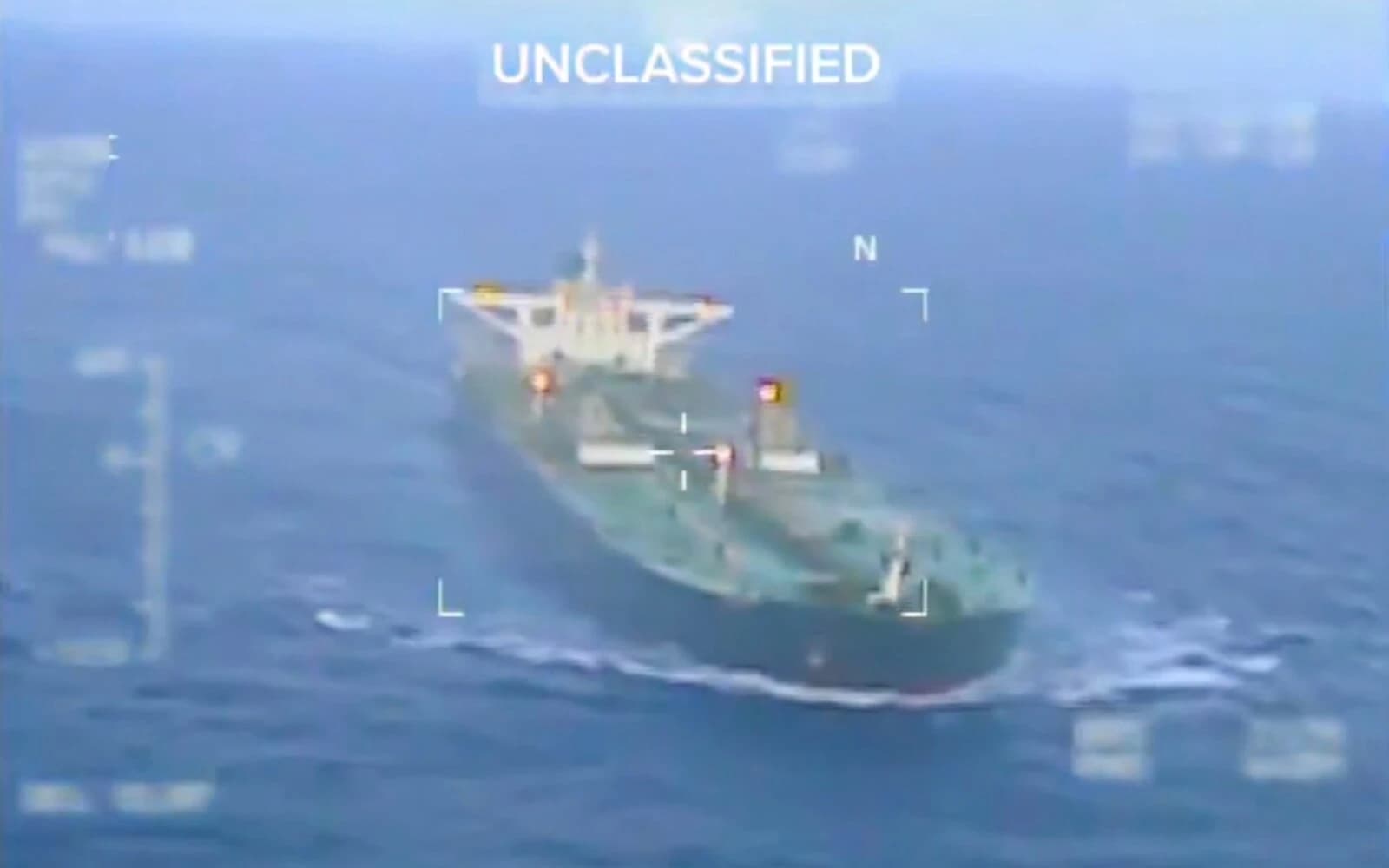
On December 22, 2025, China"s foreign ministry issued a strong condemnation of the United States" recent seizure of a China-bound oil tanker, describing the action as a "serious violation" of international law. This statement followed the U.S. Coast Guard"s interception of the tanker, which was located in international waters off the coast of Venezuela.
Key Details
The incident involved the U.S. Coast Guard intercepting an oil tanker named Centuries on December 20, 2025. This vessel was reportedly loaded with approximately 1.8 million barrels of Venezuelan Merey crude oil, which was destined for China. The tanker had been falsely flagged under the name "Crag" to disguise its true origin and cargo. Documentation revealed that the crude oil was purchased by Satau Tijana Oil Trading, a company that acts as an intermediary in the sales transactions between Venezuela"s state oil company, Petróleos de Venezuela S.A. (PDVSA), and independent refiners in China.
Lin Jian, a spokesperson for China"s foreign ministry, emphasized that Venezuela has the sovereign right to establish and develop its relations with other countries, including China. He reiterated China"s opposition to what he termed "unilateral and illegal" sanctions imposed by the United States. This sentiment reflects China"s broader stance against U.S. sanctions that target nations it views as allies or partners.
The U.S. Coast Guard"s interception of the Centuries was part of a broader strategy announced by President Donald Trump, who declared a "blockade" on all sanctioned oil tankers entering or leaving Venezuela. The White House characterized the Centuries as a "falsely flagged vessel" carrying oil that is subject to U.S. sanctions, further asserting that it was part of Venezuela"s so-called "shadow fleet," which consists of vessels attempting to evade international sanctions.
In response to the U.S. actions, the Venezuelan government condemned the interception, labeling it a "serious act of international piracy." This statement underscores the tensions surrounding Venezuela"s oil exports, which are critical to its economy and heavily reliant on Chinese demand.
China is currently the largest importer of Venezuelan crude oil, accounting for approximately 4% of its total oil imports. The relationship between Venezuela and China has grown increasingly significant, particularly as Venezuela faces economic challenges exacerbated by U.S. sanctions aimed at crippling its oil industry.
Background
The backdrop of this incident is rooted in the ongoing geopolitical tensions between the United States and both Venezuela and China. The U.S. has imposed a series of sanctions on Venezuela in recent years in an effort to undermine the government of President Nicolás Maduro, whom it accuses of authoritarianism and human rights abuses. These sanctions have significantly impacted Venezuela"s economy, which is heavily dependent on oil exports.
China"s involvement in Venezuela"s oil sector has been a point of contention, as it seeks to secure energy resources to meet its growing demand. The partnership has allowed Venezuela to maintain some level of economic stability despite the crippling effects of U.S. sanctions.
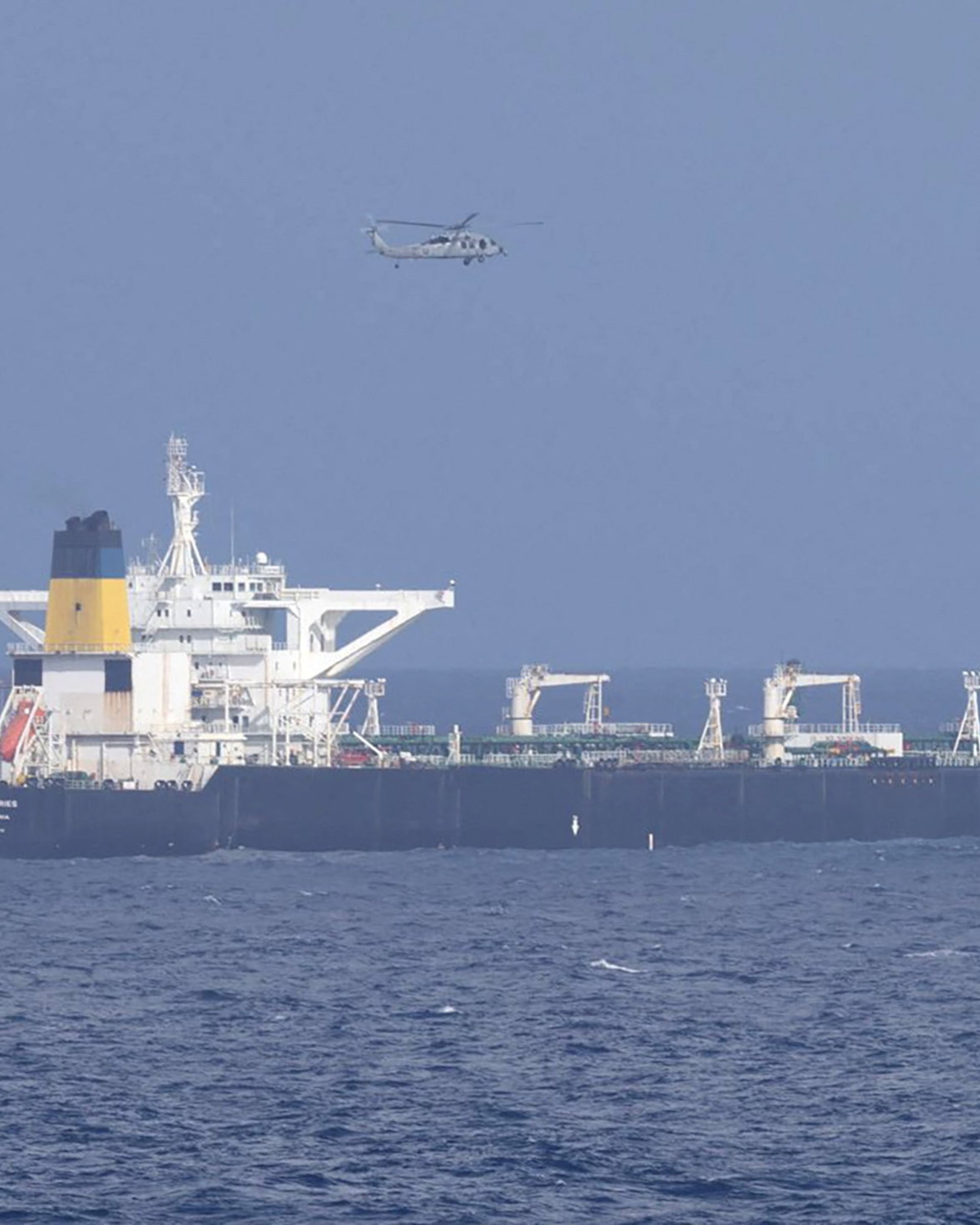
Image for China Calls US Seizure of Ships a Serious Violation of International Law
What"s Next
The interception of the Centuries and the subsequent diplomatic fallout may lead to increased tensions between the United States and China, particularly as both nations navigate their respective interests in Latin America. The situation could escalate further if the U.S. continues to enforce its sanctions and blockades against vessels associated with Venezuela"s oil exports.
As the geopolitical landscape evolves, the implications of this incident may resonate beyond the immediate parties involved, potentially affecting international maritime law and the enforcement of sanctions globally. The ongoing developments warrant close attention as both China and Venezuela seek to assert their rights in the face of U.S. actions.
For more on related coverage, see our article on the security situation in Northern Aleppo.
![[Video] Syrian Government Forces launch MLRS artillery strikes on Aleppo's Kurdish neighborhoods](/_next/image?url=%2Fapi%2Fimage%2Fthumbnails%2Fthumbnail-1766427052881-au0pc5-thumbnail.jpg&w=3840&q=75)
![[Video] Syrian government forces launch MLRS at Kurdish SDF positions near Aleppo](/_next/image?url=%2Fapi%2Fimage%2Fthumbnails%2Fthumbnail-1766427040720-vvzzjw-thumbnail.jpg&w=3840&q=75)