China Develops Working EUV Lithography Machine Prototype, Aims for Chip Production by 2028
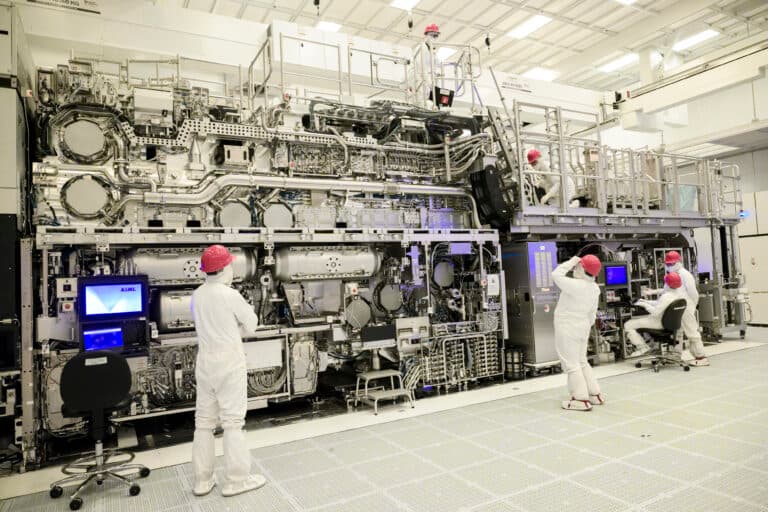
In a groundbreaking development, China has successfully created a working prototype of an extreme ultraviolet (EUV) lithography machine, making it the only country in the world to replicate the advanced technology developed by ASML, a Dutch company. This achievement comes years earlier than industry experts had anticipated.
Key Details
The newly developed EUV lithography machine reportedly occupies nearly an entire factory floor and is operational, successfully generating extreme ultraviolet light. However, it has yet to produce commercially viable chips. China has set an ambitious target to achieve chip production by the year 2028, a timeline that is significantly faster than ASML"s 18-year journey from prototype to commercially available machines.
Security measures surrounding the project are exceptionally stringent. Employees involved in the development work under assumed identities, ensuring that they do not know each other"s real names. They operate within highly secure facilities, where the nature of their work is kept confidential, and no one outside the compound is aware of the project’s existence. Furthermore, employees are organized into isolated teams to protect the confidentiality of their tasks, with members unaware of the work being conducted by other teams.
In a notable deviation from standard Chinese policy, foreign employees have been granted Chinese passports and allowed to maintain dual citizenship, a privilege typically forbidden under Chinese law. This decision appears to be strategic, as some of these employees are former ASML workers, including Lin Nan, the former head of light source technology at ASML. By granting them Chinese citizenship, the Chinese government aims to shield them from potential Western sanctions.
Compensation for employees involved in this project is reportedly lucrative, with salaries described as "uncapped." Signing bonuses for new hires range from 3 million to 5 million yuan (approximately $450,000 to $750,000), in addition to home-purchase subsidies.
Background
The development of this EUV lithography machine is significant not only for China"s technological ambitions but also for the global semiconductor industry. ASML, headquartered in Veldhoven, Netherlands, is currently the only company capable of producing EUV machines, which are crucial for manufacturing advanced microchips. The ability to produce these machines domestically could reduce China"s reliance on foreign technology and enhance its competitiveness in the global market.
The geopolitical implications of this development are profound, particularly for Europe and the United States. The sanctions imposed by Western nations on China have inadvertently spurred the country to accelerate its technological advancements, potentially creating a formidable competitor to ASML.
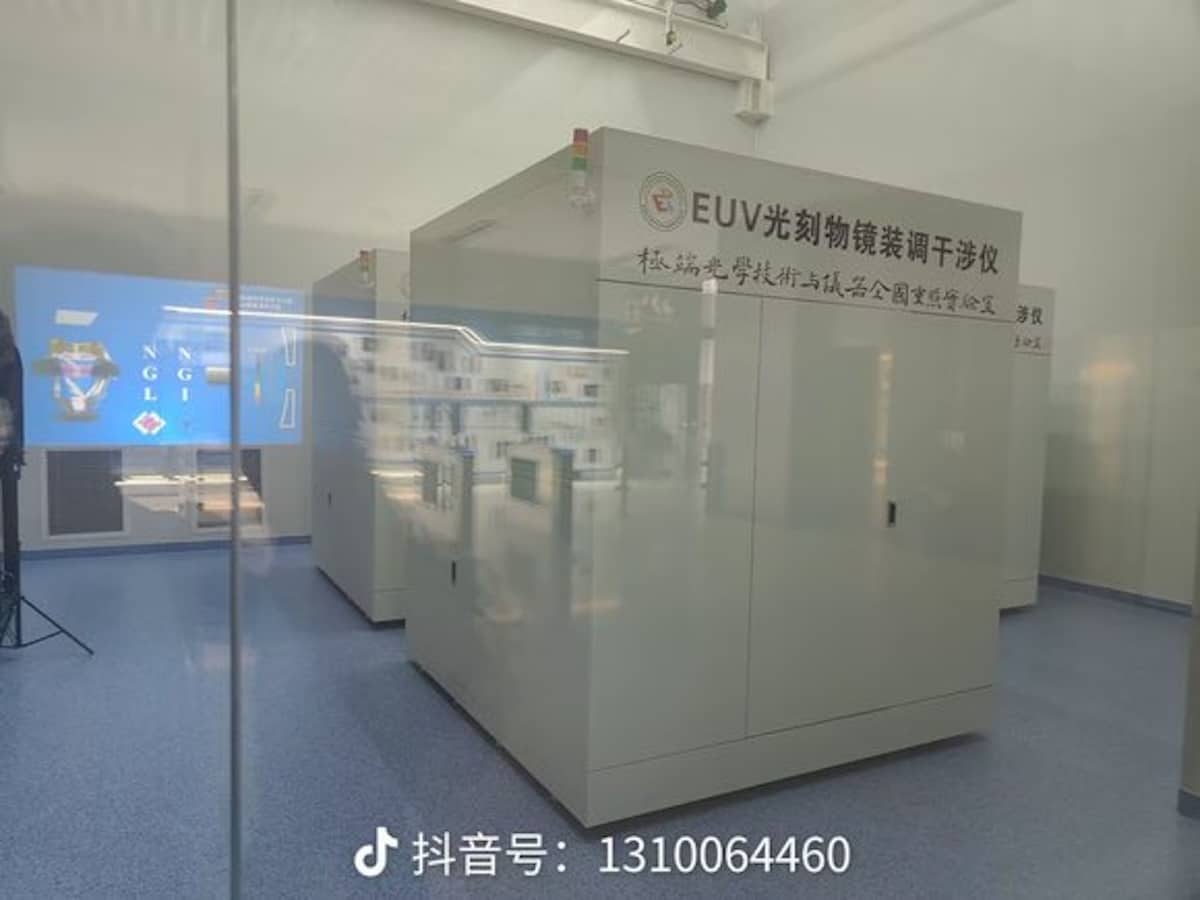
Image for China develops working EUV lithography machine prototype, aims for chip production by 2028
What"s Next
As China aims for chip production by 2028, the implications for the global semiconductor market could be significant. If successful, China’s advancements could disrupt the current landscape, challenging the dominance of established players like ASML and altering the competitive dynamics within the industry. This rapid technological progress raises concerns among Western nations, which may need to reassess their strategies in light of China"s growing capabilities in high-tech manufacturing.
In conclusion, the development of a working EUV lithography machine prototype by China marks a pivotal moment in the global technology race, with potential ramifications for international trade, security, and economic competition.


![[Video] China's Unitree Robotics unveils H2 humanoid robot's boxing skills](/_next/image?url=%2Fapi%2Fimage%2Fthumbnails%2Fthumbnail-1765290121473-srdx7-thumbnail.jpg&w=3840&q=75)
![[Video] RFK Jr. announces restrictions on transgender procedures, calls it malpractice](/_next/image?url=%2Fapi%2Fimage%2Fthumbnails%2Fthumbnail-1766076353014-x75r89-thumbnail.jpg&w=3840&q=75)