China Imposes Sanctions on 20 U.S. Defense Firms Over Taiwan Arms Sale
In a significant escalation of tensions between the United States and China, the People"s Republic of China (PRC) has announced sanctions against 20 U.S. defense companies and 10 individuals. This move comes in direct retaliation to the U.S. government"s recent approval of an $11.1 billion arms sale package to Taiwan, marking the largest such sale in history. The sanctions were officially announced by China"s Foreign Ministry on December 26, 2025.
Key Details
The list of sanctioned entities includes major defense contractors such as Boeing"s St. Louis branch, Northrop Grumman, and executives from Anduril Industries. The sanctions entail freezing the assets of these companies within China and prohibiting any transactions with Chinese entities. This action underscores the growing rift between the two nations, particularly concerning Taiwan, which China considers a breakaway province.
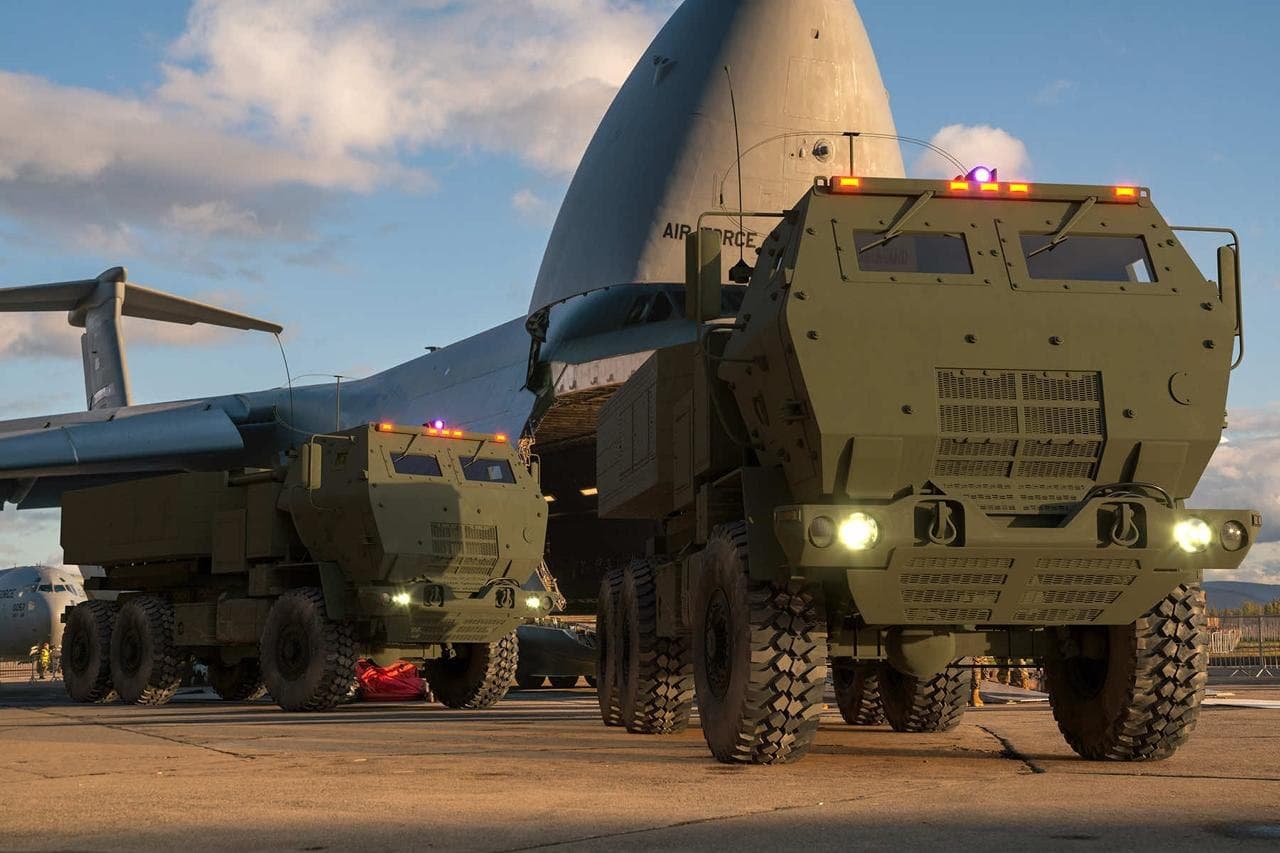
The $11.1 billion arms sale package to Taiwan includes advanced military equipment such as High Mobility Artillery Rocket Systems (HIMARS), howitzers, and various missile systems. This sale is notable not only for its size but also for the strategic implications it holds for U.S.-Taiwan relations and regional security in East Asia. The approval of this arms package has been viewed by China as a provocative act, prompting the swift imposition of sanctions.
Background
The tensions surrounding Taiwan have been a longstanding issue in U.S.-China relations. Taiwan, officially known as the Republic of China (RoC), has maintained a separate government from the People"s Republic of China since the end of the Chinese Civil War in 1949. The U.S. has a policy of strategic ambiguity regarding Taiwan, supporting its defense capabilities while officially recognizing the One China policy. However, recent arms sales have signaled a shift towards a more supportive stance for Taiwan amidst increasing military pressure from China.
China"s sanctions are part of a broader strategy to deter U.S. support for Taiwan and to assert its claims over the island. The sanctions against U.S. defense firms are not unprecedented; similar measures have been taken in the past in response to U.S. arms sales to Taiwan. The Chinese government has consistently warned that such sales would lead to serious consequences, both diplomatically and economically.
What"s Next
The imposition of sanctions against U.S. defense firms is likely to have significant implications for the defense industry and U.S.-China relations moving forward. Companies affected by the sanctions may face challenges in their operations within China, a key market for many defense contractors. Additionally, this development may further strain diplomatic relations between the two nations, complicating efforts to address other global issues such as trade, climate change, and regional security.
As the situation evolves, it will be crucial to monitor how both the U.S. and China respond to these sanctions and whether further retaliatory measures will be enacted. The international community will also be watching closely, as the stability of the Taiwan Strait is vital for regional security and global trade routes.
For more on related developments in international relations, see our coverage on recent developments in North Korea"s military strategy.