China Secures Deal to Refurbish Woleai Airfield in Micronesia
In a significant development that raises concerns about U.S. strategic interests in the Pacific, China has successfully negotiated a deal to refurbish the Woleai airfield in the Federated States of Micronesia (FSM). This airfield is located a mere 450 miles from Guam, a critical U.S. military base in the region. The refurbishment of this facility is viewed as a potential dual-use site, which could complicate U.S. military operations, particularly in the event of a conflict over Taiwan.
Key Details
The Woleai airfield refurbishment deal comes despite the FSM"s Compact of Free Association (CoFA) with the United States, which is intended to provide a framework for U.S. defense and economic assistance in the region. The CoFA agreement has been in place since 1986, granting the U.S. certain strategic advantages, including military access and economic aid. However, the recent developments indicate a failure on the part of U.S. regional commands and legal advisers to enforce the protections afforded by this agreement.
China"s activities at the Woleai airfield are not unprecedented; they are reminiscent of the controversial security pact that China secured with the Solomon Islands in 2022. This earlier agreement raised alarms in Washington and among U.S. allies, as it signaled China"s expanding influence in the Pacific. The refurbishment of Woleai is seen as a continuation of this trend, further eroding the United States" positional advantage in Micronesia.
Experts warn that if the U.S. leadership continues to overlook or inadequately respond to China"s encroachment in the region, it risks undermining years of military investment and strategic planning. The potential consequences of inaction could render billions of dollars spent on U.S. military presence and infrastructure in the Pacific ineffective.
Background
The Federated States of Micronesia is a sovereign nation in free association with the United States, which provides defense and financial assistance in exchange for military access and strategic cooperation. The Compact of Free Association was established to strengthen U.S. influence in the Pacific and counteract the growing presence of other powers, notably China. However, the recent developments at Woleai highlight the challenges the U.S. faces in maintaining its strategic foothold in the region.
China"s increasing military and economic activities in the Pacific have raised concerns among U.S. officials and allies, as they seek to counterbalance Beijing"s influence. The refurbishment of the Woleai airfield is a critical point of concern, as it could serve as a base for Chinese military operations, further complicating U.S. military strategies in the event of a conflict, particularly regarding Taiwan.
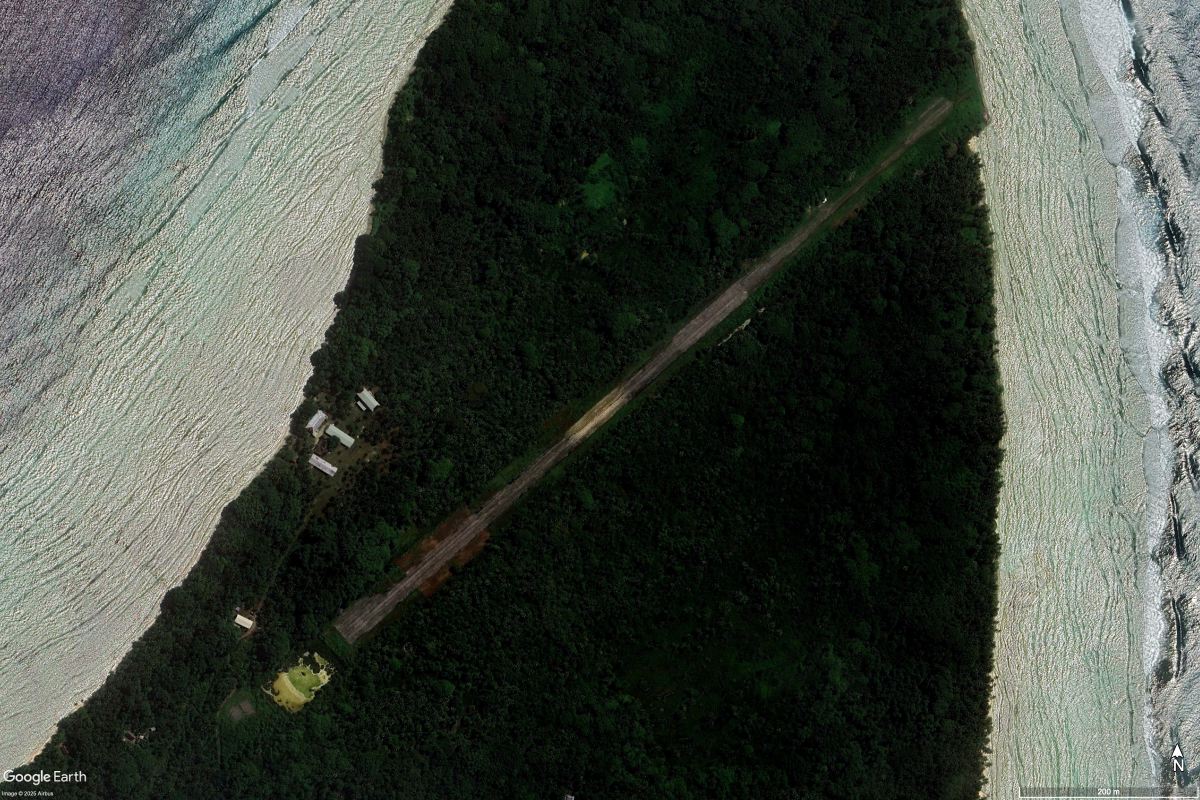
Image for China secures deal to refurbish Woleai airfield in Micronesia
What"s Next
The implications of China"s refurbishment of the Woleai airfield are profound. U.S. policymakers must urgently reassess their strategies in the Pacific to address the growing Chinese influence and ensure that the protections afforded by the Compact of Free Association are effectively enforced. Failure to act could lead to a significant shift in the balance of power in the region, jeopardizing U.S. interests and security commitments to its allies.
As previously reported, the U.S. Navy has faced challenges in modernizing its fleet, with the Government Accountability Office (GAO) noting that Navy ships take between 8 to 19 years from contract to delivery. This delay in naval capabilities could further hinder the U.S. response to emerging threats in the Pacific, including those posed by China"s expanding military presence.
In conclusion, the refurbishment of the Woleai airfield by China serves as a stark reminder of the shifting dynamics in the Pacific and the urgent need for the United States to reinforce its strategic commitments in the region.
![[Video] Poland closes Russia's last consulate in Gdańsk on December 23, 2025](/_next/image?url=%2Fapi%2Fimage%2Fthumbnails%2Fthumbnail-1766523040329-b4a5yj-thumbnail.jpg&w=3840&q=75)
![[Video] Libyan Falcon 50 jet crashes after takeoff from Ankara Esenboğa Airport](/_next/image?url=%2Fapi%2Fimage%2Fthumbnails%2Fthumbnail-1766521876038-lz056s-thumbnail.jpg&w=3840&q=75)