Department of Defense Anticipates Expansion of Chinese Naval Power
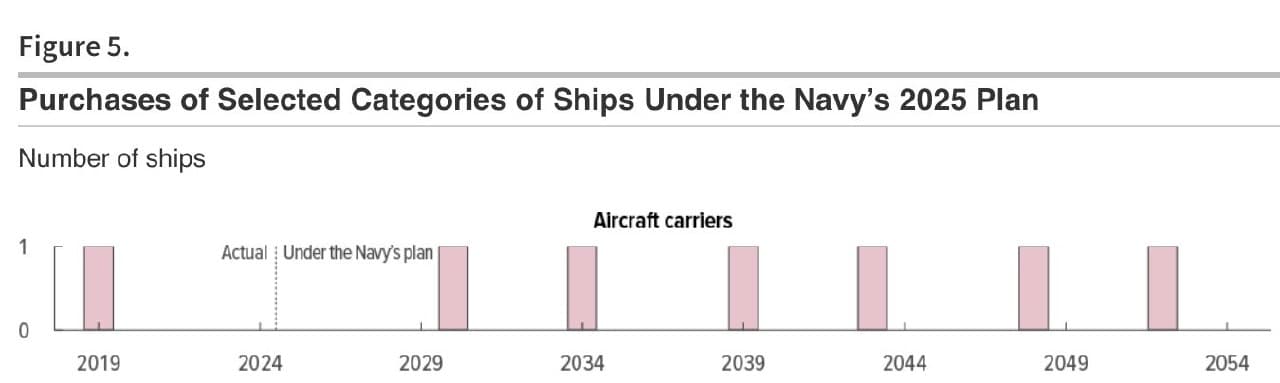
On December 28, 2025, the United States Department of Defense (DoD) released projections indicating that the People"s Liberation Army Navy (PLAN) is expected to launch at least five additional aircraft carriers over the next decade. This anticipated expansion raises significant concerns regarding naval balance in the Pacific region, particularly as the United States Navy (USN) plans to procure its next five carriers over a timeline that is more than twice as long.
Key Details
The DoD"s assessment highlights a notable shift in naval capabilities, as the Chinese military continues to invest heavily in its maritime forces. The expectation of five new carriers by the PLAN underscores China"s commitment to enhancing its naval presence and operational capabilities in the Pacific Ocean. This development is particularly critical given that U.S. aircraft carriers are deployed globally, which may lead to a situation where U.S. carriers are outnumbered in the strategically vital Pacific region.
Despite ongoing discussions within military circles about the potential obsolescence of aircraft carriers—due to advancements in drone technology and the development of anti-ship ballistic missiles (ASBMs)—the Chinese government appears undeterred. China is currently the world’s largest producer of both drones and ASBMs, indicating a robust commitment to modernizing its naval fleet and maintaining a competitive edge in maritime warfare.
Tom Shugart, a noted defense analyst, has been vocal about the implications of these developments, emphasizing that the anticipated growth of the PLAN"s carrier fleet could significantly alter the dynamics of naval power in the region. The U.S. Navy"s current strategy, which involves a slower pace of carrier acquisitions, may need to be reevaluated in light of these projections.
Background
The context surrounding this naval expansion is rooted in the broader geopolitical tensions between the United States and China. As both nations vie for influence in the Asia-Pacific region, military capabilities, particularly naval power, play a crucial role in shaping strategic outcomes. The U.S. Navy has historically relied on its aircraft carriers as a cornerstone of its power projection and deterrence strategy, which may be challenged by the increasing capabilities of the PLAN.
In recent years, the U.S. has faced criticism for its slower pace of military modernization compared to China. The U.S. Navy"s plans to acquire five new carriers over a timeline exceeding ten years reflect a cautious approach to military spending and procurement, which may not align with the rapid advancements being made by the Chinese military.
What"s Next
The implications of the DoD"s projections are significant for U.S. military strategy and regional security. With the potential for the PLAN to outnumber U.S. carriers in the Pacific, the U.S. may need to reassess its naval deployment strategies and consider accelerating its own carrier acquisition program. Additionally, the growing capabilities of the Chinese military could prompt shifts in alliances and partnerships among nations in the region, as countries seek to bolster their own defenses in response to perceived threats.
As the situation develops, it will be crucial for policymakers and military leaders to closely monitor the advancements in naval capabilities on both sides and to engage in strategic dialogues aimed at maintaining stability in the Asia-Pacific region. The ongoing evolution of naval power dynamics will undoubtedly shape the future of international relations and security in this critical area of the world.
For further insights into related developments, see our coverage on recent developments in international relations.



![[Video] Polish President Nawrocki declares readiness to defend border with Germany](/_next/image?url=%2Fapi%2Fimage%2Fthumbnails%2Fthumbnail-1766953861273-5rmxt-thumbnail.jpg&w=3840&q=75)