Emmanuel Macron reveals African leader feared coup after AI video
By Jessica Martinez-Thompson
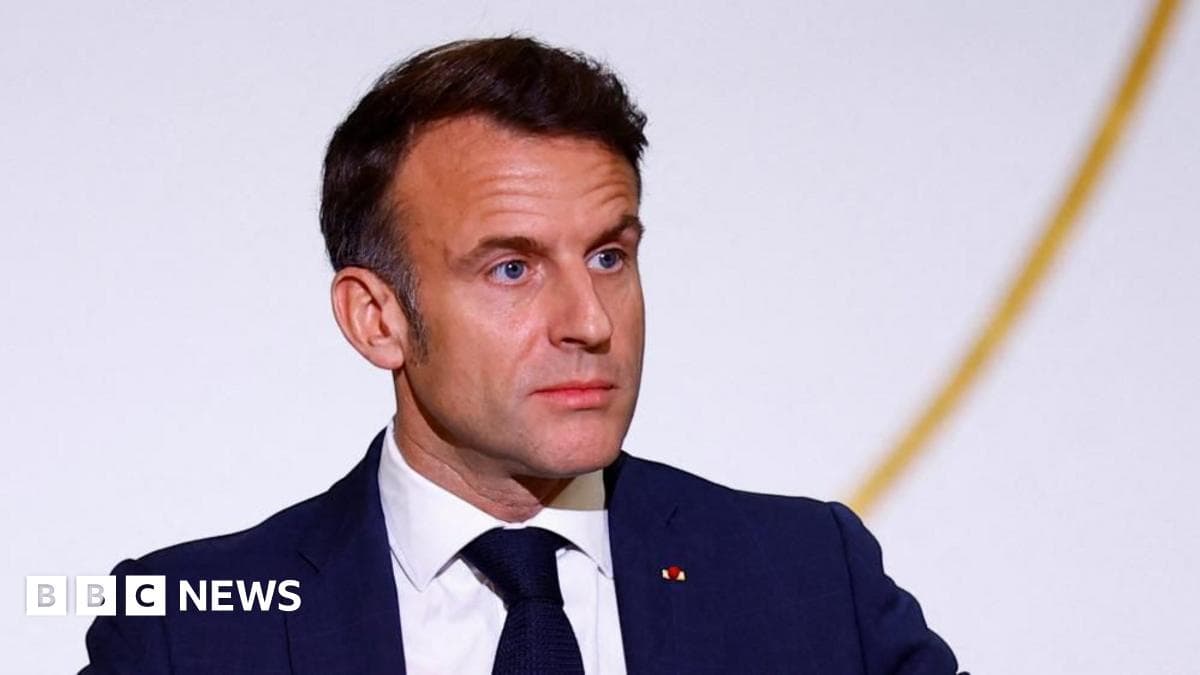
On December 17, 2025, French President Emmanuel Macron disclosed a startling incident involving an African leader who mistakenly believed that France was experiencing a coup d"état. This misunderstanding stemmed from an artificial intelligence-generated video that falsely claimed the Elysée Palace had been overtaken by an armed group led by a colonel.
Key Details
The incident occurred this past Sunday, when the unnamed African leader reached out to President Macron in a state of panic, believing that a military coup was underway in France. The source of this confusion was a video that had gone viral, amassing approximately 12 million views. The video featured a fake reporter who falsely reported that the Elysée Palace, the official residence of the French President, had been seized by an armed faction.
In a statement to the media, Macron emphasized the significant dangers posed by the proliferation of fake news online. He noted that the incident not only caused alarm but also highlighted the potential for misinformation to spread rapidly through digital platforms. Macron remarked humorously on the situation, stating, "It made us laugh! 12 million views!" This comment underscores the absurdity of the situation, despite the serious implications of misinformation in the political landscape.
Following the incident, Macron formally requested that Facebook take down the misleading video to prevent further dissemination of false information. This action reflects a growing concern among world leaders regarding the impact of social media on public perception and international relations.
Background
The rise of artificial intelligence technologies has led to an increase in the creation of deepfake videos and other forms of manipulated media. These advancements have raised alarms among governments and organizations worldwide, as they can be used to spread disinformation and create confusion among the public. The incident involving the African leader serves as a cautionary tale about the potential consequences of unchecked misinformation.
In recent years, the issue of fake news has gained prominence, with various leaders and organizations calling for stricter regulations on social media platforms to combat the spread of false information. The incident involving Macron and the African leader is a stark reminder of the need for vigilance in the digital age, where the lines between reality and fabrication can often blur.
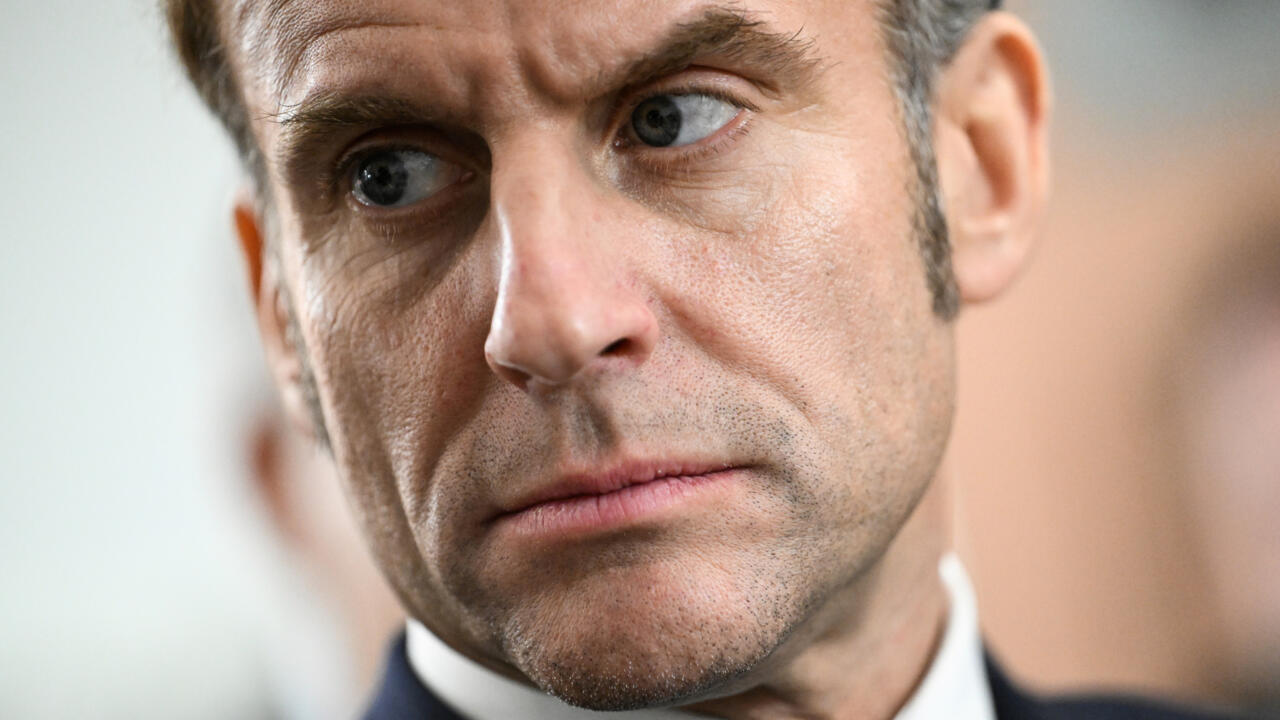
Image for Emmanuel Macron reveals African leader feared coup after AI video
What"s Next
As the global community continues to grapple with the challenges posed by misinformation, it is likely that discussions surrounding the regulation of social media platforms will intensify. President Macron"s call for action against the viral AI-generated video may prompt other leaders to take similar steps in addressing the issue of fake news. The incident also highlights the importance of media literacy among the public, as individuals must be equipped to discern credible information from misleading content.
In conclusion, the recent panic experienced by an African leader over a fabricated coup in France illustrates the far-reaching implications of digital misinformation. As technology continues to evolve, so too must our approaches to ensuring accurate information dissemination in the public sphere.


![[Video] Wikileaks releases trailer for film on Julian Assange, 'The Six Billion Dollar Man'](/_next/image?url=%2Fapi%2Fimage%2Fthumbnails%2Fdefault-1765071657663-thumbnail.jpg&w=3840&q=75)