
As Ukraine faces a critical financial crisis, European Union (EU) countries are urgently developing a contingency plan to provide funding to Kyiv. This comes in light of stalled negotiations regarding the use of frozen Russian state assets to support Ukraine"s war efforts against Russia. The EU is considering a bridging loan to ensure that Ukraine can maintain its operations into early 2026.
Key Details
Officials from various EU member states are exploring an emergency financial plan, referred to as "Plan B," to prevent Ukraine from running out of funds early next year. This initiative arises from the inability to reach a consensus on utilizing approximately €140 billion in frozen Russian assets as part of a reparations loan for Ukraine. The proposal for this reparations loan was initially discussed at a summit held a month ago but faced significant opposition, particularly from Bart De Wever, the Prime Minister of Belgium, where the frozen assets are held.
With peace talks gaining momentum and Ukraine"s financial situation becoming increasingly precarious, the urgency surrounding the frozen Russian assets has intensified. An anonymous EU official remarked, “If we don’t move, others will move before us,” highlighting the competitive nature of international diplomacy in this context.
European officials have suggested that the recent peace initiatives led by former U.S. President Donald Trump could bolster support for the reparations loan plan. Under the proposed framework, the funds would only be repayable to Russia if it were to agree to compensate for war damages in the future.
European Commission President Ursula von der Leyen is expected to instruct her officials to draft a legal text concerning the reparations loan in the coming days. During a session in Strasbourg, von der Leyen stated, “The next step is now that the Commission is ready to present a legal text,” although she did not specify a timeline for its release.
Despite ongoing discussions between Belgian officials and the European Commission, De Wever has expressed concerns regarding potential legal liabilities and the risk of retaliation from Moscow if the frozen Russian funds are utilized for the loan.
One alternative gaining traction among EU diplomats is the establishment of a bridging loan, which would be financed through EU borrowing. This loan would provide immediate financial support to Ukraine during the initial months of 2026, allowing more time to develop a comprehensive reparations loan plan that aligns with Belgium"s legal concerns. According to four officials, this approach would facilitate a longer-term solution to Ukraine"s funding needs.
Furthermore, two diplomats indicated that Ukraine might be required to repay the initial bridging loan to the EU once it receives funding from the long-term reparations loan. Another potential solution could involve a combination of the reparations loan and joint EU borrowing, creating a more sustainable financial framework for Ukraine.
Background
The ongoing conflict in Ukraine, which began with Russia"s invasion in February 2022, has led to significant economic challenges for the Ukrainian government. As the war continues, international support has been crucial for Ukraine"s defense and recovery efforts. The EU has been a primary source of financial and military assistance, but the complexities surrounding the use of frozen Russian assets have complicated these efforts.
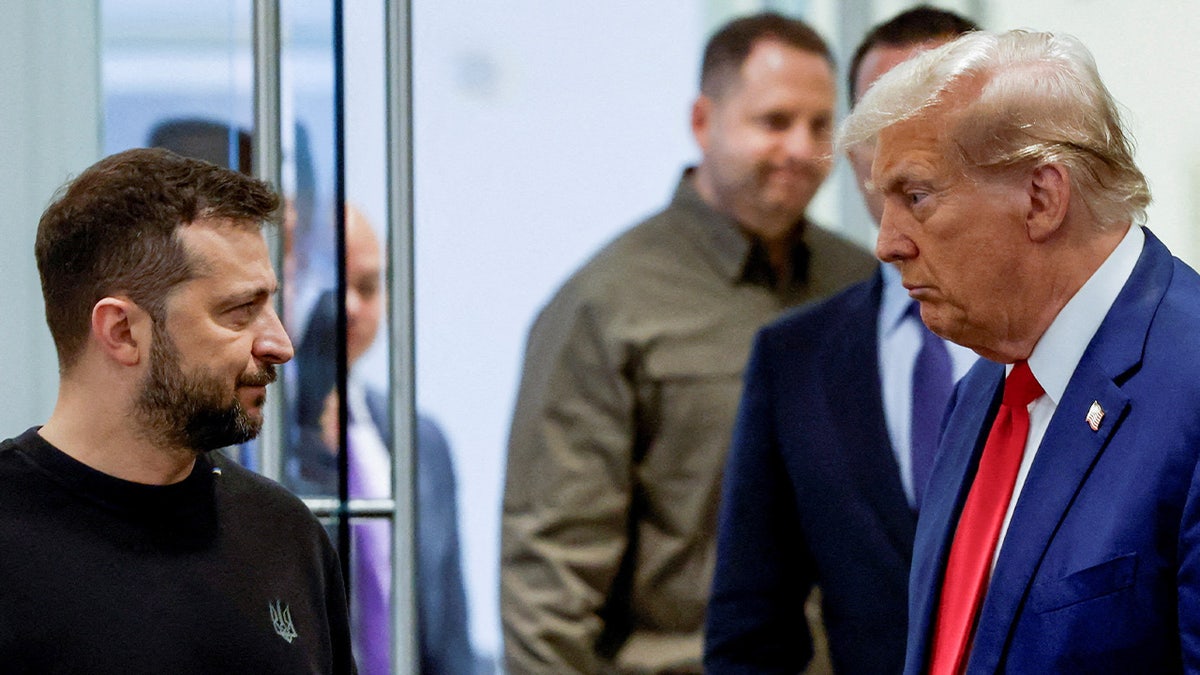
Image for EU countries develop urgent plan B to fund Ukraine amid cash shortages
What"s Next
As the situation evolves, the EU"s ability to implement a viable financial solution for Ukraine will be critical in maintaining its support for the war effort. The proposed bridging loan could serve as a temporary measure while longer-term strategies are developed. The upcoming legal text from the European Commission will be pivotal in determining the feasibility of utilizing frozen Russian assets for reparations, which could reshape the financial landscape for Ukraine in the coming months.
For further insights into related developments, see our coverage on recent developments in military service in France and Hungarian Prime Minister Viktor Orbán"s meeting with Vladimir Putin.


