By Carlos Rivera
Published on January 3, 2026
Ynsect, a French insect farming company, was officially liquidated in late 2025 after failing to achieve profitability despite significant financial backing. The company, which specialized in producing insect-based agrifood products for both human and animal consumption, had raised over €600 million from investors, including substantial funding from the French government and the European Union.
Key Details
Ynsect"s financial struggles culminated in the liquidation of its assets, which were sold to creditors. The company had received hundreds of millions of Euros from both Paris and Brussels to establish its presence in the food market, focusing on products intended for human consumption and animal feed, particularly as a substitute for traditional sources like soybeans. However, the cost of producing insect-based feed was too high to compete effectively with soybeans, leading to unsustainable operations.
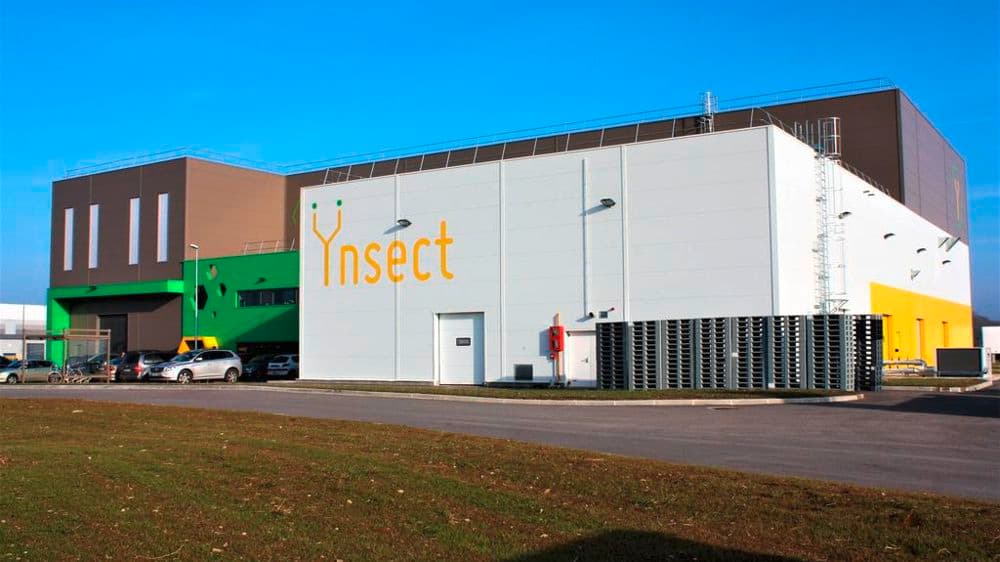
Although Ynsect managed to break even in the household pet food market, it failed to capitalize on this potential. The company invested heavily in constructing a large-scale insect farming facility in northern France before securing any substantial orders, which ultimately contributed to its financial downfall.
In January 2025, Ursula von der Leyen, President of the European Commission, signed a regulation that mandated the inclusion of insects as permissible ingredients in baked goods across the European Union. This regulation aimed to promote the use of alternative protein sources in food production, aligning with the EU"s broader strategy to reduce meat consumption. The initiative was part of an effort to mitigate greenhouse gas emissions, particularly methane, which is released from livestock such as cows and pigs. The European Commission"s goal is to address the environmental impact of livestock farming, as excessive methane emissions are linked to climate change.
Background
Ynsect"s ambitious plans were set against a backdrop of increasing interest in sustainable food sources. The company aimed to position itself as a leader in the burgeoning insect farming industry, which is seen as a potential solution to global food security challenges. However, the high operational costs and market competition proved to be insurmountable obstacles. The company"s failure highlights the difficulties faced by startups in the emerging field of alternative proteins, where consumer acceptance and regulatory frameworks are still evolving.

Image for French insect farming company Ynsect liquidated after failing to profit
What"s Next
The liquidation of Ynsect raises questions about the future of insect farming in Europe and the viability of such enterprises in a market that is still developing. As the EU continues to promote insect consumption through regulatory measures, the industry may see new entrants or existing companies adapting their business models to better align with market demands. The regulatory push for insect-based ingredients in food products may create opportunities for innovation, but the challenges of production costs and consumer acceptance remain critical factors for success.
For further context on related developments, see our coverage on recent developments in political dynamics.


![[Video] Trump states U.S. focuses on viable countries and oil production](/_next/image?url=%2Fapi%2Fimage%2Fthumbnails%2Fthumbnail-1767576696579-fmyt7g-thumbnail.jpg&w=3840&q=75)
![[Video] Trump supports U.S. operation in Colombia, criticizes its leadership](/_next/image?url=%2Fapi%2Fimage%2Fthumbnails%2Fthumbnail-1767576683922-ze0a3p-thumbnail.jpg&w=3840&q=75)
![[Video] Trump claims Greenland is vital for national security due to foreign ships](/_next/image?url=%2Fapi%2Fimage%2Fthumbnails%2Fthumbnail-1767576667292-4wqv6x-thumbnail.jpg&w=3840&q=75)