Gen Z Conservative Voices Support for Strong Executive Leadership
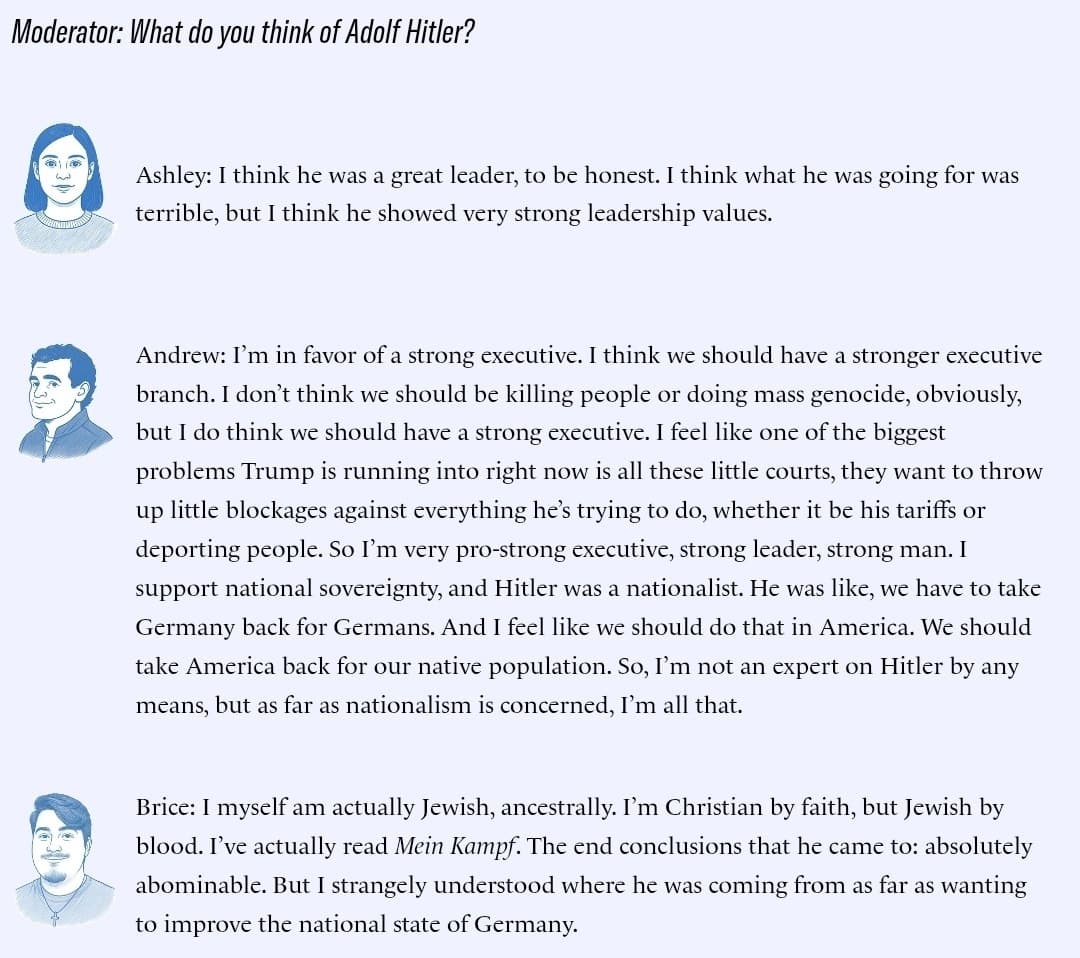
In a recent focus group conducted by City Journal, a participant identified as Andrew expressed his views on the concept of strong executive leadership, drawing controversial parallels to historical figures, including Adolf Hitler. The discussion, which aimed to explore the perspectives of Gen Z conservatives, highlighted a growing sentiment among some young Republicans regarding national sovereignty and executive power.
Key Details
Andrew, a participant in the focus group, articulated his support for a robust executive branch, stating, “I think we should have a stronger executive branch.” He emphasized that while he does not condone violence or genocide, he believes in the necessity of a strong leader to navigate the complexities of governance. He specifically referenced the challenges faced by former President Donald Trump, claiming that various judicial decisions have created obstacles to his policy initiatives, such as tariffs and immigration enforcement. Andrew further elaborated on his views regarding nationalism, stating, “Hitler was a nationalist. He was like, we have to take Germany back for Germans.” He expressed a desire for a similar approach in the United States, advocating for policies that prioritize the interests of the native population. While he acknowledged that he is not an expert on Hitler, he indicated that he aligns with certain aspects of nationalism. The focus group, which was part of a broader examination of Gen Z"s political beliefs, underscores a notable trend among younger conservatives who are increasingly vocal about their support for strong leadership and nationalistic policies. This discussion reflects a shift in the political landscape, where traditional conservative values are being reinterpreted through the lens of a younger generation.
Background
The focus group was organized by City Journal, a publication associated with the Manhattan Institute, which often explores urban policy and cultural issues. The insights gathered from this group are part of a larger effort to understand the evolving political ideologies of younger voters, particularly those who identify as conservatives. As the political climate in the United States continues to evolve, the perspectives of Gen Z conservatives may play a significant role in shaping future electoral outcomes. Nationalism has been a contentious topic in American politics, particularly in the context of immigration and economic policy. The notion of prioritizing the interests of native populations over those of immigrants has gained traction among certain factions of the Republican Party, echoing sentiments expressed by leaders in various countries advocating for similar policies.
What"s Next
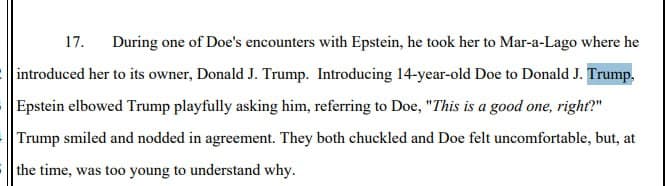
As the political landscape continues to shift, the views expressed by Gen Z conservatives like Andrew may influence broader discussions within the Republican Party. The emphasis on strong executive leadership and nationalism could lead to a reevaluation of party platforms and strategies as the 2024 presidential election approaches. In related coverage, recent developments in the political arena, such as the
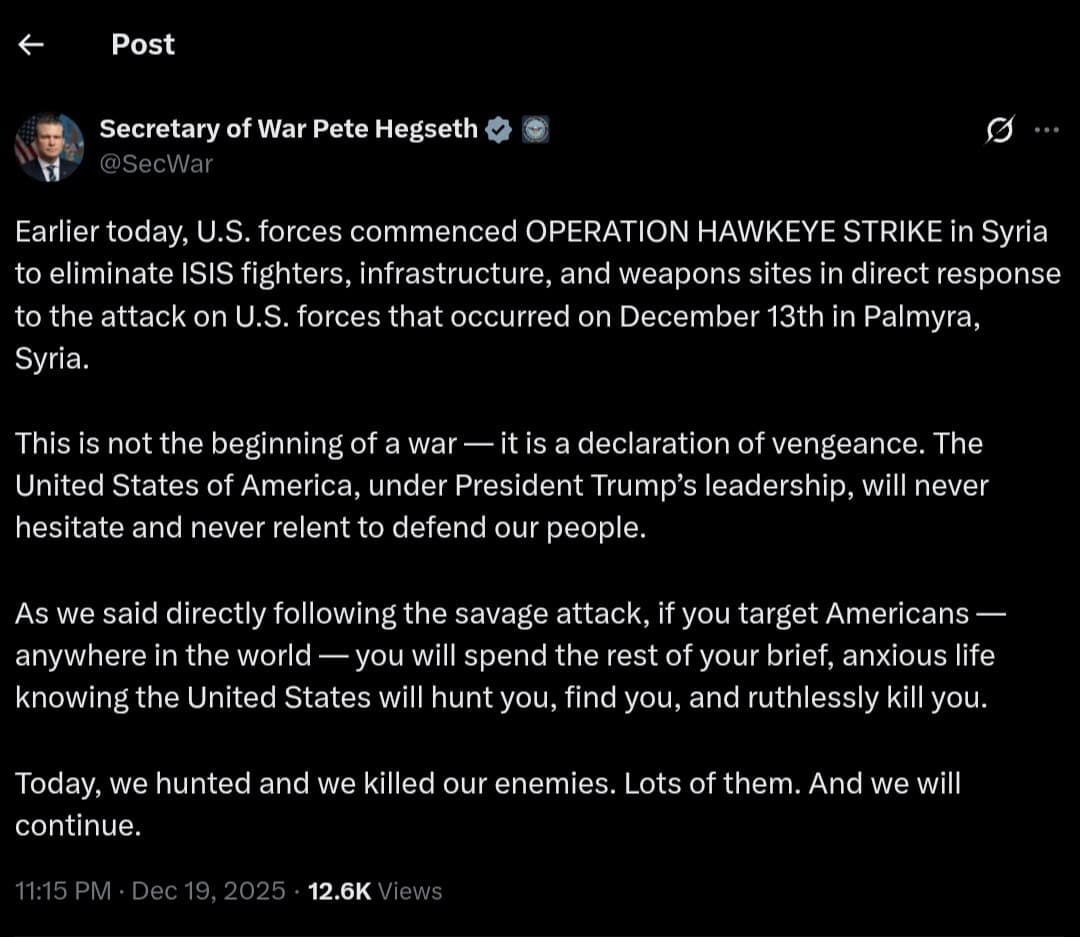
partial release of Epstein files by the Trump DOJ, highlight the ongoing complexities surrounding executive power and accountability. Additionally, the Pentagon"s failure to pass its annual audit for the eighth consecutive year raises questions about government efficiency and oversight, further fueling debates on the role of strong leadership in addressing systemic issues. As discussions around nationalism and executive power gain prominence, the perspectives of younger conservatives will likely remain a focal point in understanding the future of American politics.


![[Video] Syrian President Ahmed al-Sharaa announces lifting of sanctions on Syria](/_next/image?url=%2Fapi%2Fimage%2Fthumbnails%2Fthumbnail-1766179282923-tl68ah-thumbnail.jpg&w=3840&q=75)