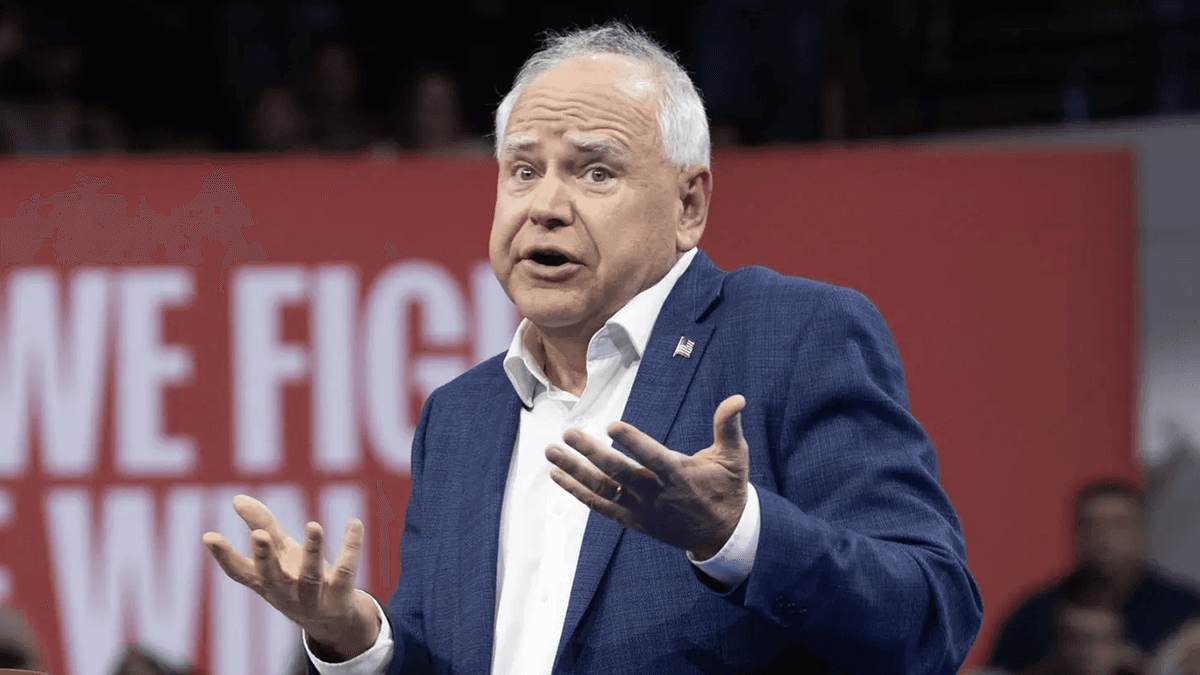
Governor Tim Walz Will Not Seek Re-Election in Minnesota
In a significant political development, Minnesota Governor Tim Walz announced on January 5, 2026, that he will not seek re-election. This decision comes amid ongoing criticism from Republican opponents regarding his administration"s handling of fraud within the state"s social safety net programs. Walz has stated that his government is actively implementing measures to prevent future instances of fraud.
Key Details
Governor Tim Walz, a member of the Democratic Party, has faced mounting scrutiny over allegations of fraud related to various social safety net programs in Minnesota. Critics, including former President Donald Trump, have been vocal about their discontent with Walz"s management of these issues. Trump"s administration notably froze federal funds allocated for childcare in Minnesota, further intensifying the political pressure on Walz.
With Walz"s announcement to step aside, the Democratic Party faces uncertainty regarding its candidate for the upcoming gubernatorial election. Since 2006, the Democrats have maintained a stronghold on all statewide offices in Minnesota, making this election particularly crucial for the party"s continued dominance in the state.
In contrast, the Republican Party has seen a surge of interest in the gubernatorial race, with approximately a dozen candidates already entering the fray. Among these candidates is Mike Lindell, the founder and CEO of MyPillow, who is known for his close ties to Trump. Additionally, Minnesota House Speaker Lisa Demuth is also among the Republican contenders, indicating a competitive primary season ahead.
Background
Tim Walz, who has served as Minnesota"s governor since January 2019, has focused on various issues during his tenure, including healthcare, education, and public safety. His administration"s approach to social safety net programs has come under fire, particularly in light of allegations of fraud that have surfaced in recent years. In response to these challenges, Walz has emphasized his commitment to reform and prevention strategies aimed at safeguarding state resources.
The political landscape in Minnesota has been characterized by a strong Democratic presence, with the party winning every statewide office since 2006. This trend has positioned the Democrats favorably in the eyes of voters, but the upcoming election may test their resilience in the face of a motivated Republican opposition.
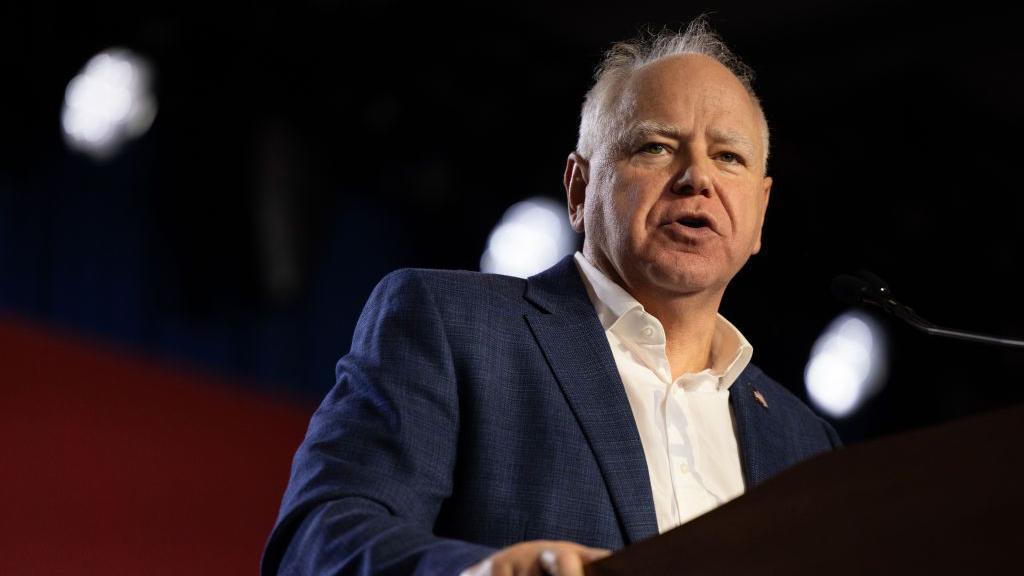
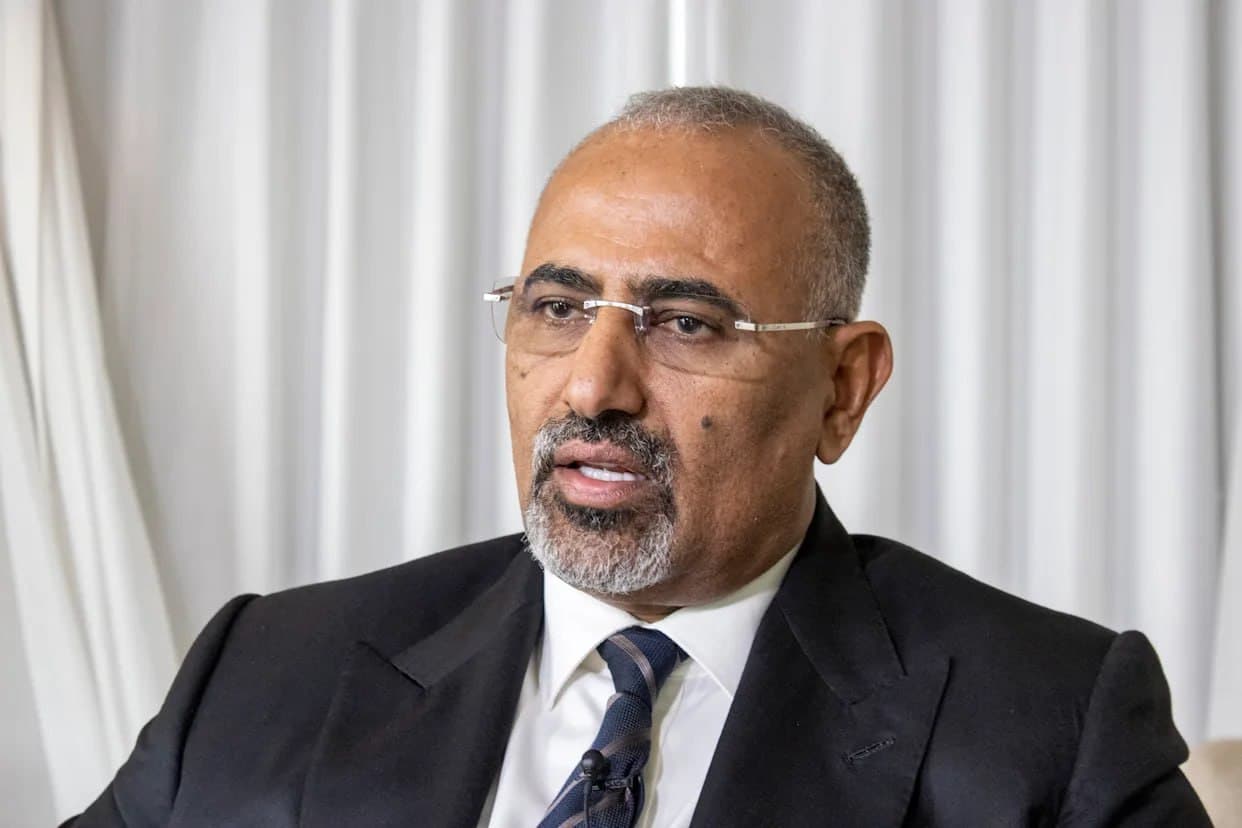
Image for Governor Tim Walz will not seek re-election in Minnesota
What"s Next
As the political landscape shifts with Walz"s decision not to run, both parties will need to prepare for a highly competitive election cycle. The Democratic Party must quickly identify a candidate who can rally support and maintain the party"s longstanding success in statewide elections. Meanwhile, the Republican Party is poised to capitalize on the opportunity presented by Walz"s exit, with multiple candidates vying for the chance to challenge the Democratic nominee.
The implications of this election extend beyond Minnesota, as it could serve as a bellwether for national political trends and voter sentiment heading into the 2026 elections. As previously reported, the dynamics of state governance and party control will be closely watched in the coming months.
For more related coverage on political developments, see our article on recent developments involving other political figures.

![[Video] Anti-regime protests continue in over 100 cities across Iran](/_next/image?url=%2Fapi%2Fimage%2Fthumbnails%2Fthumbnail-1767778241482-69wx0n-thumbnail.jpg&w=3840&q=75)