Indonesia"s New Criminal Code Enforces Ban on Extramarital Sex
Indonesia has officially implemented a revised criminal code that includes a significant provision criminalizing sexual relations outside of marriage. This new law, which went into effect recently, imposes penalties of up to one year in prison for individuals found guilty of engaging in extramarital sexual activities. The enforcement of this law extends nationwide, affecting not only Indonesian citizens but also foreign visitors, particularly in popular tourist destinations such as Bali.
Key Details
The revised criminal code is part of a broader legal reform in Indonesia aimed at aligning the country"s laws with its cultural and religious values. The specific provision banning extramarital sex is particularly notable given Indonesia"s status as the world"s largest Muslim-majority nation, where traditional values hold significant sway in societal norms.
Under this new law, individuals found guilty of engaging in sexual relations outside of marriage could face imprisonment for a duration of up to one year. This provision applies to all individuals within the country, including tourists who may be visiting Indonesia for leisure or business purposes. Bali, known for its vibrant tourism industry, is likely to be a focal point for the enforcement of this law, raising concerns among international travelers about potential legal repercussions during their stay.
Despite the stringent nature of the law, officials have indicated that its enforcement will primarily be complaint-based. This means that legal action against individuals accused of extramarital sex will require reports to be filed by spouses, parents, or children of the accused. As a result, widespread application of the law to tourists is considered unlikely, according to statements made by government officials. This enforcement mechanism suggests that while the law exists, its practical implications may be limited by the necessity of familial complaints.
Background
The introduction of this criminal code is part of a series of legal reforms in Indonesia that have drawn both domestic and international attention. The country has been increasingly scrutinized for its approach to personal freedoms and human rights, particularly in relation to laws that govern moral conduct. The ban on extramarital sex aligns with similar legal frameworks in other conservative societies but raises questions about its impact on tourism and foreign relations.
In recent years, Indonesia has seen a push towards more conservative legislation, reflecting a growing influence of Islamist groups within the political landscape. This trend has sparked debates about the balance between maintaining cultural values and upholding individual rights, particularly in a country that relies heavily on tourism for economic growth.
What"s Next
The implementation of this law is likely to have significant implications for both local citizens and international visitors. As the Indonesian government begins to enforce this provision, it will be crucial to monitor how it affects tourism, particularly in regions like Bali that attract millions of visitors each year. The reliance on complaint-based enforcement may mitigate some immediate concerns for tourists, but the potential for legal repercussions remains a point of contention.
As Indonesia navigates the complexities of enforcing this new law, it will also need to consider the broader implications for its international image and relations, especially with countries that prioritize personal freedoms. Observers will be watching closely to see how this law is applied in practice and whether it leads to increased tensions between traditional values and modern societal norms.
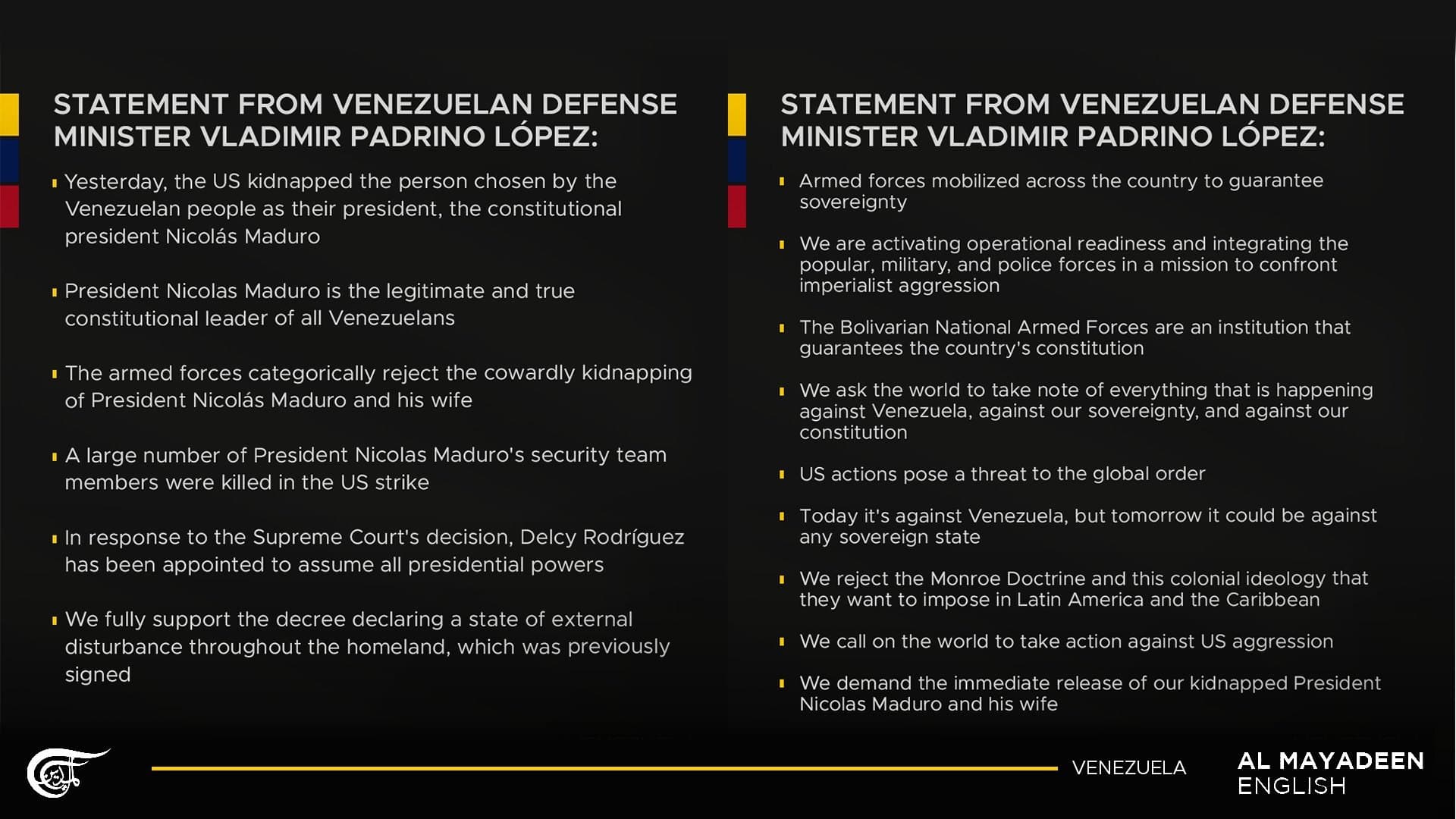
For further insights into global political developments, including recent changes in leadership and governance, see our coverage on recent developments in Venezuela.

![[Video] Trump cites national security in discussing Greenland's importance](/_next/image?url=%2Fapi%2Fimage%2Fthumbnails%2Fthumbnail-1767581442077-atq0gv-thumbnail.jpg&w=3840&q=75)
![[Video] Trump: Rare-earth minerals are everywhere, processing is what's rare](/_next/image?url=%2Fapi%2Fimage%2Fthumbnails%2Fthumbnail-1767580256558-kaklcg-thumbnail.jpg&w=3840&q=75)