Israel, Greece, and Cyprus Discuss Rapid-Response Force to Deter Turkey
In a strategic move aimed at countering Turkey"s military activities in the eastern Mediterranean, senior officials from Israel, Greece, and Cyprus are in discussions to establish a rapid-response force. This initiative is part of a broader effort to enhance military cooperation among the three nations as tensions in the region escalate. The discussions were reported by The Jerusalem Post, citing three sources familiar with the matter.Key Details
The proposed rapid-response force would consist of military units from the armed forces of Israel, Greece, and Cyprus. This force is not intended to be a permanent standing unit; rather, it would be designed for quick deployment in times of crisis across various domains, including land, sea, and air operations. The formation of this force reflects a significant step towards strengthening strategic military collaboration among the three countries, which have shared concerns regarding Turkey"s assertive military posture in the region. Turkey has been actively pursuing military and strategic objectives that have raised alarms among its neighbors. Specifically, Ankara aims to exert influence over Syria, with intentions to transform the country into a Turkish satellite state. This includes the deployment of advanced air-defense systems within Syrian territory, which are aimed at intercepting aircraft and missiles. Such developments have heightened regional tensions and prompted Israel, Greece, and Cyprus to consider collective security measures.
Image for Israel, Greece, and Cyprus discuss rapid-response force to deter Turkey
Background
The eastern Mediterranean has become a focal point of geopolitical rivalry, particularly involving Turkey and its neighbors. Turkey"s military operations and strategic ambitions have led to increased military readiness among countries in the region. Israel, Greece, and Cyprus have previously engaged in joint military exercises and have sought to enhance their defense cooperation in response to perceived threats from Turkey. The discussions regarding the rapid-response force come at a time when the dynamics in the region are shifting. The potential for conflict remains high, particularly with Turkey"s ongoing military engagements in Syria and its assertive stance in the Mediterranean. The collaboration among Israel, Greece, and Cyprus is seen as a necessary step to deter any aggressive actions that may arise from Turkey"s military strategies.What"s Next
The establishment of a rapid-response force could significantly alter the security landscape in the eastern Mediterranean. If realized, this initiative would not only enhance the military capabilities of Israel, Greece, and Cyprus but also serve as a deterrent against potential Turkish aggression. The discussions are ongoing, and the specifics of the force"s structure, deployment protocols, and operational readiness are yet to be finalized. As regional tensions continue to rise, the collaboration among these three nations may pave the way for a more coordinated defense strategy in the face of external threats. The implications of this initiative extend beyond military cooperation, potentially influencing diplomatic relations and security arrangements in the broader Mediterranean region. In light of recent developments, it is essential to monitor the evolving situation, particularly Turkey"s military actions in Syria. For further insights into the ongoing conflict, see recent developments in Syria and the Syrian state"s commitment to territorial unity.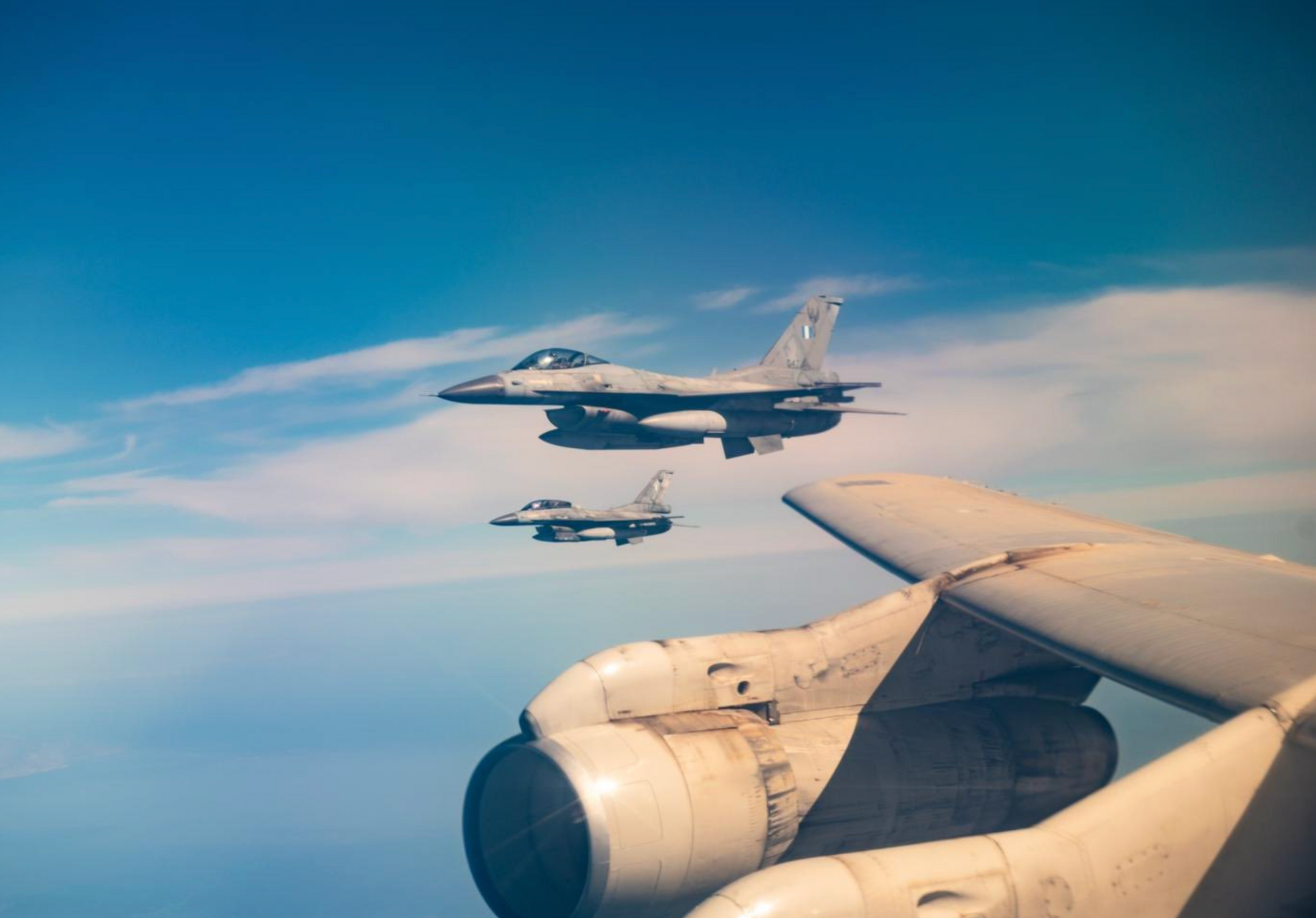
Image for Israel, Greece, and Cyprus discuss rapid-response force to deter Turkey