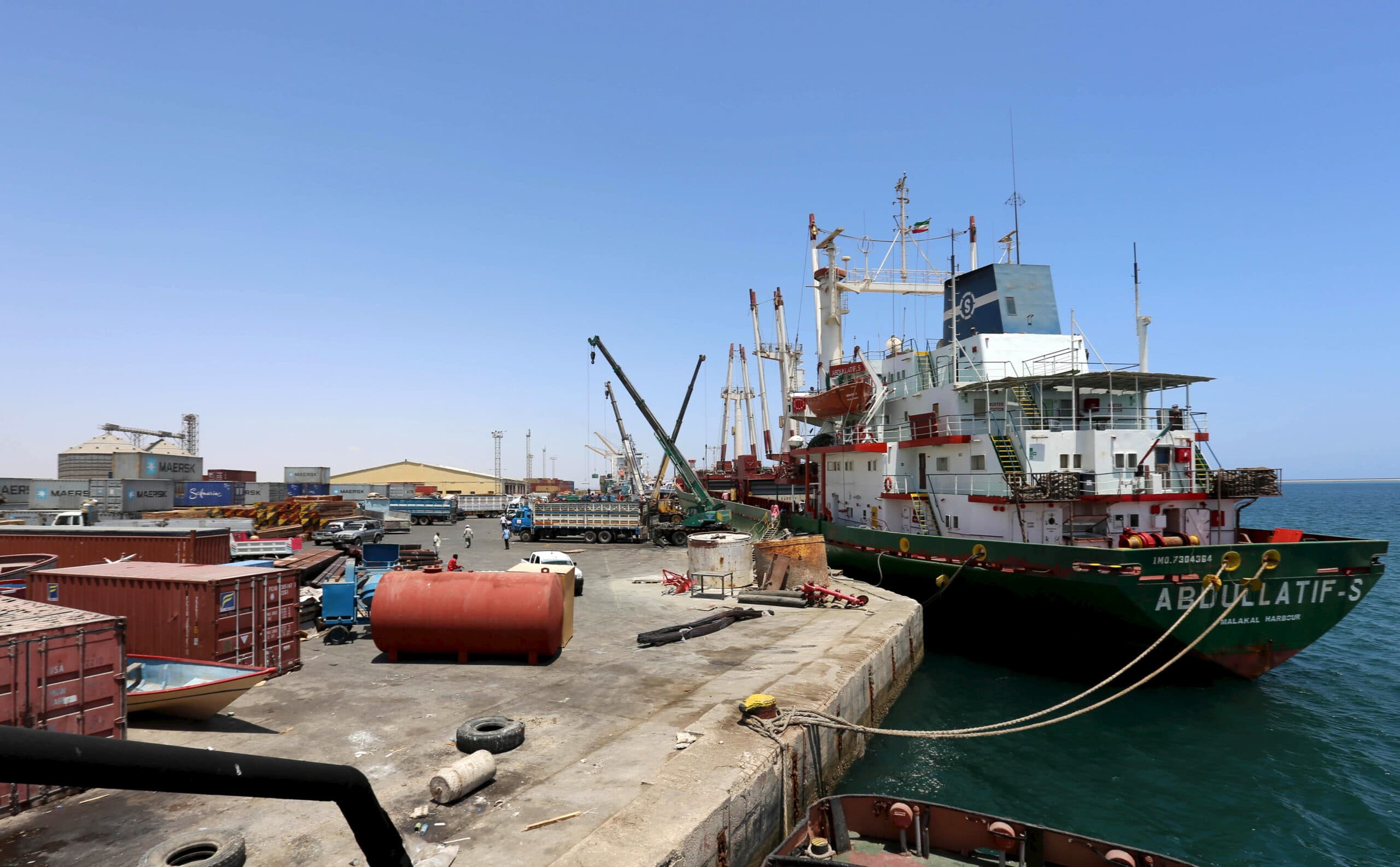
In a significant geopolitical development, Israel has officially recognized Somaliland, a self-declared republic that is internationally considered part of Somalia. This recognition has drawn global attention to the Bab el-Mandeb Strait, a crucial maritime chokepoint at the southern exit of the Red Sea. The situation has been further complicated by the intensifying rivalry between Saudi Arabia and the United Arab Emirates (UAE), particularly as both nations engage in proxy conflicts in Yemen, transforming the region into a battleground for regional and global influence.
Key Details
The recognition of Somaliland by Israel marks a pivotal moment in the Horn of Africa"s political landscape. Somaliland, which declared independence from Somalia in 1991, has sought international recognition but has faced significant challenges in achieving it. The UAE"s involvement in this recognition is notable, as it has been actively expanding its influence across the Horn of Africa while simultaneously challenging Saudi Arabia"s traditional dominance in the region.
The UAE, with a total population of approximately 11 million, has a relatively small number of native Emirati citizens, estimated between 1.2 to 1.4 million. The UAE"s military force comprises around 63,000 to 65,000 personnel. Despite these demographic and military constraints, the UAE has established military bases on various strategic islands, ports, and coastal locations throughout the Red Sea, raising questions about the purpose and sustainability of these installations.
These bases appear to exceed the UAE"s immediate national defense needs, prompting speculation about their broader strategic objectives. Analysts are questioning whether these facilities serve as forward operating bases for larger allied powers or if they are designed to be modular assets that could be transferred to countries with larger populations but limited access to the Red Sea. Additionally, there is a possibility that these bases function as geopolitical currency, allowing the UAE to negotiate territory and access in exchange for influence and strategic partnerships beyond its immediate geographic size.
Background
The Bab el-Mandeb Strait is a vital waterway connecting the Red Sea to the Gulf of Aden and is crucial for international shipping routes. The ongoing conflict in Yemen, where the UAE and Saudi Arabia have been involved in a protracted war against Houthi rebels, has further complicated the geopolitical landscape of the region. The UAE"s support for various factions in Yemen and its strategic partnerships in the Horn of Africa, including backing the Rapid Support Forces (RSF) in Sudan and engaging with federal member states in Somalia, illustrate its multifaceted approach to regional dominance.
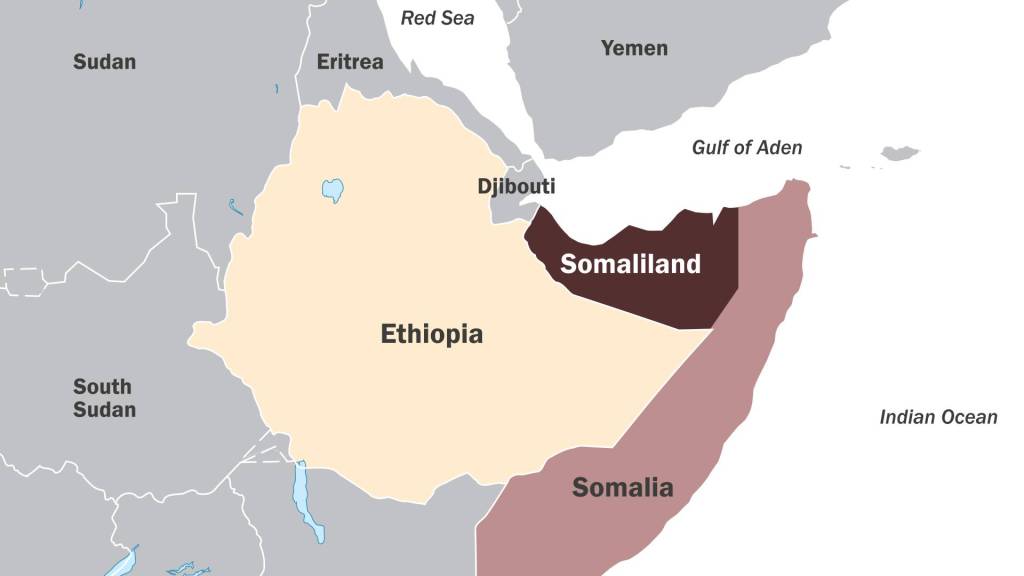
Image for Israel recognizes Somaliland, shifting focus to Red Sea region
What"s Next
The implications of Israel"s recognition of Somaliland and the UAE"s expanding military presence in the Red Sea are profound. As the power dynamics in the Horn of Africa and the Bab el-Mandeb Strait evolve, understanding the UAE"s strategic intentions will be crucial for regional stability and international relations. The situation underscores the shifting alliances and rivalries that characterize the geopolitical landscape of East Africa and the Middle East.
For further insights into related developments, see recent developments in Saudi Arabia"s foreign relations.
![[Video] Germany to accept responsibility for Ukraine's security, says Chancellor Merz](/_next/image?url=%2Fapi%2Fimage%2Fthumbnails%2Fthumbnail-1767732646788-32rvaa-thumbnail.jpg&w=3840&q=75)
![[Video] Macron: Russia has broken peace agreements in Moldova, Georgia, and Ukraine](/_next/image?url=%2Fapi%2Fimage%2Fthumbnails%2Fthumbnail-1767728468887-d79e9f-thumbnail.jpg&w=3840&q=75)

![[Video] Steve Witkoff announces progress on prosperity agreement for Ukraine](/_next/image?url=%2Fapi%2Fimage%2Fthumbnails%2Fthumbnail-1767729058606-u35avl-thumbnail.jpg&w=3840&q=75)
![[Video] Bus drives into crowd at protest in Jerusalem, one dead and multiple injured](/_next/image?url=%2Fapi%2Fimage%2Fthumbnails%2Fthumbnail-1767729039682-udoi5v-thumbnail.jpg&w=3840&q=75)