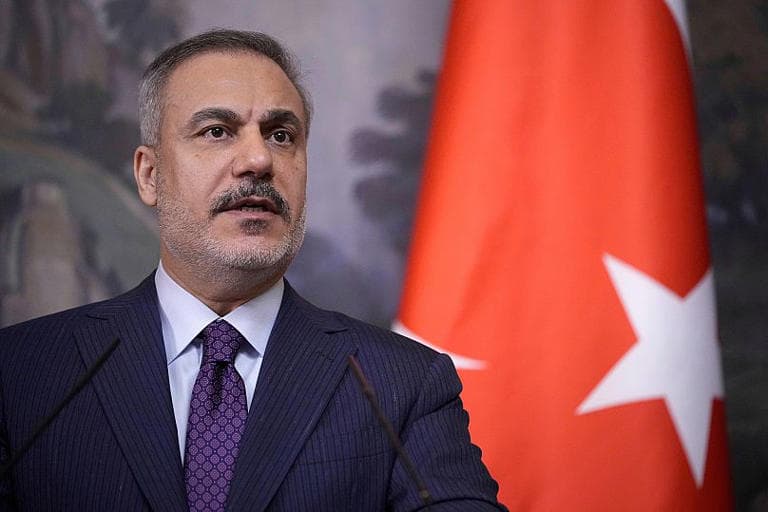
On Monday, December 22, 2025, Turkish Foreign Minister Hakan Fidan made a significant statement regarding the operations of the Kurdish-led Syrian Democratic Forces (SDF) in Syria. Fidan claimed that the SDF is conducting operations "in coordination with Israel," a revelation that he described as a "major obstacle" to ongoing negotiations between the SDF and the Syrian government in Damascus.
Key Details
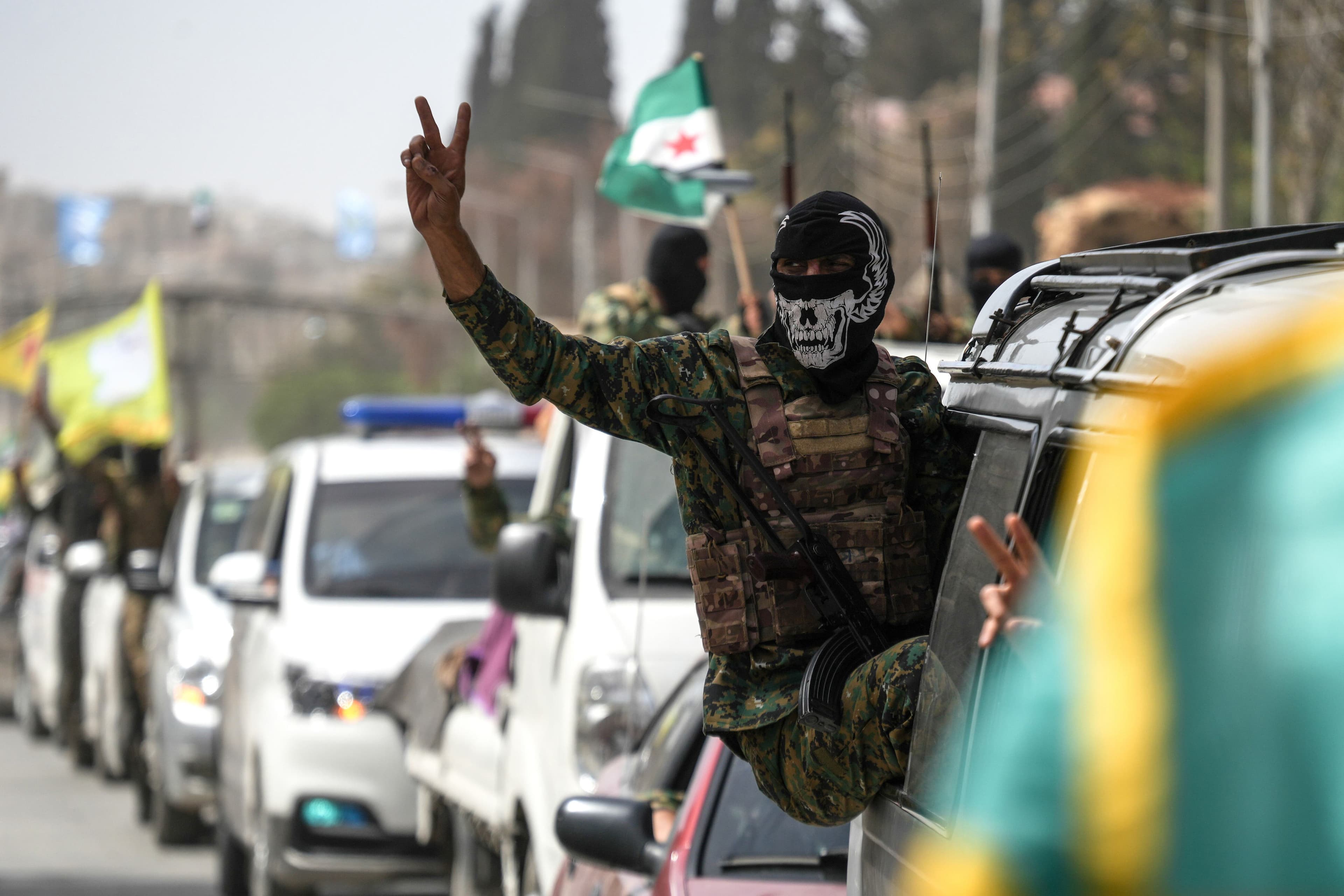
Hakan Fidan"s remarks highlight the complex geopolitical landscape in Syria, where the SDF, which is backed by the United States, controls large areas of northeastern Syria. The SDF has been a crucial player in the fight against the Islamic State (ISIS) but is viewed by Turkey as a terrorist organization due to its links to the Kurdistan Workers" Party (PKK), which has waged a decades-long insurgency against the Turkish state.
Fidan"s comments come in the context of a visit by Turkey"s foreign and defense ministers, along with the head of its intelligence agency. This visit is part of a broader diplomatic effort involving Syrian, Kurdish, and U.S. officials aimed at negotiating a resolution to the ongoing conflict. However, Turkey has accused the SDF of stalling negotiations ahead of a year-end deadline, which has raised tensions in the region.
In a previous statement, Fidan expressed Turkey"s desire to avoid military action against the SDF but warned that the Turkish government’s patience was "running out." This statement underscores Turkey"s readiness to take military action if the SDF does not comply with the terms of the agreement they are negotiating.
Background
The Syrian Democratic Forces (SDF) emerged as a dominant military force in northeastern Syria during the Syrian Civil War, particularly noted for their role in combating ISIS. The SDF is primarily composed of Kurdish fighters but also includes Arab and other ethnic groups. The group has received substantial support from the United States, which has provided military assistance and training. This support has been a point of contention for Turkey, which views the SDF as an extension of the PKK, a group it has designated as a terrorist organization.
Turkey"s concerns are compounded by the ongoing instability in Syria, where various factions, including the Syrian government, Kurdish forces, and other rebel groups, continue to vie for control. The situation is further complicated by the involvement of international players, including the United States and Russia, each with their own strategic interests in the region.
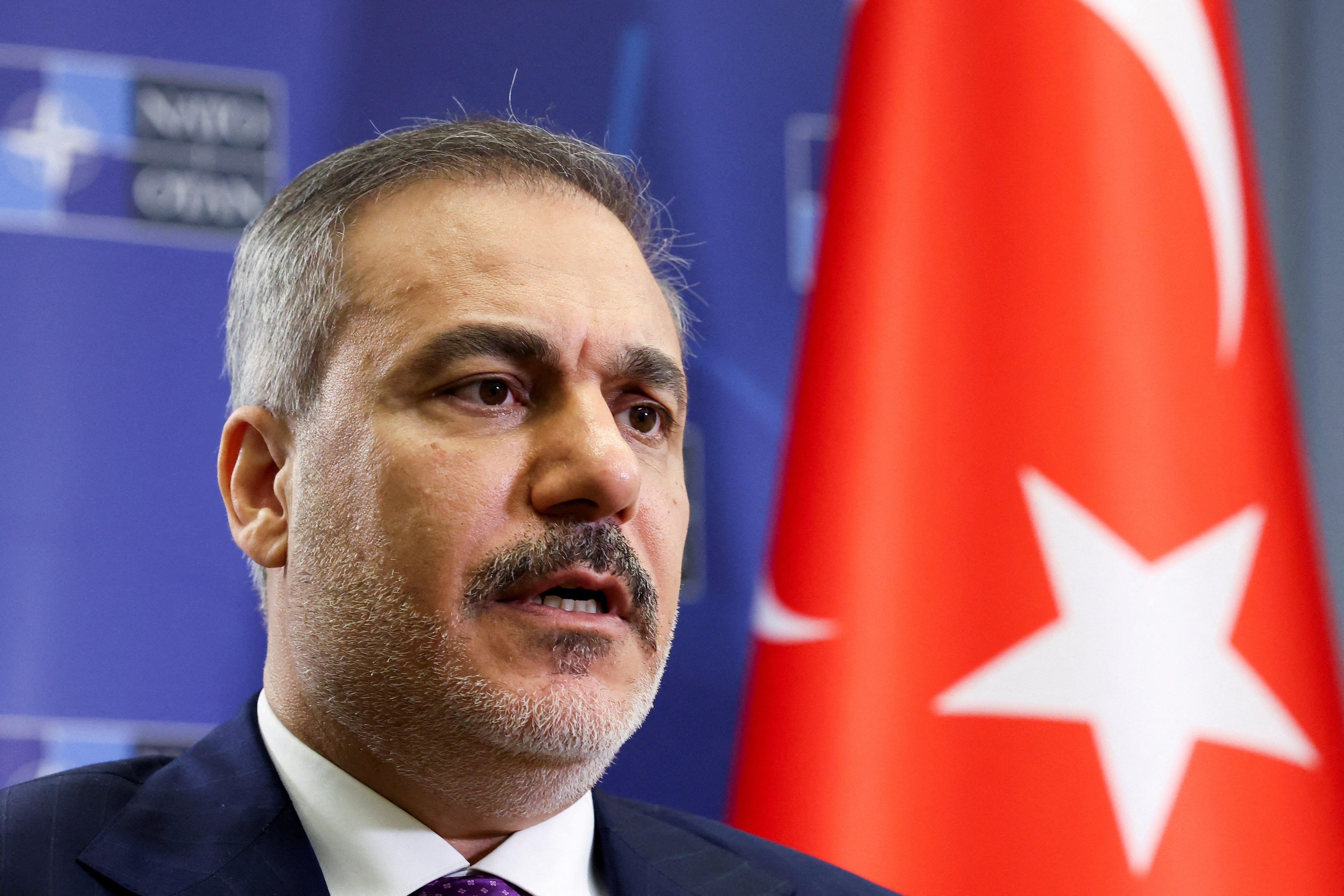
Image for Kurdish-led SDF cooperating with Israel, Turkish FM Hakan Fidan claims
What"s Next
The implications of Fidan"s statements could be significant for the future of the SDF and the broader geopolitical dynamics in Syria. If Turkey follows through on its threats of military action, it could lead to escalated conflict in northeastern Syria, potentially destabilizing the region further and impacting the ongoing humanitarian crisis.
Additionally, the cooperation between the SDF and Israel, as claimed by Fidan, could alter the strategic calculations of various actors involved in the Syrian conflict. As previously reported, recent developments in other parts of Syria, such as clashes between Arab Bedouin tribes and Druze factions in Suwayda, illustrate the volatile nature of the situation.
As negotiations continue, the international community will be closely monitoring the situation, particularly the responses from the U.S. and other allies of the SDF, as well as Turkey"s next steps in its military posture towards the Kurdish forces in Syria.