Title: Moldovan President Sandu Supports Unification with Romania, Cites Polls
Author: David Park
Date: January 12, 2026
Location: Chișinău, Moldova
Moldovan President Maia Sandu has publicly expressed her support for the unification of Moldova with Romania, stating that she would personally vote in favor of such a move if a referendum were to be held. This declaration comes amid increasing challenges faced by small nations like Moldova in maintaining their sovereignty and democratic integrity, particularly in the context of regional pressures, including those from Russia.
Key Details
President Sandu"s remarks highlight a significant political sentiment in Moldova regarding the potential for reunification with Romania. She emphasized that the current geopolitical climate poses substantial challenges for Moldova, a nation that has historically struggled with issues of sovereignty and external influence. Sandu"s comments reflect a growing concern among Moldovan leaders about the pressures exerted by larger powers in the region, particularly Russia, which has been known to assert its influence over former Soviet states.
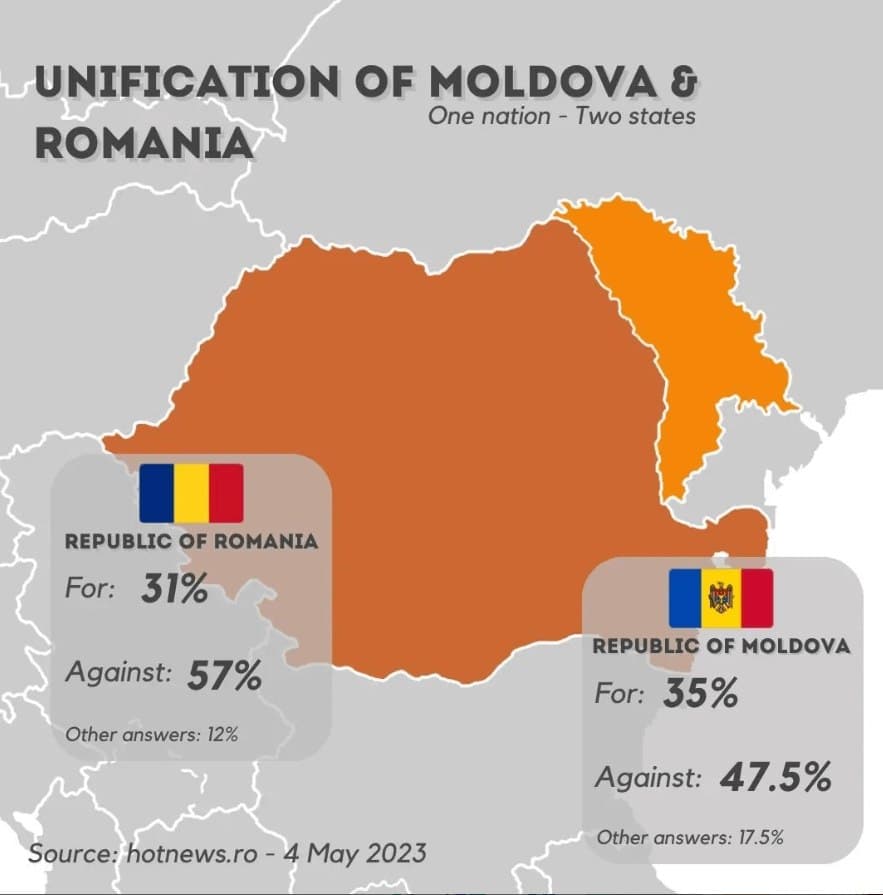
Despite her personal support for unification, President Sandu acknowledged that there is currently no majority backing among the Moldovan populace for such a drastic change. Recent polling data indicates that only approximately one-third of Moldovan citizens are in favor of reunification with Romania. This statistic underscores the complexity of national identity and public sentiment in Moldova, where historical ties to Romania are weighed against a desire for independent statehood.
In her statements, Sandu also pointed to European Union (EU) integration as a more realistic and attainable goal for Moldova. The EU has been a significant focus for Sandu"s administration, which has sought to strengthen ties with European institutions as a means of ensuring Moldova"s sovereignty and democratic development. The emphasis on EU integration reflects a broader trend in Eastern Europe, where several nations are looking to align more closely with Western Europe in response to perceived threats from Russia.
Background
Moldova, a small Eastern European country bordered by Romania to the west and Ukraine to the north, east, and south, has a complex history that includes periods of both independence and foreign domination. Following the dissolution of the Soviet Union in 1991, Moldova declared independence, but the country has faced ongoing challenges related to its national identity and governance. The historical connection to Romania is significant, as many Moldovans share cultural and linguistic ties with their western neighbor.
The political landscape in Moldova has been influenced by various factors, including the presence of a pro-Russian breakaway region, Transnistria, which declared independence from Moldova in 1990 but is not recognized by any UN member states. This situation complicates Moldova"s aspirations for EU integration and further complicates the public discourse surrounding unification with Romania.
What"s Next
As Moldova navigates its future, the question of unification with Romania remains a contentious issue. The lack of majority support among citizens suggests that any move towards reunification would require significant public discourse and potentially a change in political dynamics within the country. The Moldovan government, under Sandu"s leadership, is likely to continue prioritizing EU integration as a strategic goal, which may influence public opinion over time.
In conclusion, President Maia Sandu"s support for unification with Romania reflects both personal conviction and a response to the broader geopolitical landscape. However, the current lack of majority support among Moldovan citizens indicates that any steps toward reunification will require careful consideration and engagement with the public. As previously reported, the challenges facing Moldova are multifaceted, and the path forward will be critical in shaping the nation"s future.
For more on related coverage, see our article on recent developments in international politics.
![[Video] Minneapolis Mayor Jacob Frey calls DHS agents' arrival an 'INVASION'](/_next/image?url=%2Fapi%2Fimage%2Fthumbnails%2Fthumbnail-1768258260467-z8ar1h-thumbnail.jpg&w=3840&q=75)

![[Video] Heavy clashes between Syrian Arab Army and SDF militia in Al-Mardud](/_next/image?url=%2Fapi%2Fimage%2Fthumbnails%2Fthumbnail-1768257668705-bzba9s-thumbnail.jpg&w=3840&q=75)