Over 50% of Earth"s Surface Remains Unmonitored by Satellite Imaging
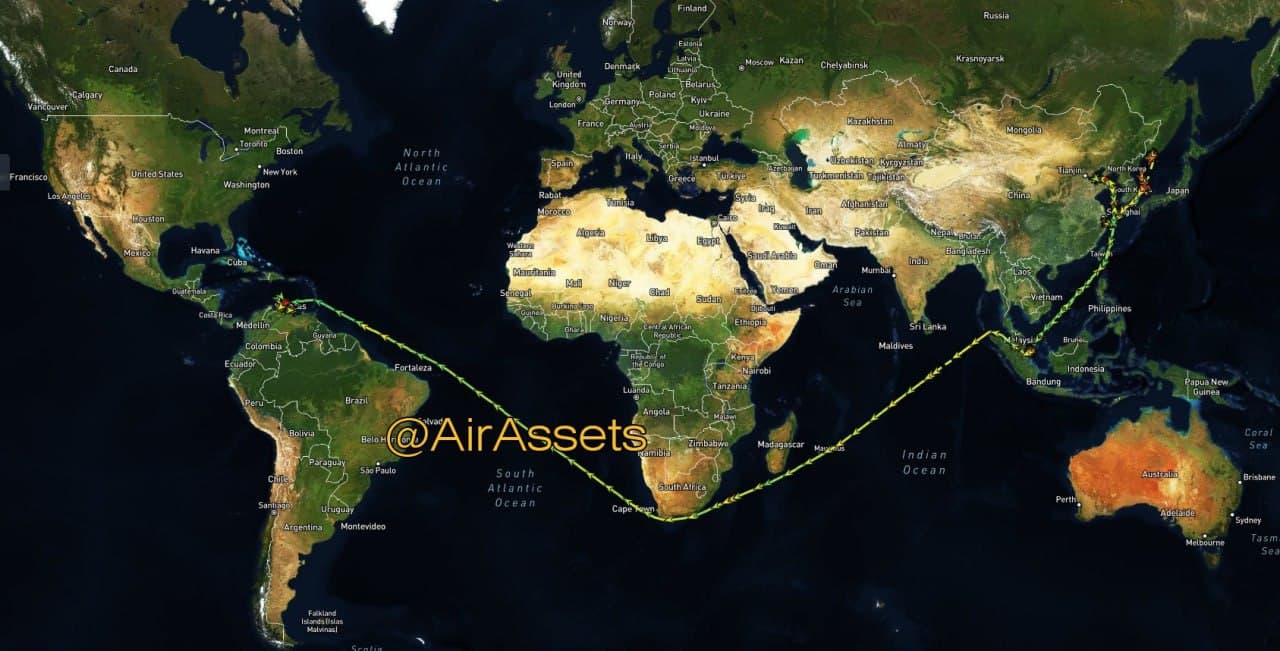
In an era dominated by satellite megaconstellations, a surprising reality has emerged: more than half of the Earth"s surface is not effectively monitored by satellite imaging systems. This revelation raises significant concerns regarding the oversight of maritime activities, particularly illegal operations that can occur unnoticed on the open ocean.
Key Details
Despite the proliferation of Earth Observation (EO) satellites, many of the most recognized platforms do not routinely image vast areas of the ocean that are situated far from land. This limitation is attributed to a combination of factors, including power-saving measures, downlink bandwidth constraints, and the design of instrumentation that is primarily optimized for land observation rather than oceanic monitoring.
It is essential to distinguish between different types of satellites. The satellites in question are those capable of high-resolution imaging, which allows for the monitoring of human activities on the open ocean, such as tracking vessels. In contrast, lower-resolution satellites, like the Sentinel-3, are primarily utilized for monitoring sea states and assisting in weather forecasting, lacking the capability to observe specific human activities.
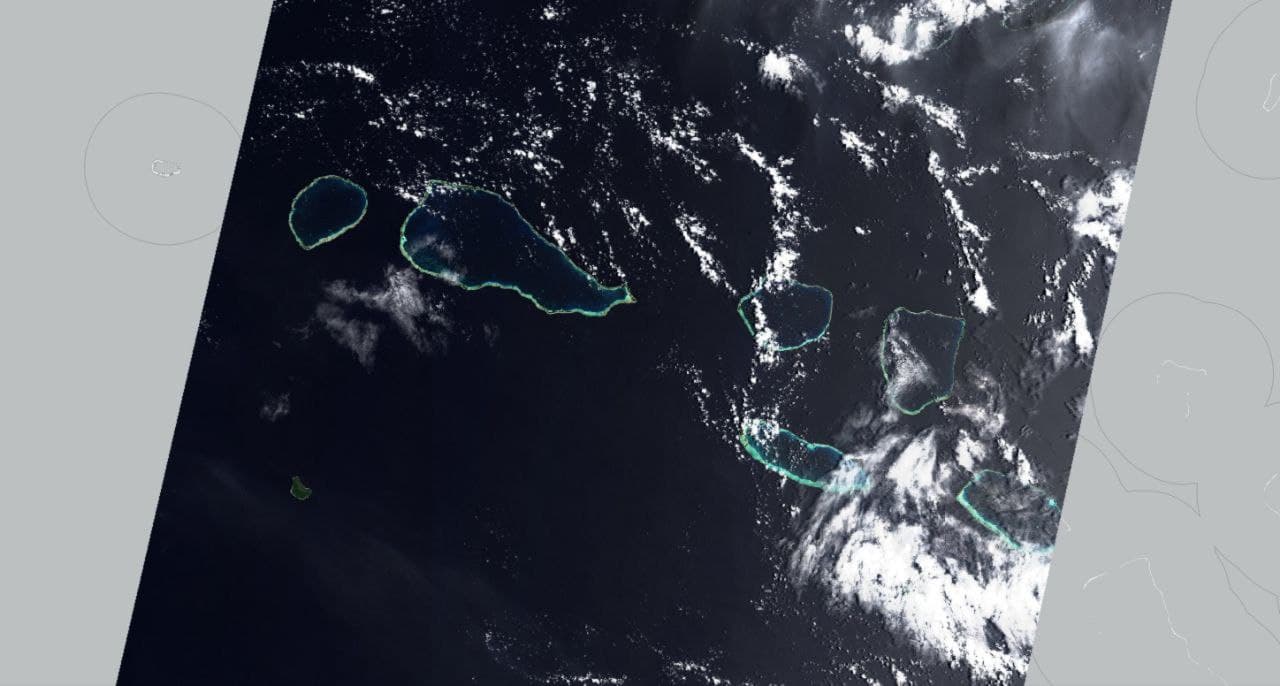
Among the major EO satellite platforms frequently used by Open Source Intelligence (OSINT) researchers are the European Space Agency"s Sentinel-1 and Sentinel-2, as well as NASA"s Landsat program. These satellites provide valuable data for various applications, but their coverage is limited to specific regions and does not extend effectively into the open ocean.
Another significant player in the satellite imaging landscape is the PlanetScope constellation, which consists of Dove and SuperDove satellites. This non-open-source system is often employed by OSINT researchers and is known for its coverage of coastal areas, including the Mediterranean Sea, the Persian Gulf, and the South China Sea. However, access to broader areas may be restricted to government clients, highlighting the limitations faced by independent researchers.
For areas outside the coverage of these platforms, the only viable option for monitoring the ocean would be to task a high-resolution optical or Synthetic Aperture Radar (SAR) satellite. This process is prohibitively expensive and requires advance knowledge of where and when significant events are likely to occur, complicating the ability to respond to emerging situations effectively.
Moreover, similar challenges are believed to exist for contemporary spy satellites. High-resolution capabilities often come with a narrow field of view, necessitating prior knowledge of events to optimize their utility. This limitation, compounded by the constraints of orbital mechanics, further exacerbates the issue of unmonitored oceanic areas.
As a result, it is estimated that over 50% of the Earth"s surface remains inadequately monitored. This lack of surveillance poses serious risks, as vessels can evade detection by turning off or spoofing their Automatic Identification System (AIS) transponders. Consequently, illegal activities such as smuggling, sanctions evasion, and overfishing can occur without oversight.
Background
The reliance on satellite technology for monitoring human activities on Earth has grown significantly in recent years, particularly in the context of national security and environmental protection. However, the limitations of current satellite systems highlight a critical gap in global monitoring capabilities, especially concerning maritime activities.
What"s Next
The implications of these findings are profound. As illegal activities on the high seas continue to pose challenges for global governance, the need for enhanced satellite monitoring capabilities becomes increasingly urgent. Future advancements in satellite technology and international cooperation may be necessary to address these gaps and ensure more comprehensive oversight of the world"s oceans.
In light of these developments, it is essential to remain informed about related coverage, such as recent developments in satellite technology and its applications in various fields.

![[Video] Tech companies would be less hated if buildings inspired awe, says Peniche](/_next/image?url=%2Fapi%2Fimage%2Fthumbnails%2Fthumbnail-1766232096874-yzqt19-thumbnail.jpg&w=3840&q=75)


![[Video] Russian envoy Kirill Dmitriev meets US officials in Miami to discuss Ukraine](/_next/image?url=%2Fapi%2Fimage%2Fthumbnails%2Fthumbnail-1766263848364-0k8ijb-thumbnail.jpg&w=3840&q=75)