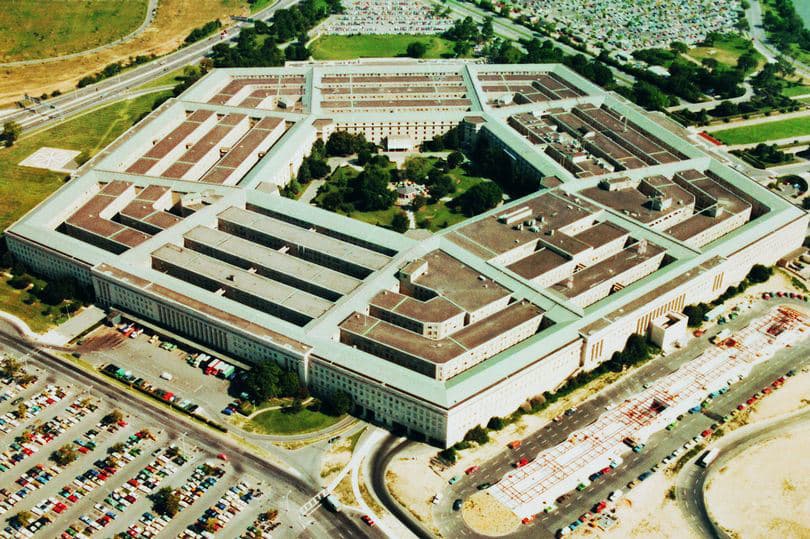
Pentagon Plans Major Military Reorganization, Shifting Focus from Middle East and Europe
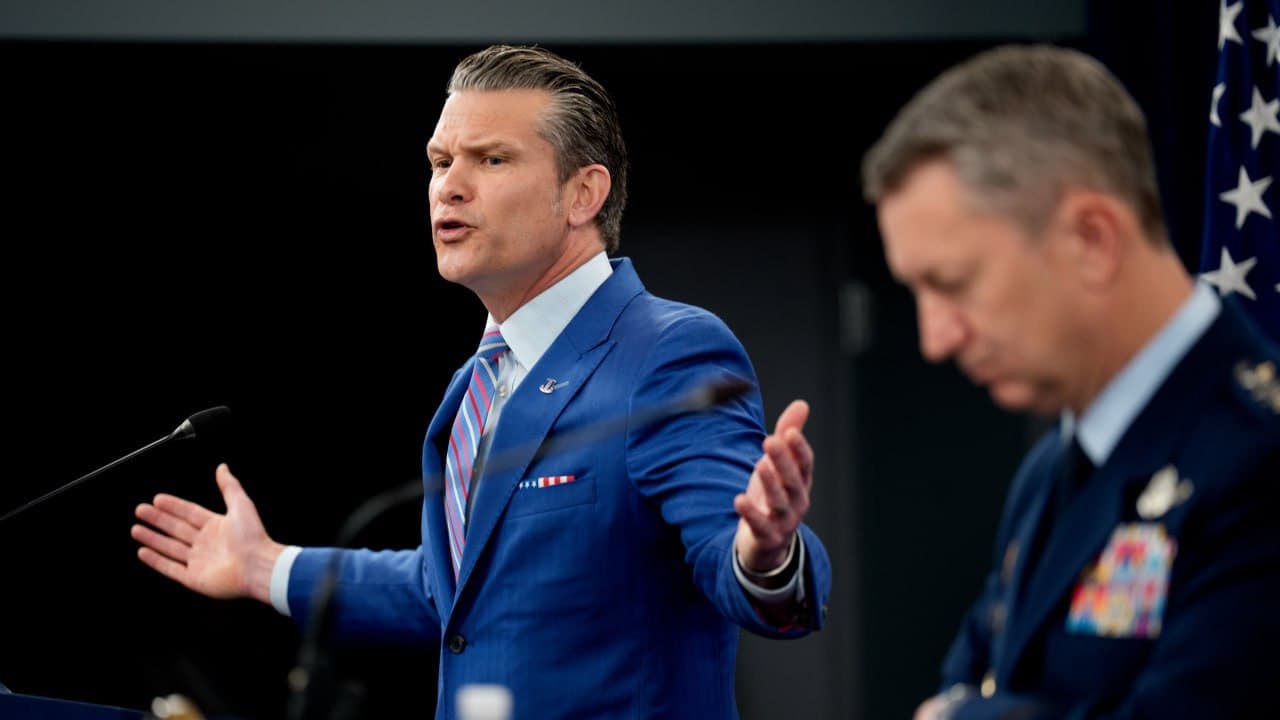
On December 15, 2025, senior officials at the Pentagon announced a significant plan aimed at restructuring the U.S. military"s command hierarchy and reallocating resources away from the Middle East and Europe. This initiative, led by Defense Secretary Pete Hegseth, seeks to consolidate several major military headquarters and alter the balance of power among top military leaders.
Key Details
The proposed reorganization would involve downgrading the prominence of three key military commands: U.S. Central Command (CENTCOM), U.S. European Command (EUCOM), and U.S. Africa Command (AFRICOM). These commands would be placed under the authority of a newly established entity known as U.S. International Command. This shift reflects a strategic pivot in U.S. military focus, moving away from traditional areas of engagement in the Middle East and Europe.
According to five sources familiar with the matter, if this plan is implemented, it would represent one of the most significant changes in the military"s leadership structure in decades. The reorganization is part of Hegseth’s broader agenda to disrupt the existing status quo and reduce the number of four-star generals within the military. This move is seen as an effort to streamline command and enhance operational efficiency.
Background
The U.S. military has historically maintained a strong presence in the Middle East and Europe, with CENTCOM overseeing operations in the Middle East, EUCOM responsible for European affairs, and AFRICOM managing U.S. military interests in Africa. The consolidation of these commands under a single umbrella is indicative of a potential shift in U.S. foreign policy and military strategy, reflecting changing geopolitical dynamics.
Defense Secretary Pete Hegseth, who has been vocal about the need for reform within the military, aims to create a more agile and responsive command structure. His approach comes amid ongoing discussions about the effectiveness of the current military hierarchy and the necessity of adapting to new global threats.
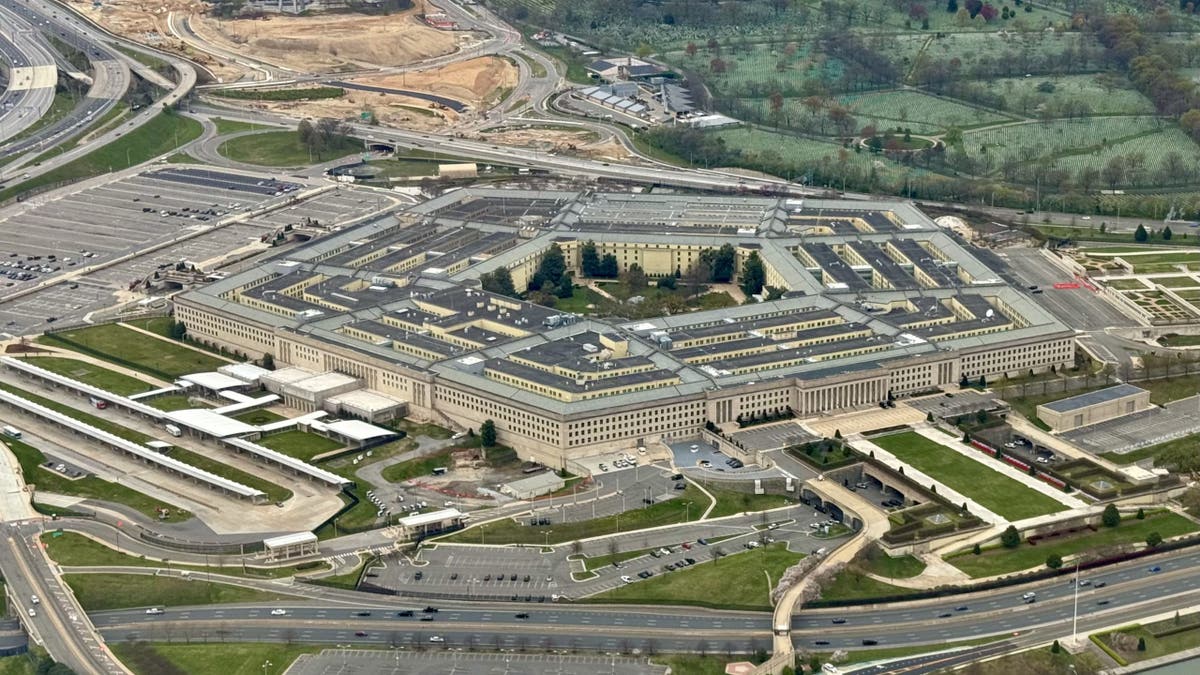
Image for Pentagon plan to shift military resources from Middle East and Europe
What"s Next
If the Pentagon"s plan is adopted, it could lead to a reallocation of military resources and personnel, impacting how the U.S. engages with international conflicts and alliances. The establishment of U.S. International Command may also result in changes to military operations and strategies, particularly in regions where U.S. interests are evolving.
As the military prepares for these potential changes, the implications for U.S. foreign policy and defense strategy will be closely monitored. The reorganization could set a precedent for future military adaptations in response to global security challenges.
For more on related developments, see recent developments regarding U.S. naval deployments.