Title: Philip Pilkington Discusses Liz Truss Government"s Collapse on The Liz Truss Show
Author: Jessica Martinez-Thompson
Date: January 8, 2026
In a recent episode of The Liz Truss Show, economist Philip Pilkington, a Visiting Fellow at the Danube Institute, joined former Prime Minister Liz Truss to discuss the circumstances surrounding her government’s abrupt collapse in 2022. The conversation delved into the contentious budget that many believe was a catalyst for her resignation, as well as the broader implications of international economic pressures that Pilkington argues played a significant role in her ousting.
Key Details
Philip Pilkington, who has a background in economics and is currently affiliated with the Danube Institute, posited that the downfall of the Truss government was not solely due to a poorly received budget but rather the result of a coordinated effort by an international network of economists. This assertion suggests a deeper, more complex interplay between domestic policies and global economic forces.
During the episode, Truss and Pilkington discussed the "shocking events of 2022," referring to the political turbulence that characterized Truss"s brief tenure as Prime Minister. Truss, who served as the UK’s leader for just 49 days, faced immense pressure following the announcement of a controversial fiscal plan that included significant tax cuts funded by government borrowing. This plan was met with immediate backlash from financial markets, leading to a dramatic fall in the value of the British pound and increased borrowing costs for the government.
Pilkington described the situation as indicative of what he termed the "deep state," implying that entrenched interests within the UK and abroad conspired to undermine Truss’s administration. He highlighted the concept of the "British Blob," a term often used to describe the interconnected network of civil servants, politicians, and economists who influence government policy. This framing suggests that the challenges faced by Truss were not merely political but also involved significant external economic pressures and influences.
Background
The Liz Truss government came into power in September 2022, following a leadership contest within the Conservative Party. Truss"s economic agenda aimed to stimulate growth through tax cuts, but it quickly faced criticism from various quarters, including opposition parties, financial analysts, and even members of her own party. The backlash culminated in a loss of confidence among investors, leading to turmoil in the UK bond market and prompting the Bank of England to intervene to stabilize the situation.
Truss ultimately resigned on October 20, 2022, making her the shortest-serving Prime Minister in British history. Her departure marked a significant moment in UK politics, raising questions about the sustainability of her economic policies and the broader implications for the Conservative Party.
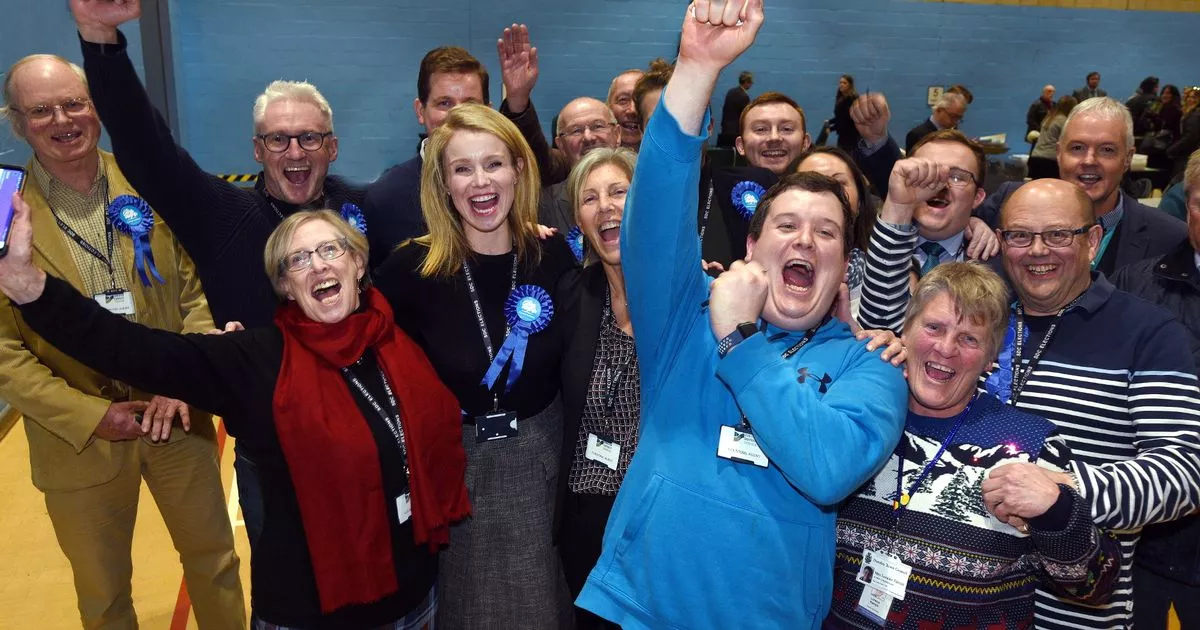
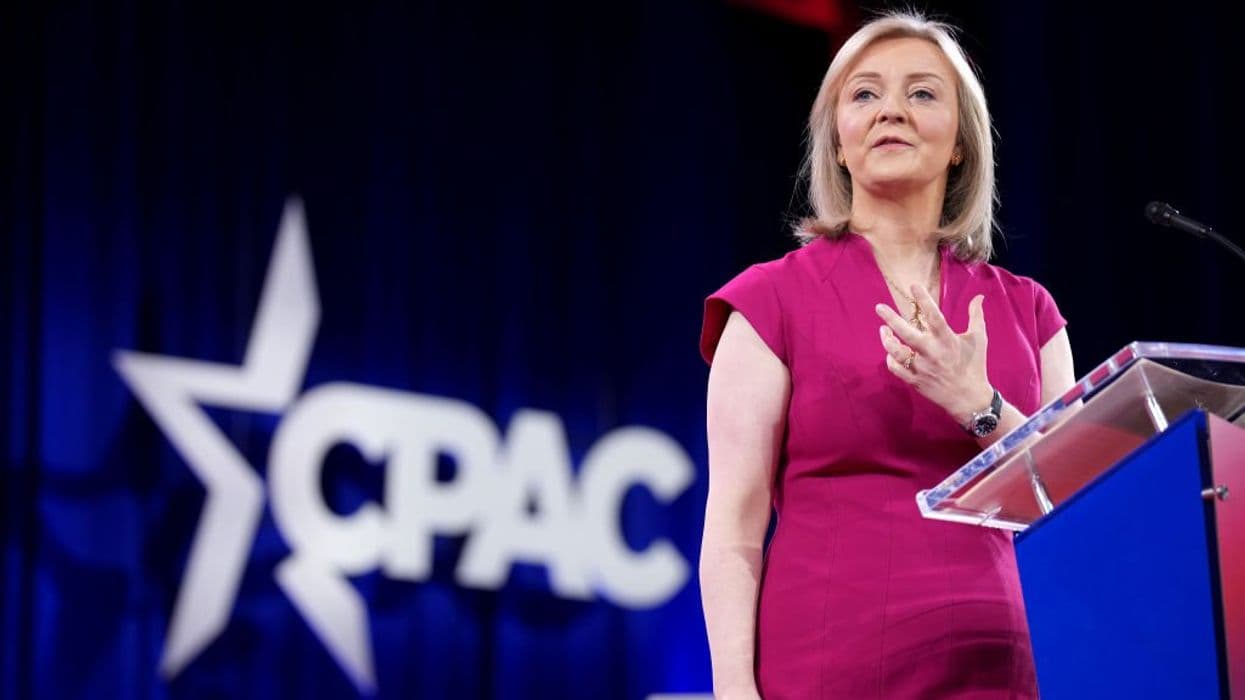
Image for Philip Pilkington discusses Liz Truss government"s collapse on The Liz Truss Show
What"s Next
The discussion on The Liz Truss Show not only revisits the events leading to Truss"s resignation but also reflects ongoing debates about the role of economic policy in political stability. As the UK continues to navigate the complexities of its economic landscape, the insights shared by Pilkington may resonate with policymakers and economists alike, prompting further examination of how international dynamics influence domestic governance.
For readers interested in related political developments, earlier coverage includes discussions on international responses to economic crises, such as the recent developments in Iran, where security forces have faced criticism for their handling of protests, as detailed in previous reports.
As the political landscape evolves, the lessons learned from the Truss administration may serve as a cautionary tale for future leaders navigating the intersection of economic policy and political viability.
![[Video] Tehran Mayor reports protesters attacked hospitals, banks, and mosques](/_next/image?url=%2Fapi%2Fimage%2Fthumbnails%2Fthumbnail-1767958840054-91un3e-thumbnail.jpg&w=3840&q=75)
![[Video] Massive nationwide anti-regime protests in Iran enter day 13](/_next/image?url=%2Fapi%2Fimage%2Fthumbnails%2Fthumbnail-1767941441154-n29zg-thumbnail.jpg&w=3840&q=75)