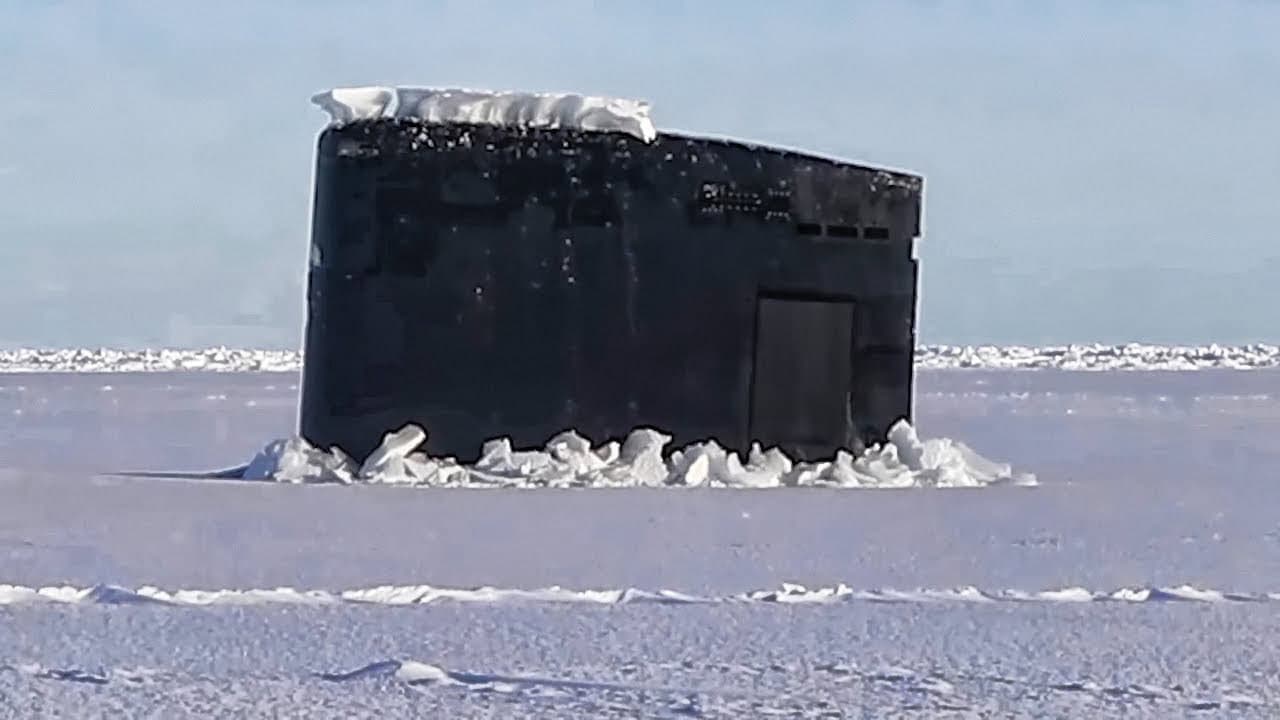
PLA Navy Develops Arctic-Capable Submarines and Vessels for Under-Ice Operations
In a significant advancement of its naval capabilities, the People"s Liberation Army Navy (PLAN) has made substantial investments in developing submarines and surface vessels specifically designed for operations in Arctic conditions. This development is particularly exemplified by the introduction of the Type 095 nuclear submarine, which is engineered for under-ice operations. This strategic shift in China"s submarine doctrine enhances its ability to conduct deterrent patrols and intelligence gathering beneath the Arctic ice, thereby ensuring a credible second-strike nuclear capability for the nation.
Key Details
The Type 095 nuclear submarine represents a pivotal advancement in China"s maritime military strategy. Designed with the capability to operate effectively beneath Arctic ice, these submarines are expected to play a crucial role in enhancing China"s deterrence posture. The ability to conduct operations in such challenging environments marks a significant evolution in the operational scope of the PLAN.
In addition to the Type 095 submarines, the PLAN is also upgrading its surface combatant fleet. These upgrades include the incorporation of ice-strengthened hulls and advanced cold-weather systems, which are essential for vessels operating in the harsh Arctic environment. This modernization effort is part of a broader strategy to enhance the operational effectiveness of the PLAN in polar regions.
Furthermore, the Chinese military is developing a range of civilian-military dual-use vessels. These include research vessels and commercial fishing boats that can provide logistical support in Arctic waters. The dual-use nature of these vessels allows for greater flexibility in operations, enabling China to conduct scientific research and resource extraction while simultaneously enhancing its military presence in the region.
Background
The Arctic region has become increasingly important for global powers, with its melting ice caps opening new shipping routes and access to untapped natural resources. China"s interest in the Arctic aligns with its broader geopolitical ambitions and its desire to secure strategic advantages in this emerging frontier. The PLAN"s investments in Arctic-capable vessels reflect a growing recognition of the region"s significance in international security dynamics.
As previously reported, China has been expanding its Arctic activities, raising concerns among the United States and NATO allies regarding potential security implications. The development of under-ice operational capabilities is seen as a direct response to these geopolitical tensions, further complicating the strategic landscape in the Arctic.
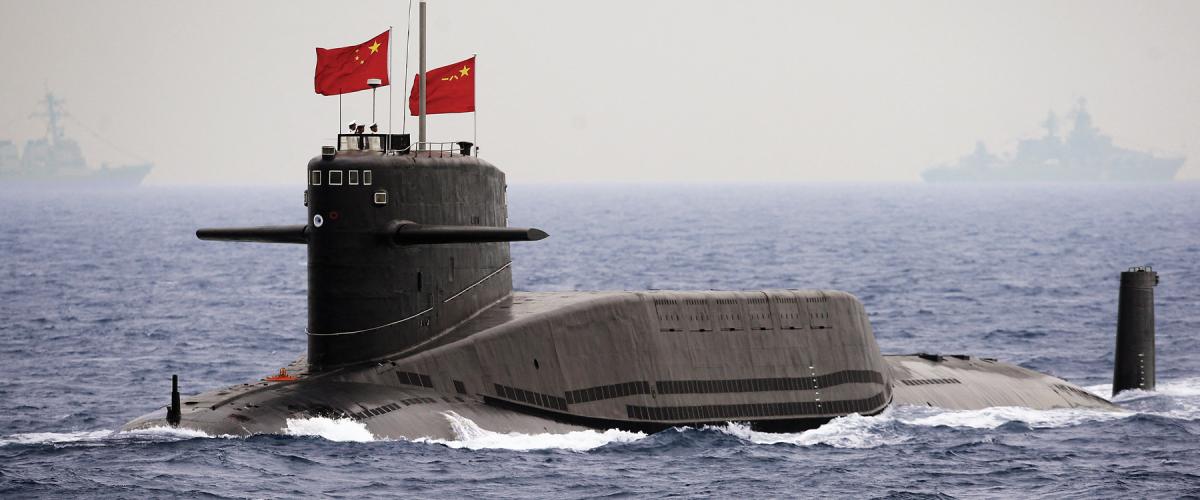
Image for PLA Navy develops Arctic-capable submarines and vessels for under-ice operations
What"s Next
The advancements made by the PLAN in Arctic capabilities are likely to have far-reaching implications for regional and global security. As China continues to enhance its naval presence in the Arctic, it may lead to increased military competition in the region. The ability to conduct under-ice operations could enable China to assert its interests more aggressively, potentially leading to heightened tensions with other Arctic nations.
In light of these developments, observers are closely monitoring China"s activities in the Arctic. The recent deployment of a crewed submersible under Arctic ice for the first time underscores the urgency and seriousness of China"s ambitions in the region. Such actions are indicative of a broader trend of increased military and economic engagement by China in the Arctic, which could reshape the geopolitical landscape in the years to come.
For more information on China"s expanding Arctic activities and their implications for international security, refer to earlier coverage.

![[Video] Ukraine's Special Operations Forces strike Tamanneftegaz port terminal in Russia](/_next/image?url=%2Fapi%2Fimage%2Fthumbnails%2Fthumbnail-1767200467772-7sefy-thumbnail.jpg&w=3840&q=75)
![[Video] Xi Jinping: Reunification of motherland is an unstoppable trend](/_next/image?url=%2Fapi%2Fimage%2Fthumbnails%2Fthumbnail-1767200440818-wbizo8-thumbnail.jpg&w=3840&q=75)

![[Video] Xi Jinping reaffirms One Country, Two Systems policy in New Year Address](/_next/image?url=%2Fapi%2Fimage%2Fthumbnails%2Fthumbnail-1767200453319-10ux7p-thumbnail.jpg&w=3840&q=75)