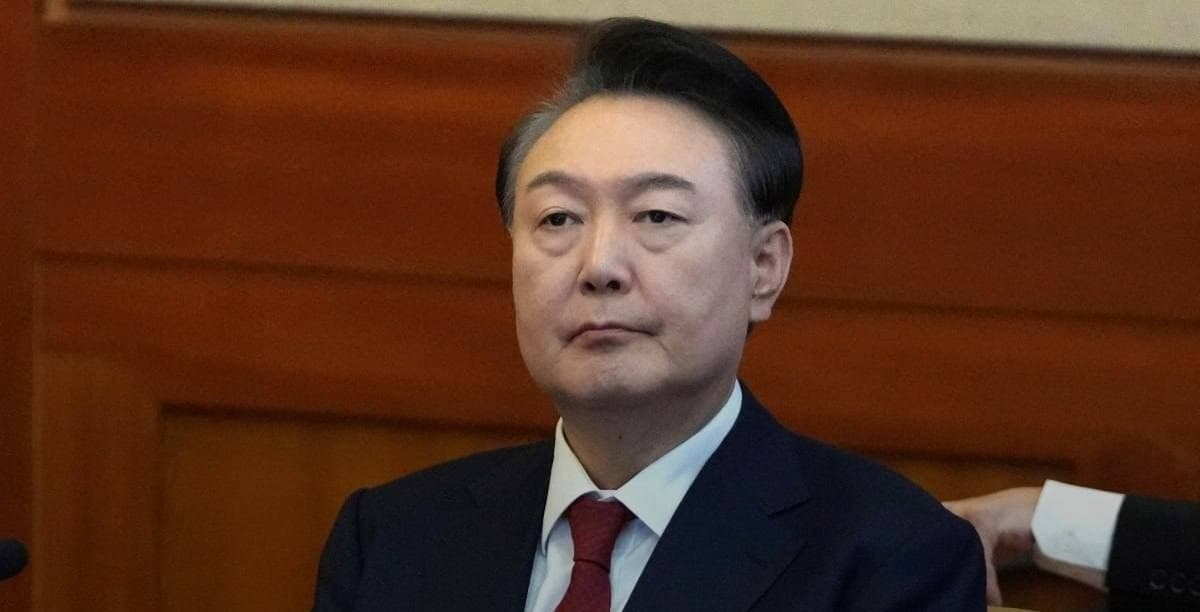
Prosecutors Seek Death Penalty for Former South Korean President Yoon Suk Yeol
In a dramatic turn of events, South Korean special prosecutors have formally requested the death penalty for former President Yoon Suk Yeol, labeling him as the "ringleader of an insurrection" following his controversial declaration of martial law on December 3, 2024. This request was made during the final hearing of Yoon"s trial at the Seoul Central District Court on January 13, 2026, as reported by the Yonhap News Agency and various international media outlets.
Key Details
The prosecutors" demand for capital punishment stems from Yoon"s brief but significant declaration of martial law, which has been characterized as an insurrection against the state. Under South Korean law, the act of leading an insurrection can result in severe penalties, including the death penalty, life imprisonment, or life without the possibility of parole. It is important to note that South Korea has maintained a moratorium on executions since 1997, making the request for the death penalty particularly notable in the context of the country"s legal landscape.
The trial"s final hearing took place at the Seoul Central District Court, a significant venue for high-profile cases in South Korea. The court is expected to issue its verdict in the coming weeks, a decision that could have profound implications for the country"s political climate and legal precedents.
Background
Yoon Suk Yeol, who served as South Korea"s president, has faced increasing scrutiny and legal challenges since his declaration of martial law in December 2024. This declaration was met with widespread criticism and allegations of overreach, leading to a series of investigations and legal proceedings against him. The characterization of Yoon as the "ringleader of an insurrection" reflects the gravity of the charges he faces and the potential consequences of his actions during his presidency.
The legal framework surrounding insurrection in South Korea is stringent, with the possibility of the death penalty serving as a stark reminder of the serious nature of such charges. The request for capital punishment by prosecutors underscores the severity of the situation and the potential ramifications for Yoon and the political landscape in South Korea.
What"s Next
As the court prepares to deliver its verdict in the coming weeks, the outcome of this trial could set a significant precedent in South Korean law and politics. The implications of a guilty verdict, particularly with the prosecutors" request for the death penalty, could lead to renewed discussions about the moratorium on executions in the country and the broader implications for political accountability and governance.
In light of these developments, observers are closely monitoring the situation, as it may influence not only Yoon"s political legacy but also the future of political leadership in South Korea. The case has drawn international attention, highlighting the complexities of governance and legal accountability in a rapidly changing political environment.
For further context on recent developments in global politics, see our coverage on Macron"s proposal for a High Commission for Diversity and Diaspora, which reflects similar themes of leadership and governance challenges.
![[Video] Greenland's Prime Minister: Greenland will not be owned or governed by the U.S.](/_next/image?url=%2Fapi%2Fimage%2Fthumbnails%2Fthumbnail-1768319451542-aouf-thumbnail.jpg&w=3840&q=75)