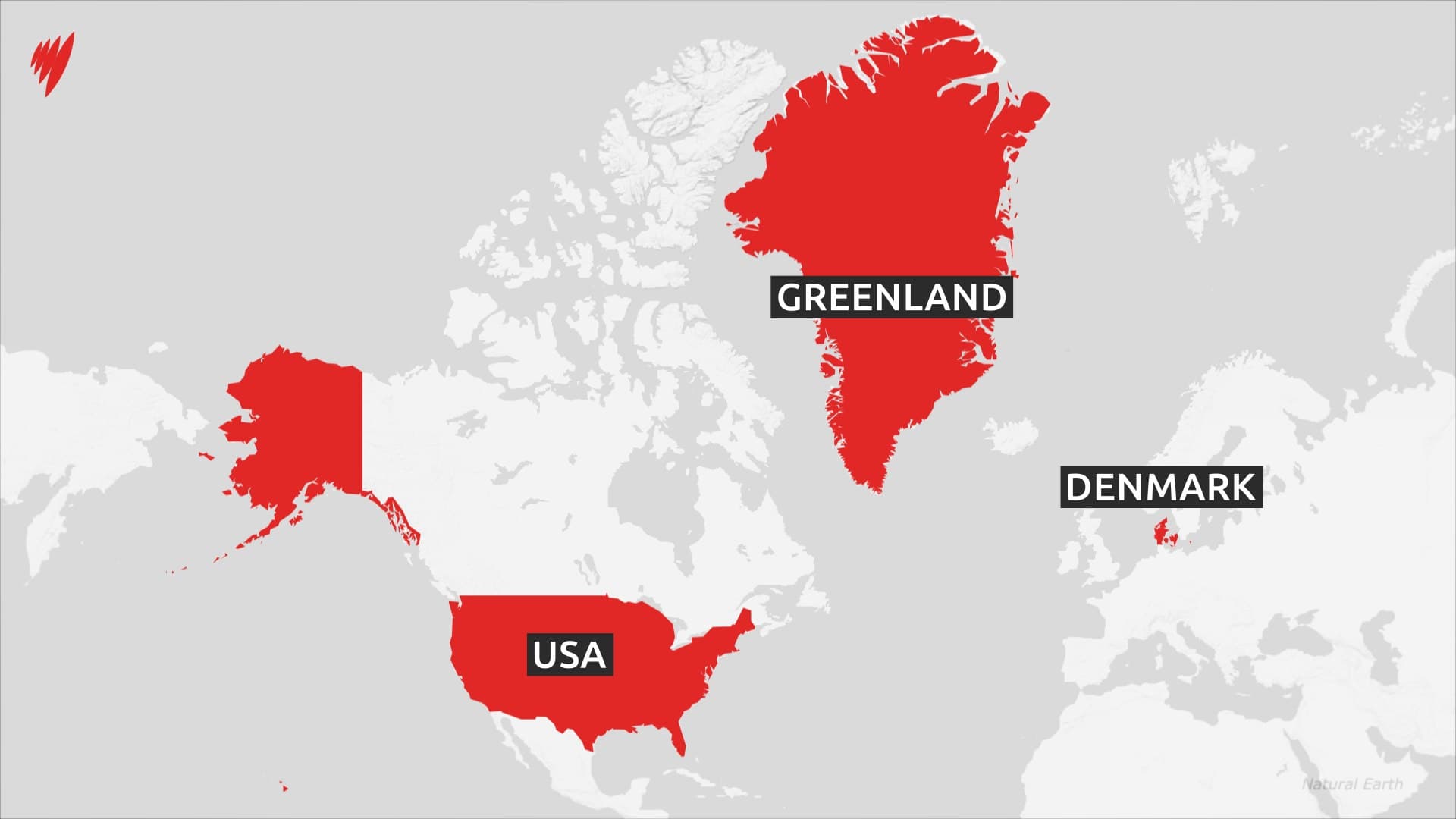
Rep. Randy Fine Introduces Bill to Annex Greenland and Pursue Statehood
On January 12, 2026, U.S. Representative Randy Fine, a Republican from Florida, introduced the Greenland Annexation and Statehood Act in the House of Representatives. This proposed legislation aims to authorize President Donald Trump to take necessary actions, including negotiations with Denmark, to acquire Greenland as a territory of the United States. The bill emphasizes the importance of Greenland in terms of strategic national security interests in the Arctic region, particularly in countering the growing influence of China and Russia.
Key Details
The Greenland Annexation and Statehood Act, introduced by Rep. Fine, outlines specific provisions for the acquisition of Greenland. The legislation grants President Trump the authority to engage in negotiations with Denmark, the current sovereign nation of Greenland. This move comes amid increasing concerns about geopolitical tensions in the Arctic, where both China and Russia have been expanding their presence and influence.
In addition to authorizing negotiations, the bill mandates that the President submit a comprehensive report to Congress. This report must detail any necessary changes to federal law that would be required for admitting Greenland as a U.S. state. The intention behind this requirement is to streamline the process of statehood for Greenland, contingent upon the adoption of a republican-form constitution that aligns with the U.S. Constitution.
Rep. Fine"s introduction of this bill reflects a broader interest among some U.S. lawmakers in expanding American territory, particularly in strategically significant areas. The Arctic region has become increasingly important due to its natural resources and shipping routes, which have gained prominence as climate change alters the landscape of the region.
Background
The idea of acquiring Greenland is not new; it gained significant attention in 2019 when President Trump expressed interest in purchasing the territory from Denmark. This proposal was met with resistance from Danish officials and was ultimately dismissed. However, the strategic importance of Greenland has continued to be a topic of discussion among U.S. policymakers, especially in light of the Arctic"s geopolitical significance.
Greenland is the world"s largest island and is located between the Arctic and Atlantic Oceans. It is an autonomous territory within the Kingdom of Denmark, with its own government and a degree of self-rule. The island is rich in natural resources, including minerals and potential oil reserves, making it an attractive target for nations looking to enhance their economic and strategic positions in the region.
What"s Next
The introduction of the Greenland Annexation and Statehood Act sets the stage for potential debates and discussions in Congress regarding U.S. territorial expansion and Arctic policy. If the bill gains traction, it could lead to significant negotiations between the U.S. and Denmark, as well as discussions about the implications of such an acquisition on international relations, particularly with China and Russia.
As the Arctic continues to be a focal point for global powers, the outcome of this legislation could have lasting effects on U.S. foreign policy and national security strategy. The bill"s progress will be closely monitored by both supporters and opponents, as it raises questions about the future of U.S. territorial integrity and international diplomacy.
For more on this topic, see recent developments in the proposed legislation.
![[Video] Minneapolis Mayor Jacob Frey calls DHS agents' arrival an 'INVASION'](/_next/image?url=%2Fapi%2Fimage%2Fthumbnails%2Fthumbnail-1768258260467-z8ar1h-thumbnail.jpg&w=3840&q=75)


![[Video] Anti-ICE Protester Pepper Sprayed as CBP Agents Disperse Crowd in Minneapolis](/_next/image?url=%2Fapi%2Fimage%2Fthumbnails%2Fthumbnail-1768260677127-y71sb7-thumbnail.jpg&w=3840&q=75)