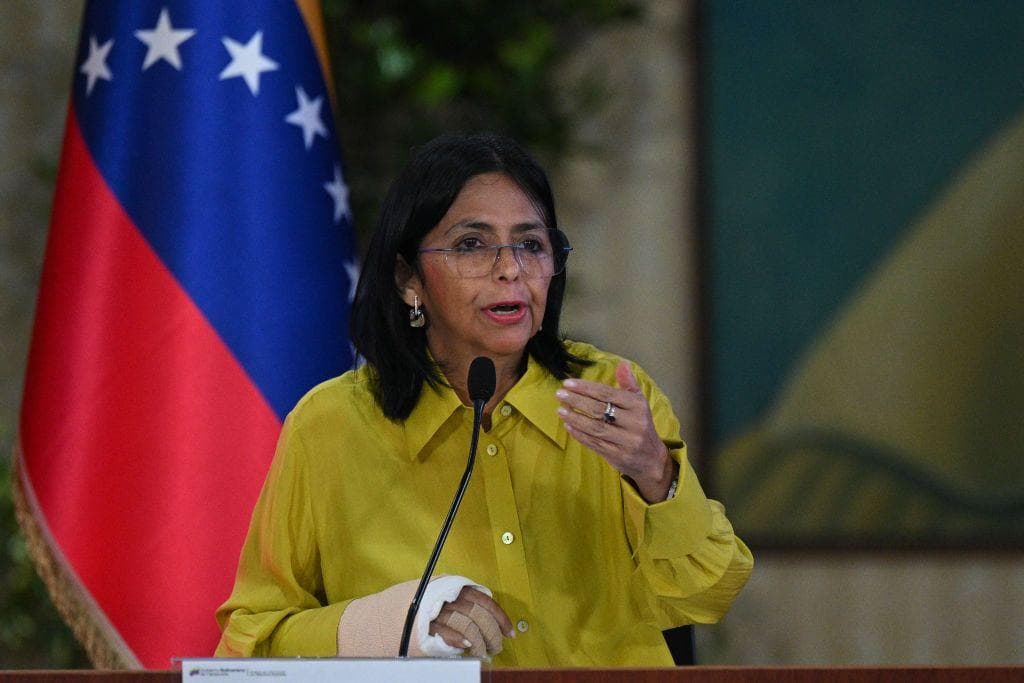
Rubio says US will enforce oil blockade but not govern Venezuela
By Priya Patel
On January 4, 2026, U.S. Secretary of State Marco Rubio clarified the United States" position regarding its involvement in Venezuela, stating that the U.S. would not take on a direct governance role in the country. Instead, Rubio emphasized that the U.S. would focus on enforcing an existing "oil quarantine" against Venezuela, a significant shift from the previous day’s statements made by President Donald Trump.
Key Details
Marco Rubio, the U.S. Secretary of State, made these remarks during an interview on Sunday, January 4, 2026. His comments came in the wake of President Trump’s announcement on January 3, 2026, where he indicated that the U.S. would assume control over Venezuela following the ousting of its leader, Nicolás Maduro. This statement by Trump marked a dramatic escalation in U.S. involvement in Venezuelan affairs, suggesting a direct intervention in the governance of the country.
Rubio"s assertion that the U.S. would not govern Venezuela indicates a strategic pivot in U.S. foreign policy, focusing instead on economic measures, particularly an oil blockade. The "oil quarantine" refers to restrictions aimed at crippling Venezuela"s oil exports, which are crucial to the country"s economy. The U.S. has long criticized Maduro"s government for its handling of the economy and human rights abuses, and the oil blockade is seen as a tool to pressure the regime into making political changes.
Background
The political situation in Venezuela has been tumultuous, particularly since Nicolás Maduro took office in 2013. His presidency has been marked by widespread protests, economic collapse, and allegations of authoritarianism. The U.S. has been vocal in its opposition to Maduro, supporting opposition leaders and imposing sanctions on the Venezuelan government. The recent statements by Trump and Rubio reflect ongoing tensions and the U.S. government"s commitment to influencing the political landscape in Venezuela without direct governance.
In earlier reports, Trump had expressed intentions to take more aggressive actions against Maduro"s regime, including military options. This approach has drawn criticism and concern from various international observers regarding the potential for escalation and the implications for Venezuelan sovereignty.
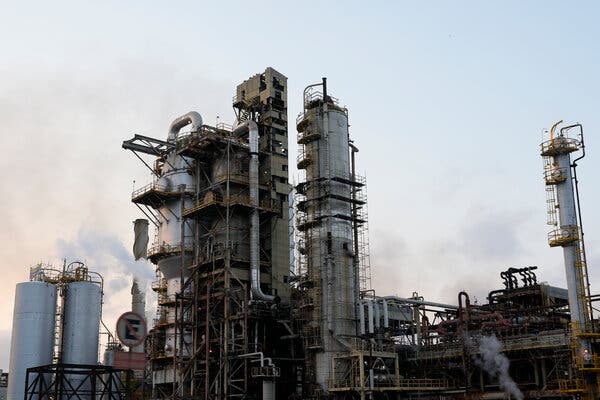
Image for Rubio says US will enforce oil blockade but not govern Venezuela
What"s Next
The enforcement of the oil blockade is expected to continue as the U.S. seeks to weaken Maduro"s grip on power. The implications of this policy could lead to further economic hardship for the Venezuelan population, which is already suffering from severe shortages of food and medicine. The U.S. government has indicated that it will monitor the situation closely and may adjust its strategies based on the developments within Venezuela.
As previously reported, the situation remains fluid, and the international community is watching closely to see how these U.S. policies will unfold and what impact they will have on the Venezuelan people and the broader geopolitical landscape in Latin America.
For more on related coverage, see Maduro"s public dancing led Trump to order U.S. military action in Venezuela.
![[Video] Germany to accept responsibility for Ukraine's security, says Chancellor Merz](/_next/image?url=%2Fapi%2Fimage%2Fthumbnails%2Fthumbnail-1767732646788-32rvaa-thumbnail.jpg&w=3840&q=75)
![[Video] Macron: Russia has broken peace agreements in Moldova, Georgia, and Ukraine](/_next/image?url=%2Fapi%2Fimage%2Fthumbnails%2Fthumbnail-1767728468887-d79e9f-thumbnail.jpg&w=3840&q=75)
![[Video] Venezuelan interim President Delcy Rodriguez responds to US threats](/_next/image?url=%2Fapi%2Fimage%2Fthumbnails%2Fthumbnail-1767734488626-330x2s-thumbnail.jpg&w=3840&q=75)