Russia Strikes Turkish-Operated Vessels Near Odesa; Turkey Responds by Downing Russian Drone
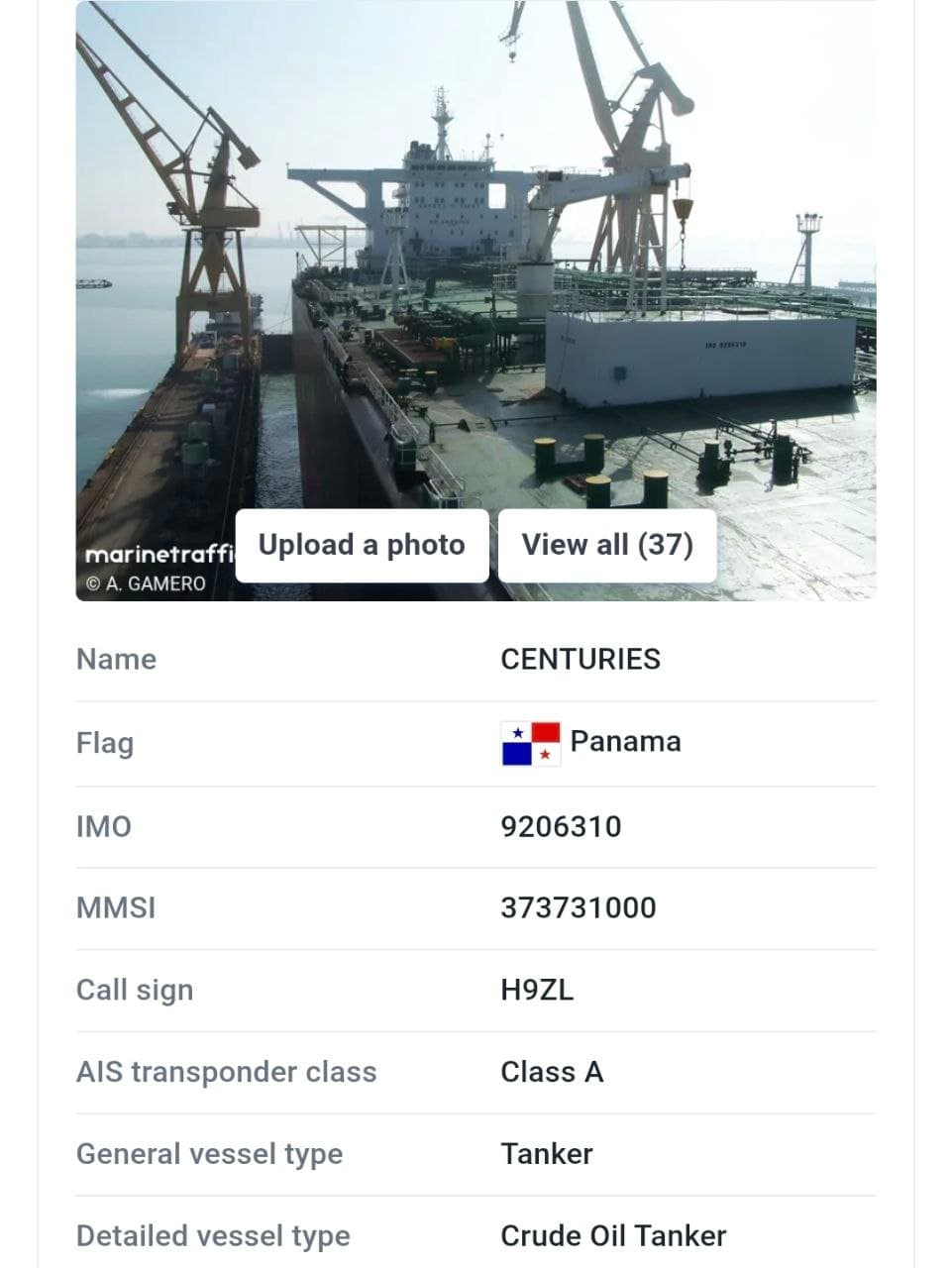
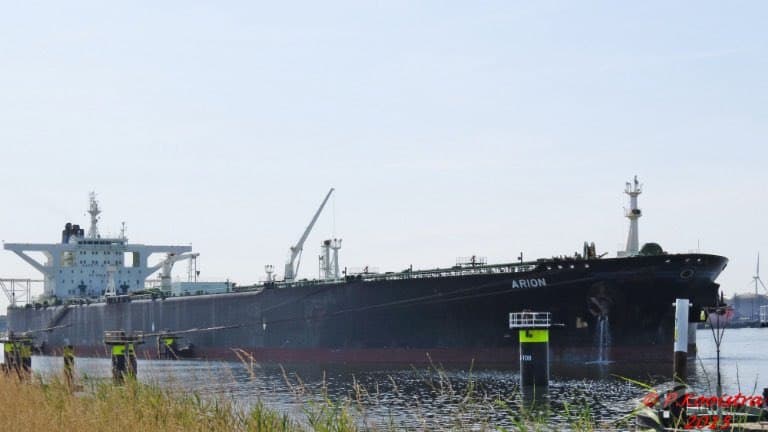
In a significant escalation of tensions in the Black Sea region, Russia has launched attacks on two vessels operated by Turkey near the Ukrainian port city of Odesa. These strikes were characterized by Russian officials as deliberate warnings to Ukraine. In response to the aggression, Turkish forces successfully shot down a Russian reconnaissance drone over the Black Sea, marking a critical moment in the ongoing geopolitical conflict.
Key Details
The incidents occurred in late December 2025, a period marked by heightened military activity in the Black Sea as the conflict between Russia and Ukraine continues. The Turkish-operated vessels targeted by Russian strikes were reportedly engaged in commercial activities, which have been vital for both Turkey and Russia amidst ongoing sanctions and trade restrictions.
Turkey has maintained a unique position as one of the few NATO member states still engaging with Russia on commercial and diplomatic fronts. Turkish ports have been instrumental in handling oil products and dual-use components that Russia has struggled to source due to international sanctions. Furthermore, Turkish banks have played a critical role in helping Russian entities navigate these sanctions, while Turkish firms have been essential in sustaining Russian logistics chains.
In light of the recent attacks, Turkish President Recep Tayyip Erdoğan publicly condemned the Russian strikes, calling on President Vladimir Putin to cease all attacks on ports and energy infrastructure. This statement underscores Turkey"s strategic interests in maintaining stability in the Black Sea and protecting its commercial operations. Turkish officials have also expressed concerns about the potential for the Black Sea to become a confrontation zone, emphasizing the need for diplomatic solutions to avoid further escalation.
Background
The Black Sea has been a focal point of military and economic tensions since the onset of the conflict between Russia and Ukraine in 2014. The region"s strategic importance is underscored by its role in maritime trade and energy transportation. Turkey"s geographical position and its control over the Bosporus Strait give it significant influence over naval movements in the Black Sea, making its relationship with both Russia and Ukraine particularly crucial.
Turkey"s ongoing trade with Russia has drawn criticism from some NATO allies, who view such interactions as undermining collective efforts to isolate Russia economically. However, Turkey has sought to balance its NATO commitments with its national interests, which include energy security and economic stability.
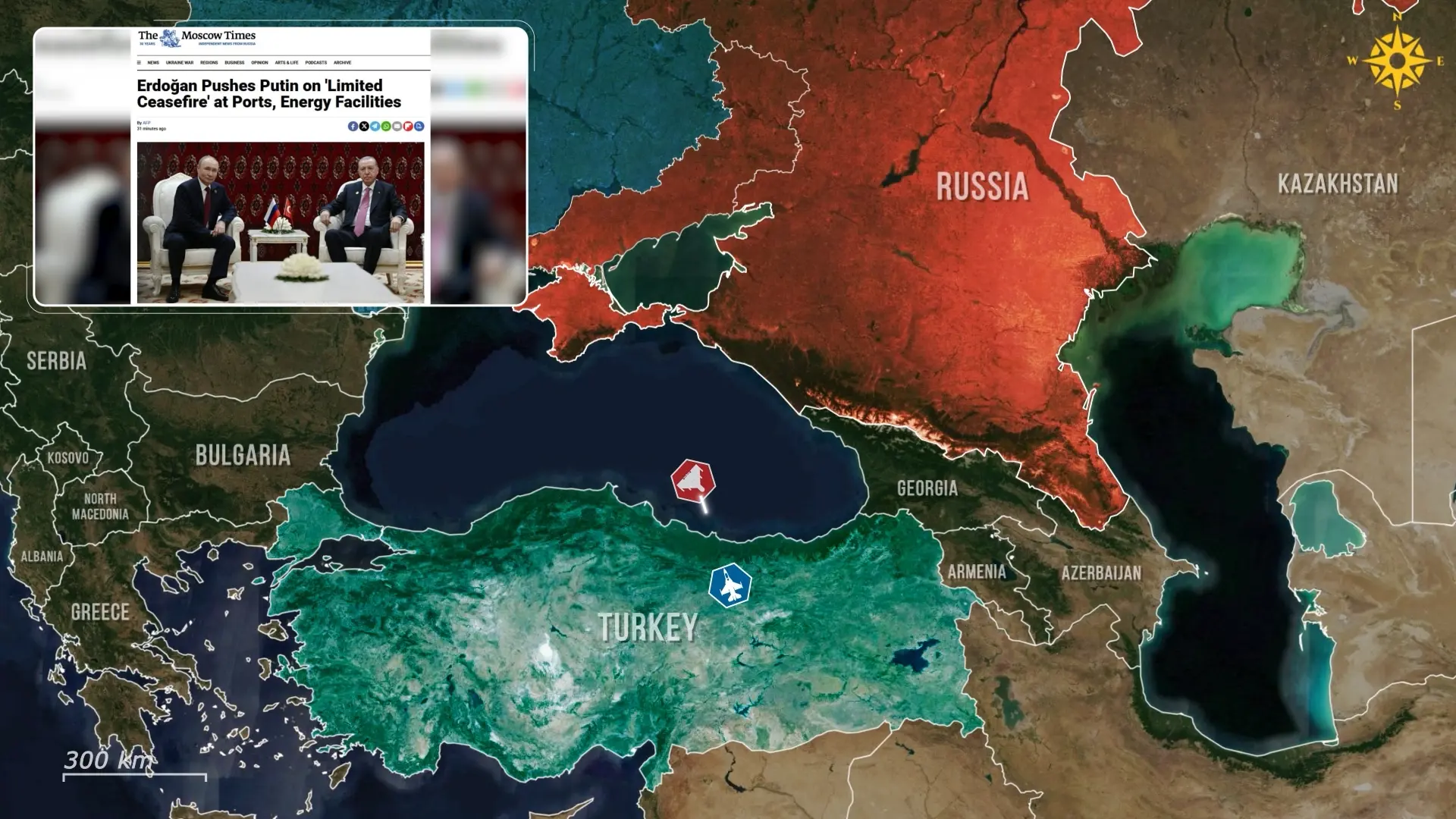
Image for Russia attacks Turkish-operated vessels near Odesa; Turkey downs Russian drone
What"s Next
The implications of these recent events could be profound for Turkey-Russia relations. Should Ankara decide to reassess its engagement with Moscow, Russia may face a significant slowdown in trade, reduced access to critical goods, and tighter restrictions that could impact its war economy. This potential shift could alter the dynamics of the conflict in Ukraine and the broader geopolitical landscape in the region.
As the situation develops, observers will be closely monitoring Turkey"s next steps and whether it will continue to provide Russia with commercial support or pivot towards a more confrontational stance. The international community is also likely to respond to these developments, as the balance of power in the Black Sea remains precarious.
For further insights into related developments, see our coverage on the recent incidents involving maritime security.