Russia Attacks Ukrainian Power Grid in Response to Drone Strikes
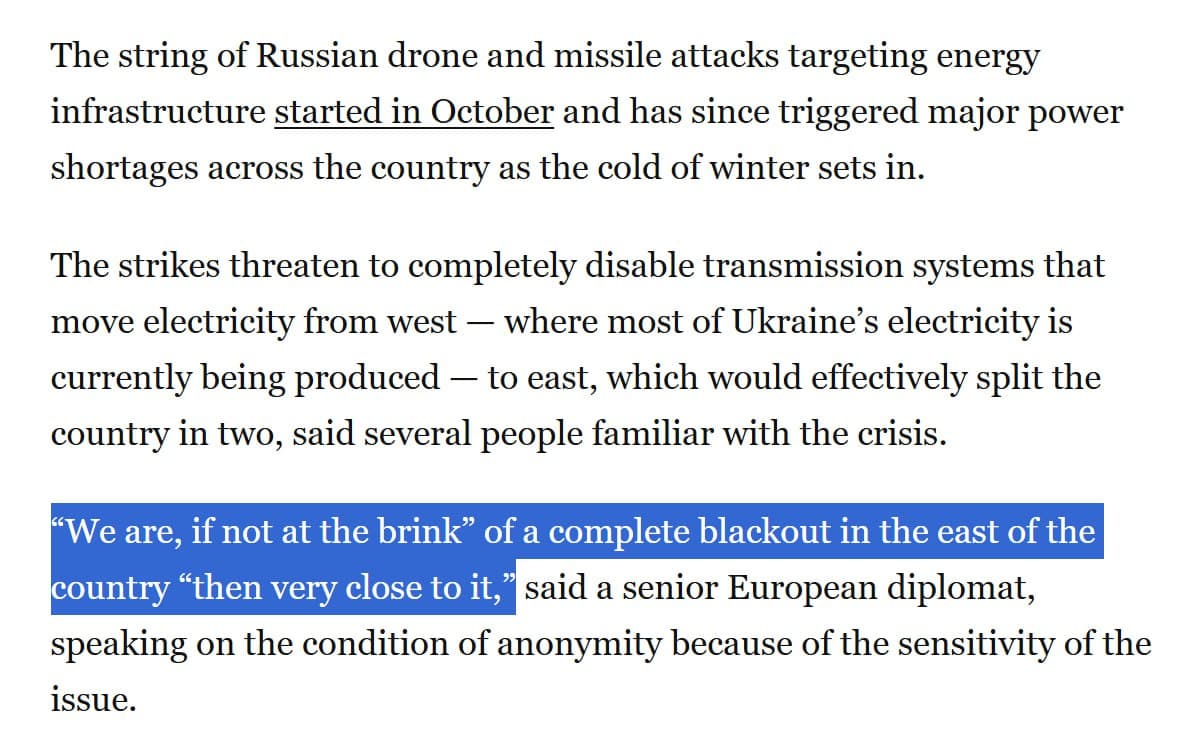
In a significant escalation of hostilities, Russian forces have launched extensive attacks on Ukraine"s energy infrastructure, particularly targeting the power grid. This retaliation follows a series of Ukrainian drone strikes aimed at crippling Russia"s energy capabilities, which Ukrainian leadership believed would compel Russia to withdraw from occupied territories. The conflict, which has intensified since February 2022, has now reached a critical juncture as winter approaches, exacerbating the humanitarian crisis in the region.
Key Details
Earlier this year, Ukraine"s government made a strategic decision to target Russia"s energy infrastructure as part of their military strategy. The aim was to disrupt fuel supplies and electrical services, thereby exerting pressure on Russia to reconsider its military presence in Ukraine. This campaign included months of drone attacks on various Russian facilities, including fuel storage sites and electrical substations. However, these efforts reportedly had minimal impact on the daily lives of Russian citizens, as the Russian power grid remained largely functional.
In response to the Ukrainian strikes, Russia has escalated its military operations. The recent attacks on Ukraine"s power grid represent the most extensive offensive against its energy infrastructure since the onset of the conflict. Ukrainian regions, particularly the eastern half of the country and the capital city of Kyiv, are now experiencing severe power shortages, with residents facing blackouts lasting up to 16 hours a day. This situation has created a dire humanitarian crisis as winter temperatures continue to drop below freezing.
The scale of Russia"s counterattacks has raised concerns among international observers, as the ongoing conflict shows no signs of abating. The attacks on the Ukrainian power grid are not only a tactical military response but also a strategic move to undermine the morale of the Ukrainian population during the harsh winter months.
Background
The conflict between Ukraine and Russia has been ongoing since February 2022, following Russia"s annexation of Crimea in 2014 and its support for separatist movements in Eastern Ukraine. The war has led to significant casualties and displacement, with millions of Ukrainians forced to flee their homes. As winter approaches, the humanitarian situation is expected to worsen, with energy shortages compounding the challenges faced by civilians in both Ukraine and Russia.
Ukrainian leadership has been vocal about their strategy to target Russian energy infrastructure, believing that crippling Russia"s energy capabilities would lead to a strategic advantage in the conflict. However, the effectiveness of these attacks has been called into question, as the Russian response has proven to be devastating and comprehensive.
What"s Next
As the conflict continues, the situation is expected to deteriorate further, particularly with the onset of winter. The combination of prolonged blackouts and freezing temperatures poses a significant threat to the health and safety of the Ukrainian population. International humanitarian organizations are likely to increase their efforts to provide assistance, but the scale of the crisis may overwhelm available resources.
In light of these developments, global attention remains focused on the conflict, with many nations calling for a resolution to the ongoing hostilities. The situation is fluid, and the potential for further escalation remains high as both sides prepare for a challenging winter ahead.
For more on related coverage, see recent developments in the Russo-Ukrainian War.
![[Video] Ukraine's SBU uses underwater drones to damage Russian submarine in Novorossiysk](/_next/image?url=%2Fapi%2Fimage%2Fthumbnails%2Fthumbnail-1765818046368-hod7lb-thumbnail.jpg&w=3840&q=75)
![[Video] EU to establish commission for war damage claims against Russia in The Hague](/_next/image?url=%2Fapi%2Fimage%2Fthumbnails%2Fthumbnail-1765816852584-b6tjhg-thumbnail.jpg&w=3840&q=75)