Russia Deploys Naval Forces to Escort Oil Tanker Evading U.S. Pursuit
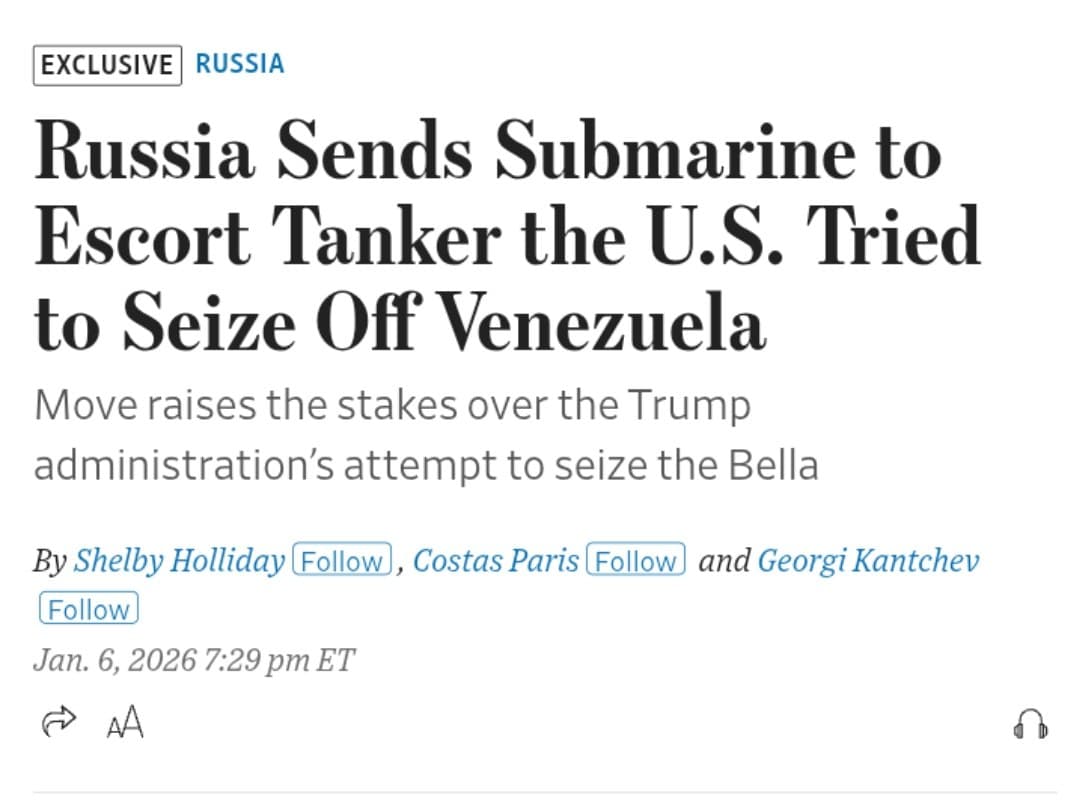
In a significant escalation of maritime tensions, Russia has deployed a submarine along with other naval vessels to escort an oil tanker that has been evading U.S. Coast Guard efforts to intercept it in the Atlantic Ocean. The tanker, previously known as Bella 1, has been renamed Marinera and is currently flying the Russian flag. This development comes amid ongoing scrutiny of the vessel"s suspected involvement in the sanctioned oil trade with Venezuela, a country that has faced extensive U.S. sanctions.
Key Details
The Marinera, which is currently empty, has been under pursuit by the U.S. Coast Guard due to allegations of its participation in illicit oil transactions involving Venezuela. Reports indicate that the vessel successfully evaded a U.S. boarding attempt, prompting it to change its identity and flag. The Marinera is now reportedly heading towards northern Europe, raising concerns about the implications of its cargo and the legality of its operations.
In response to the U.S. pursuit, the Russian government has urged Washington to cease its actions against the tanker. This diplomatic intervention highlights the broader geopolitical tensions between the United States and Russia, particularly concerning energy resources and sanctions enforcement.
Background
The situation surrounding the Marinera is emblematic of the ongoing challenges in enforcing sanctions against Venezuela, which has been a focal point of U.S. foreign policy. The U.S. has imposed a series of sanctions on Venezuela, particularly targeting its oil industry, which is a critical source of revenue for the country. The sanctions aim to pressure the Venezuelan government, led by President Nicolás Maduro, to restore democratic governance and address human rights violations.
In recent developments, the U.S. has been actively pursuing vessels suspected of transporting Venezuelan oil, which is often sold in violation of these sanctions. The U.S. Coast Guard"s efforts to board the Marinera represent a continuation of this strategy, aiming to disrupt the flow of sanctioned oil from Venezuela to international markets.
What"s Next
The deployment of Russian naval forces to protect the Marinera could signify a new phase in the maritime conflict over Venezuelan oil. As the tanker makes its way towards northern Europe, the potential for further confrontations between U.S. and Russian naval forces increases. The situation remains fluid, and the international community will be closely monitoring developments, particularly regarding the implications for U.S.-Russia relations and the enforcement of sanctions against Venezuela.
This incident underscores the complexities of global oil trade, especially in regions where geopolitical interests intersect. As previously reported, the U.S. has been involved in negotiations with Venezuela regarding oil transfers, with discussions around the potential for Venezuela to transfer 30-50 million barrels of oil to the U.S. in the future. The outcome of these negotiations could significantly impact the dynamics of the current situation and the broader energy market.
As the situation evolves, further developments are expected, and the international community will be watching closely to see how both Russia and the United States respond to this maritime challenge.

![[Video] Violent clashes continue in Kurdish-majority neighborhoods of Aleppo](/_next/image?url=%2Fapi%2Fimage%2Fthumbnails%2Fthumbnail-1767874244666-5v1c3a-thumbnail.jpg&w=3840&q=75)