Somalia Cancels All Agreements with UAE, Affecting Major Ports
On January 12, 2026, Somalia announced the cancellation of all bilateral agreements with the United Arab Emirates (UAE), a decision that significantly impacts key ports in the country, including Berbera, Bosaso, and Kismayo. This move comes in response to allegations of actions taken by the UAE that threaten Somalia"s sovereignty and political independence.
Key Details
The Somali government has declared that the cancellation of agreements encompasses all forms of cooperation related to the aforementioned ports. The decision was made public through various channels, including social media, where Khadar Hussein Abdi, a minister in the Somaliland government, expressed strong sentiments regarding the UAE"s role in the region. He stated, "Somalia"s daydreaming changes nothing. Berbera is the birthplace of our president, and the UAE is a trusted friend of Somaliland. They invested in Berbera when others doubted us - today, everyone is talking about Berbera... The UAE is here to stay, no matter what a weak administration in Mogadishu says."
Reports from Middle East Eye on the same day indicated that the UAE has begun withdrawing its military presence from bases across Somalia, including the strategic city of Bosaso, which is located in the Puntland region. This base has been known to support operations involving the Rapid Support Forces, a paramilitary group in Sudan.
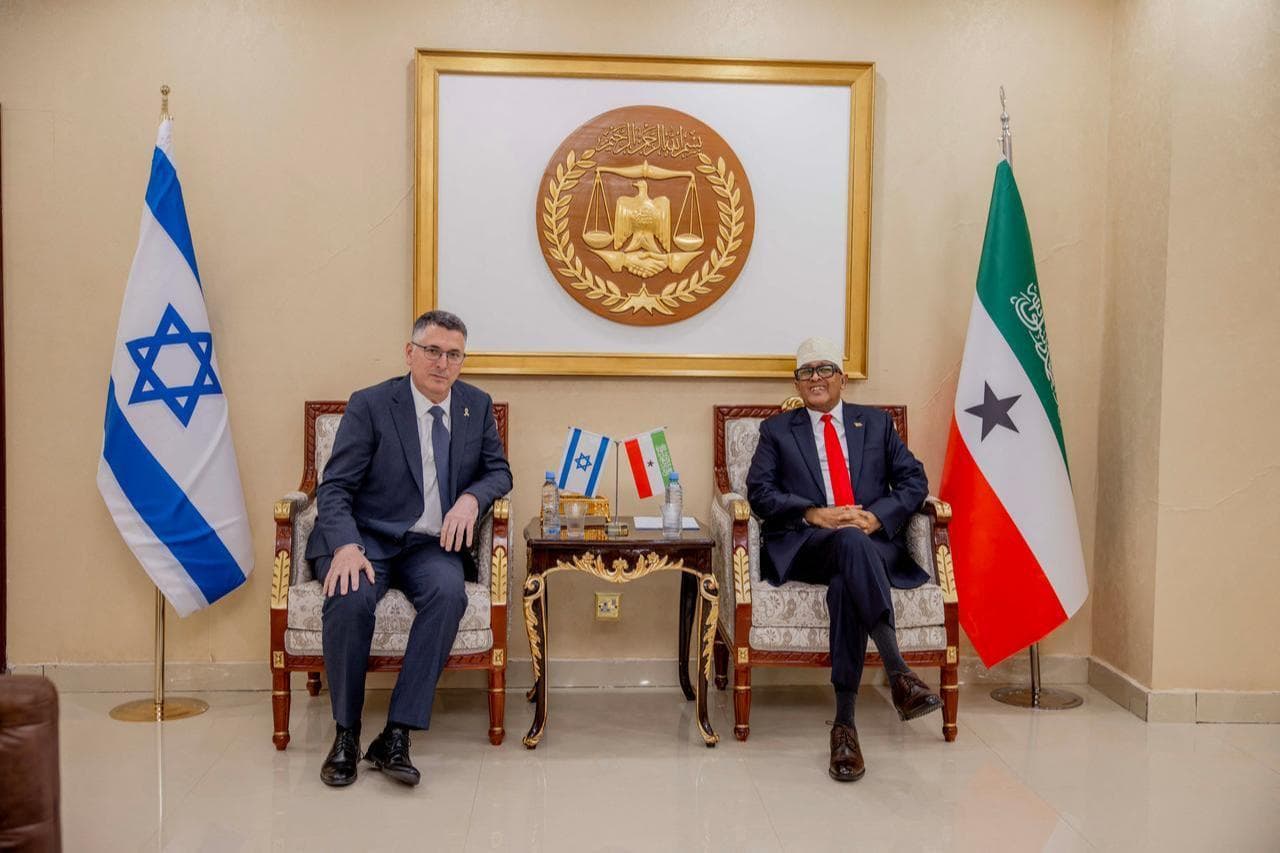
Additionally, there have been ongoing discussions between Israel and Somaliland regarding the establishment of a proposed Israeli military base at Berbera. This port city is already part of a network of military installations in the Red Sea and Gulf of Aden that are controlled by the UAE.
In a related development, a ship carrying Aidarous al-Zubaidi, the Yemeni southern separatist leader backed by the UAE, docked in Berbera last Thursday, further highlighting the complex geopolitical dynamics at play in the region.
Background
The decision to cancel agreements with the UAE reflects a broader context of strained relations between Somalia and the UAE. The UAE has been involved in various military and economic initiatives in Somalia, particularly in the development of port infrastructure. However, recent allegations of interference in Somalia"s internal affairs have led to increased tensions.
Somaliland, which operates with a degree of autonomy from the Somali federal government, has historically maintained a more favorable relationship with the UAE, viewing it as a crucial partner in regional development. The contrasting positions of the Somali federal government and the Somaliland administration underscore the complexities of governance and international relations within the country.

Image for Somalia cancels all agreements with UAE, affecting major ports
What"s Next
The cancellation of agreements with the UAE could have significant implications for Somalia"s economic and security landscape. The ports of Berbera, Bosaso, and Kismayo are vital for trade and logistics, and disruptions in operations could affect the broader economy. Furthermore, the withdrawal of UAE military support may alter the security dynamics in the region, particularly in relation to ongoing conflicts in neighboring countries like Sudan.
As Somalia navigates these challenges, the future of its relationships with both the UAE and other international partners remains uncertain. The developments in Berbera, particularly regarding potential Israeli military presence, will likely be closely monitored by regional and global stakeholders.
For more information on similar situations, see our previous reports on Somalia"s diplomatic relations.
![[Video] Heavy clashes between Syrian Arab Army and SDF militia in Al-Mardud](/_next/image?url=%2Fapi%2Fimage%2Fthumbnails%2Fthumbnail-1768257668705-bzba9s-thumbnail.jpg&w=3840&q=75)
![[Video] SDF/YPG militias deploy reinforcements to Deir Hafer front line](/_next/image?url=%2Fapi%2Fimage%2Fthumbnails%2Fthumbnail-1768257654986-e7coft-thumbnail.jpg&w=3840&q=75)
![[Video] Minneapolis Mayor Jacob Frey calls DHS agents' arrival an 'INVASION'](/_next/image?url=%2Fapi%2Fimage%2Fthumbnails%2Fthumbnail-1768258260467-z8ar1h-thumbnail.jpg&w=3840&q=75)