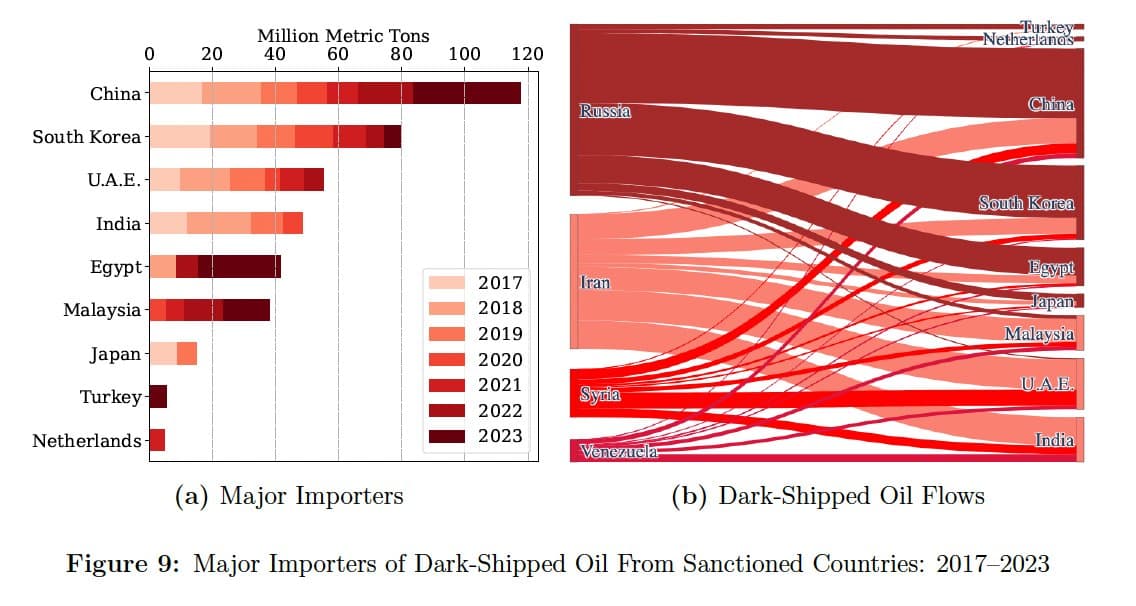
Study Reveals Dark Shipping Transported 9.3 Million Metric Tons of Oil Monthly from 2017 to 2023
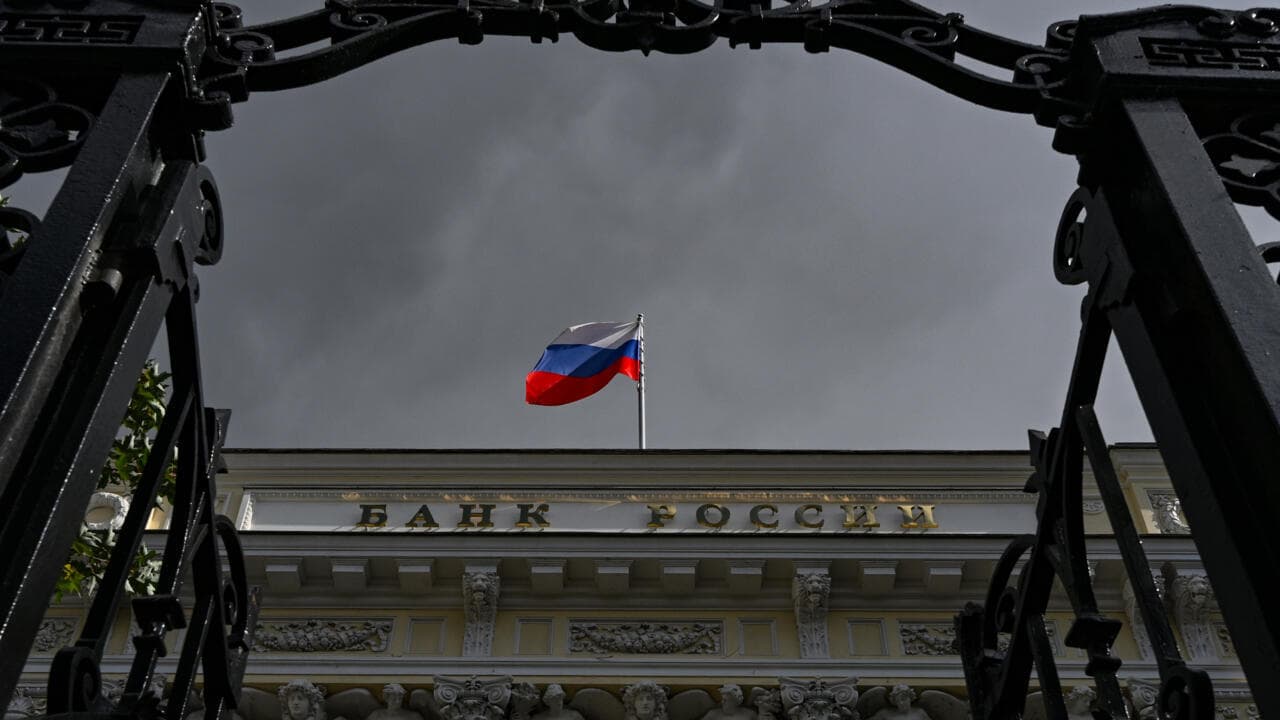
A recent study conducted by researchers Jeśus Ferńandez-Villaverde, Yiliang Li, Le Xu, and Francesco Zanetti has uncovered significant insights into the phenomenon of dark shipping, particularly in relation to the impact of Western oil sanctions on countries such as Iran, Syria, North Korea, Venezuela, and Russia. The study, published on July 3, 2025, explores the global macroeconomic consequences of oil tankers disabling their Automatic Identification System (AIS) transceivers to evade detection.
Key Details
The researchers utilized a machine learning-based clustering model to analyze worldwide crude oil flows facilitated by dark ships. Their findings indicate that from 2017 to 2023, these vessels transported an estimated 9.3 million metric tons of crude oil per month. This volume represents nearly half of the global seaborne oil exports, with China being the primary recipient, absorbing approximately 15% of the total shipments.
The study highlights that dark shipping plays a crucial role in rebalancing oil markets by mitigating supply shocks caused by sanctions. This occurs through the establishment of segmented markets and the costly reallocation of resources across different markets. The adjustments resulting from dark shipping have significant implications for global value chains, leading to divergent economic effects across various regions.
In the United States, which is classified as a net oil exporter, the influx of lower oil prices has a dual impact. While it dampens producer revenues, it is counterbalanced by the availability of cheaper inputs from China, fostering a deflationary, supply-driven growth environment. Conversely, the European Union, as a net importer of oil, faces higher energy costs due to the sanctions but benefits from reduced import prices and increased demand from China. This dynamic has led to robust output growth and moderate inflation within the EU.
China’s role as the primary recipient of discounted oil has further implications for its industrial production. The country has expanded its industrial output significantly, amplifying the effects of these dynamics on the global stage.
Background
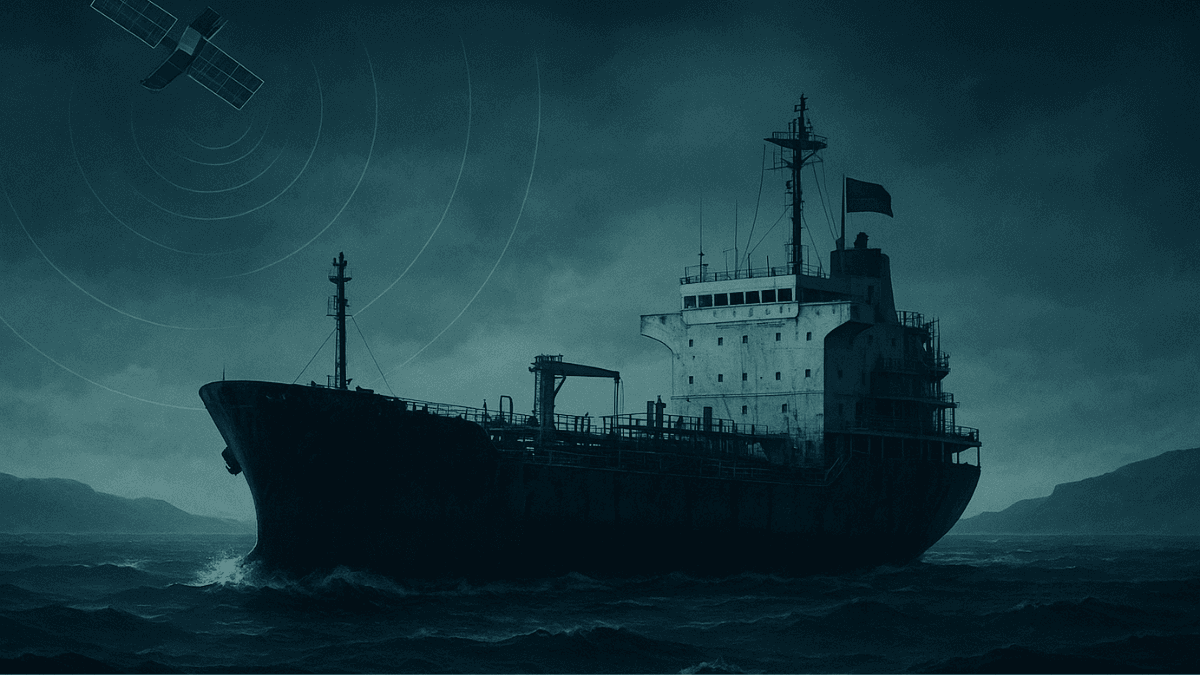
The concept of dark shipping has emerged as a response to the stringent oil sanctions imposed by Western nations on various countries. By disabling AIS transceivers, oil tankers can operate without detection, allowing them to continue transporting oil despite international restrictions. This practice has raised concerns about the effectiveness of sanctions and the broader implications for global oil markets.
As previously reported, the geopolitical landscape surrounding oil sanctions has been complex, with countries like Venezuela and Iran facing severe economic challenges due to these restrictions. The study sheds light on how dark shipping not only undermines these sanctions but also reshapes the global oil trade.
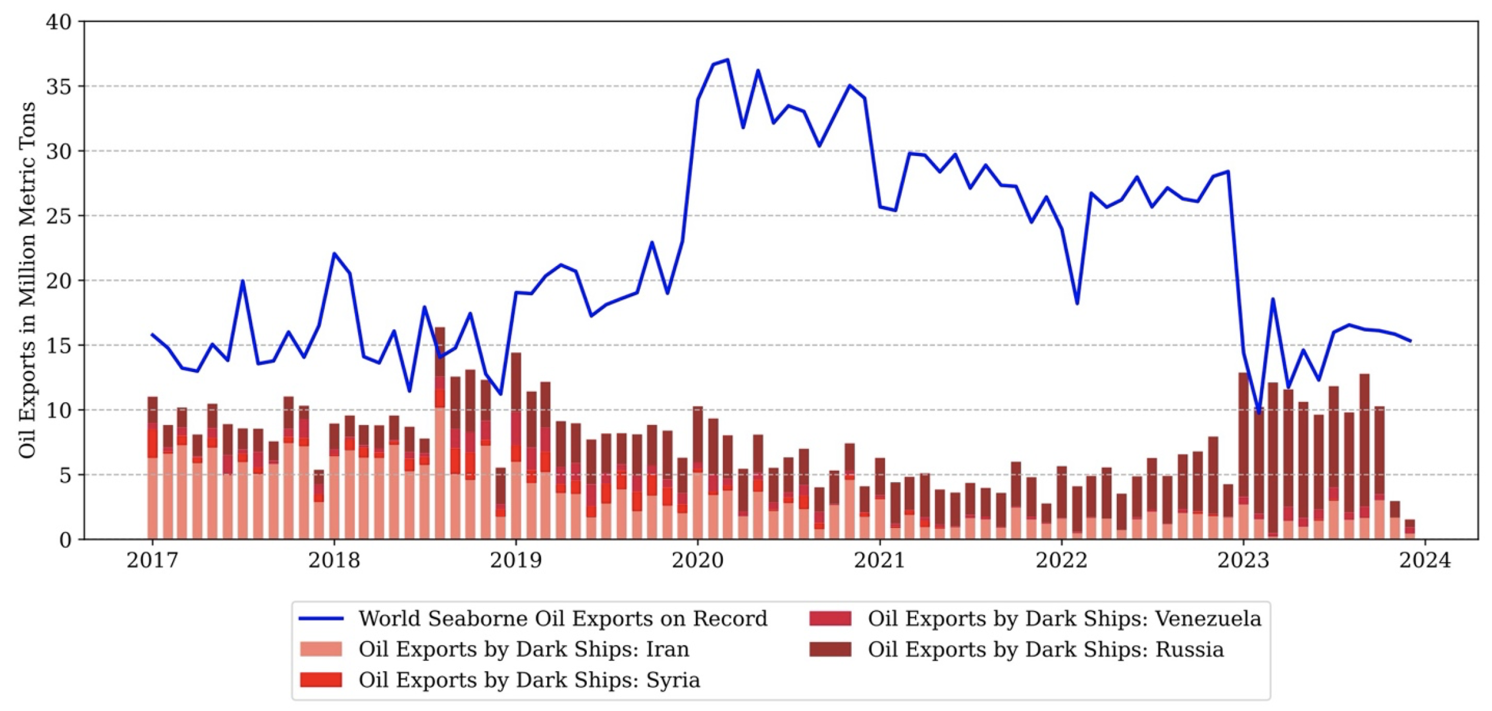
Image for Study reveals dark shipping transported 9.3 million metric tons of oil monthly from 2017 to 2023
Impact
The findings of this study underscore the unintended consequences of oil sanctions, revealing how dark shipping can alter market dynamics and economic outcomes across different regions. As countries continue to navigate the challenges posed by sanctions and the evolving landscape of global oil trade, the implications of dark shipping will likely remain a critical area of focus for policymakers and economists alike.
For more information on related developments, see our coverage on recent developments in AI regulation.

![[Video] Terrorist attack at Bondi Beach kills 10, injures dozens during Hanukkah event](/_next/image?url=%2Fapi%2Fimage%2Fthumbnails%2Fthumbnail-1765707643006-2pk18t-thumbnail.jpg&w=3840&q=75)