Syrian Regime Cancels Offensive Plans in Aleppo, Shifts Focus to Qubtan al-Jabal
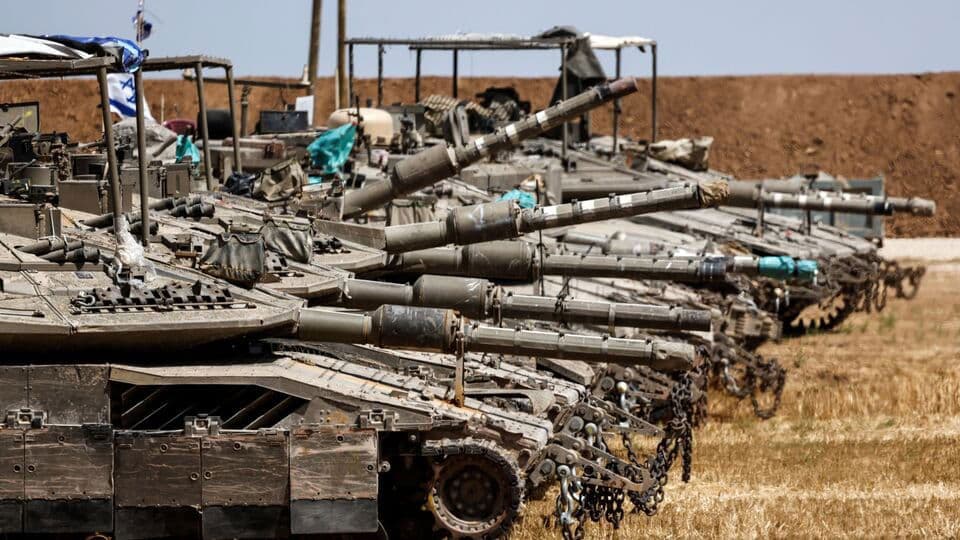
In a significant shift in military strategy, the Syrian regime, led by President Ahmad al-Shara’, has canceled its planned offensive in the Aleppo region, which was set to target the liberation forces from Saraqib to Bastarun. This decision comes just days before the anticipated operation, which was to involve over 22,000 soldiers, 300 tanks, and 700 pieces of artillery and rocket launchers. The regime had prepared to absorb the attack and subsequently strike back from two fronts: the 46th Regiment at Atarib and Kafr Karmin, and the Kafr Halab region, which includes Kafr Nuran and Hazano.
Key Details
The regime"s military buildup was aimed at cutting off the Bab al-Hawa highway, a crucial supply route, and dividing the liberated areas in two by taking control of the Kafr Karmin mountains. The planned offensive was intended to commence shortly, but President al-Shara’ opted to redirect efforts to the Qubtan al-Jabal axis instead, launching what has been termed Operation ‘Deterrence of Aggression’.
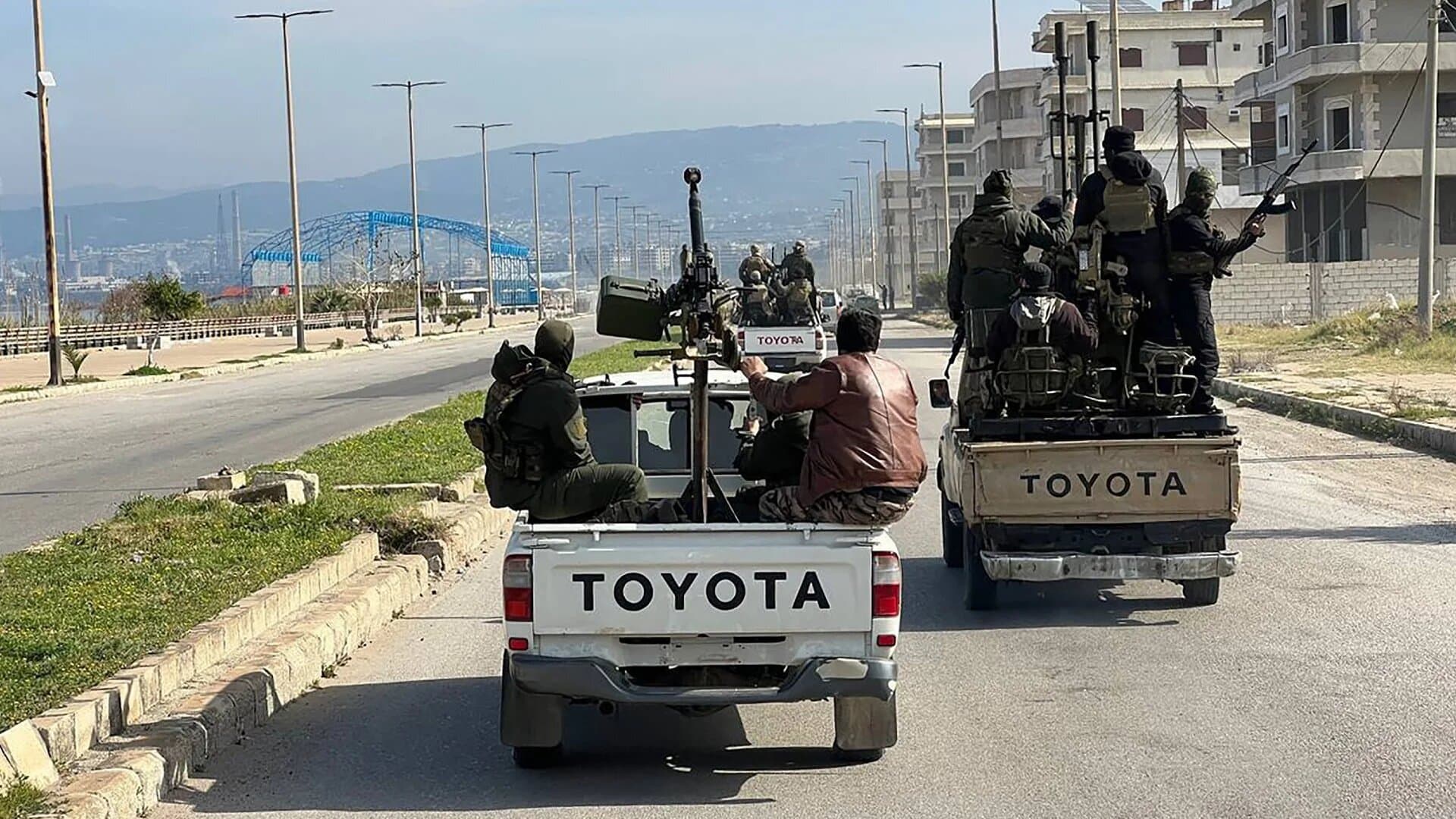
As the battle commenced on the Qubtan al-Jabal axis, the regime initially perceived this as a diversionary tactic. They remained focused on the fronts they had prepared for, underestimating the scale and impact of the offensive that was unfolding. This miscalculation allowed the liberation forces to gain significant ground, leading to the rapid fall of most of the western Aleppo countryside. Following this, encirclement and grinding operations began, further consolidating the gains made by the opposition forces.
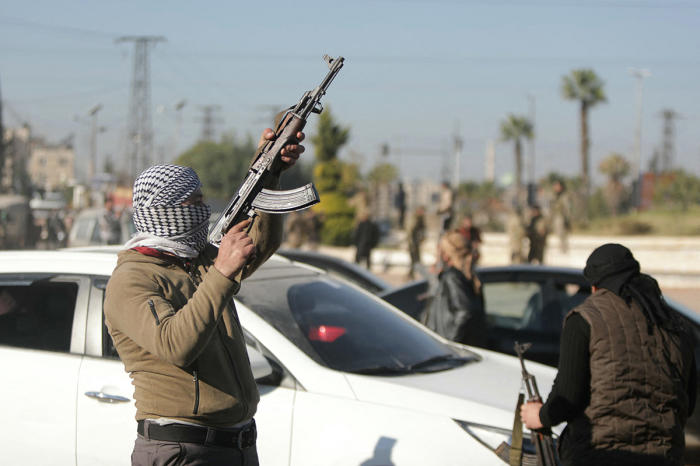
Image for Syrian regime cancels offensive plans in Aleppo, shifts focus to Qubtan al-Jabal
Background
The Syrian civil war, which has been ongoing since 2011, has seen various factions vying for control over different regions of the country. The Aleppo province has been a focal point of conflict, with both the regime and opposition forces engaging in numerous battles over strategic locations. The Bab al-Hawa highway has been particularly significant, serving as a vital supply line for opposition forces. The regime"s military strategy has often involved large-scale offensives aimed at reclaiming lost territory, but the recent shift in focus to the Qubtan al-Jabal axis indicates a potential reevaluation of tactics in response to the evolving battlefield dynamics.
What"s Next
The implications of this strategic shift could be profound for the ongoing conflict in Syria. The success of the liberation forces in the western Aleppo countryside may embolden them and other opposition groups, potentially leading to further offensives in the region. Conversely, the regime"s decision to cancel its planned offensive could signify a need for reassessment of its military capabilities and strategies in light of recent developments. As the situation continues to unfold, the international community will be closely monitoring the developments in Aleppo and the broader implications for stability in Syria.
For more on related international developments, see our coverage on the recent developments in Venezuela, where significant political changes are also taking place.
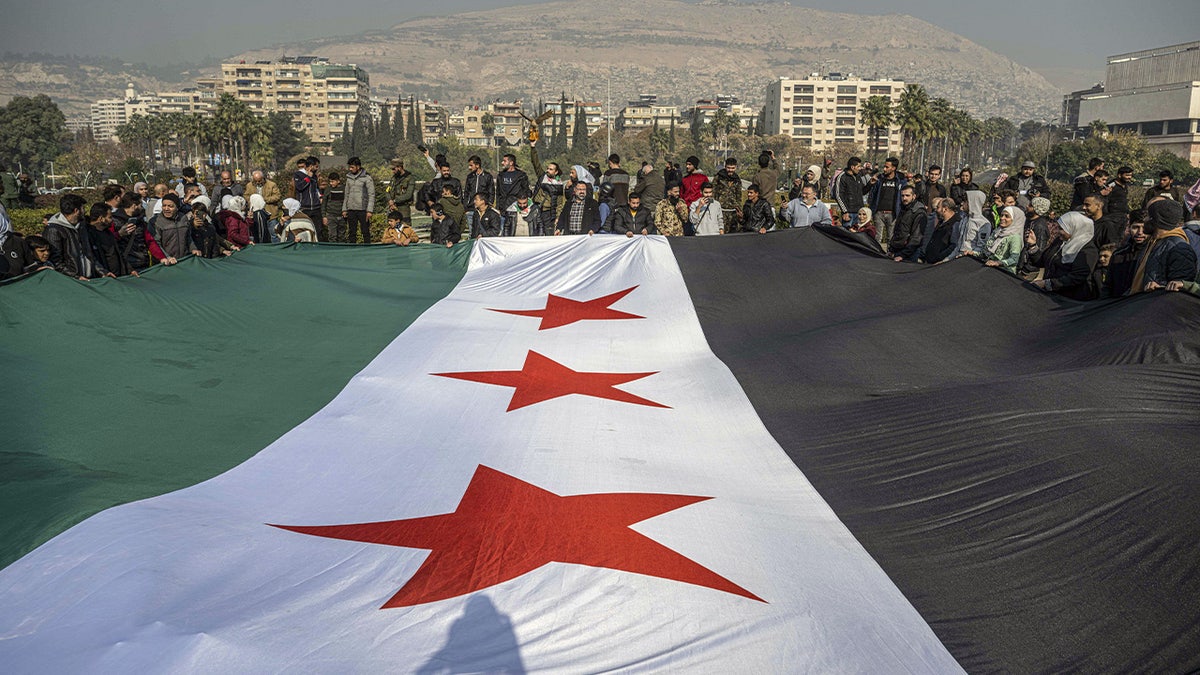
Image for Syrian regime cancels offensive plans in Aleppo, shifts focus to Qubtan al-Jabal