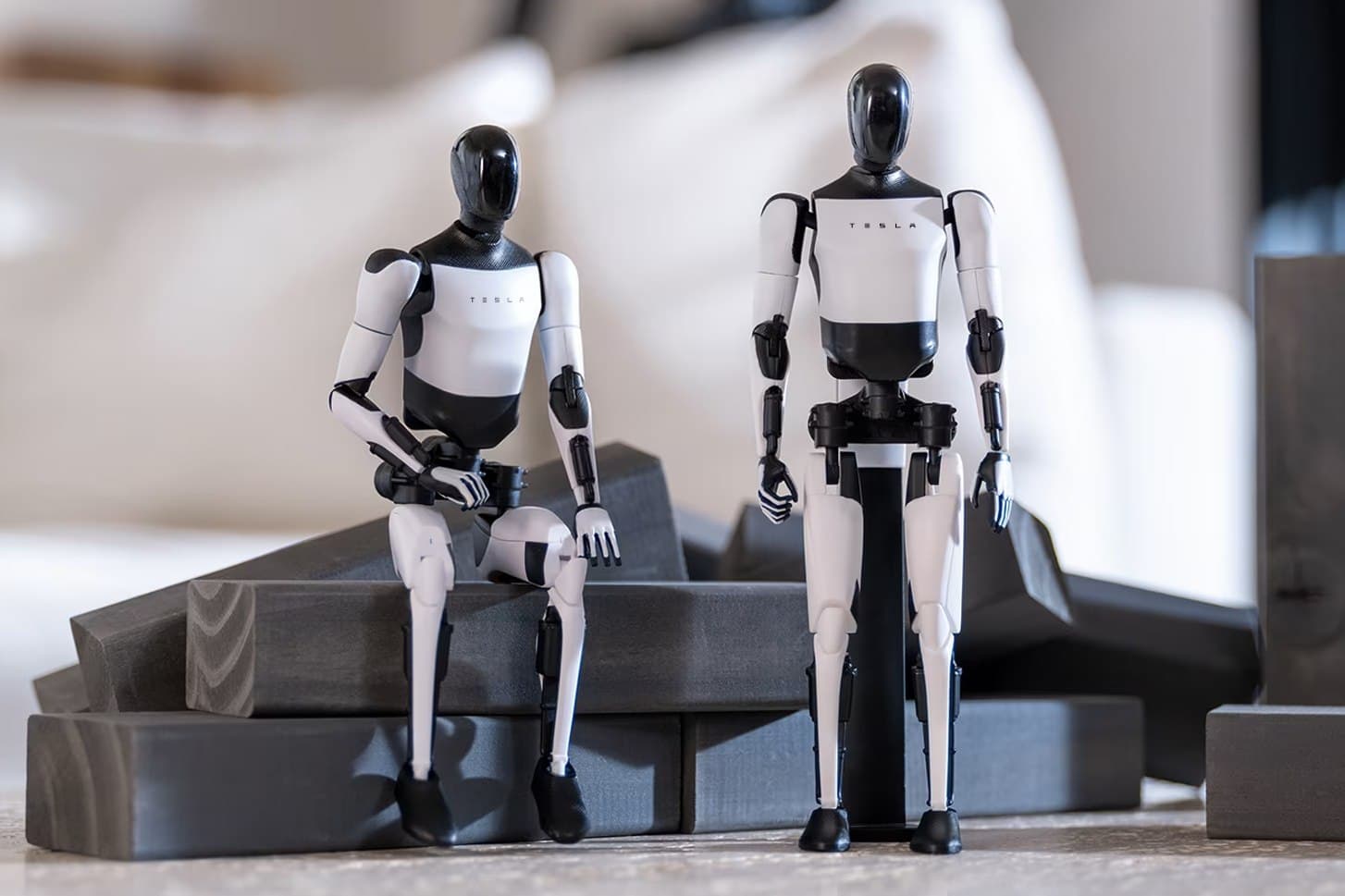
Trump Administration Targets Humanoid Robotics Development for 2026
In a significant move to bolster the United States" leadership in emerging technologies, President Donald J. Trump and Commerce Secretary Howard Lutnick have announced a strategic pivot towards humanoid robotics, set to be fully operational by 2026. This initiative aims to enhance the country"s capabilities in industrial automation and manufacturing, particularly in response to growing competition from global players such as China.
Key Details
The announcement comes as part of a broader effort by the Trump administration to accelerate advancements in artificial intelligence and robotics. Recent executive actions have laid the groundwork for this initiative, which includes plans for a dedicated executive order that will fast-track the development and deployment of humanoid robotics technologies.
President Trump has emphasized the importance of maintaining U.S. leadership in technology, particularly in sectors that are critical for national security and economic growth. The administration"s focus on humanoid robotics is seen as a strategic response to the rapid advancements made by other nations, particularly China, in the field of industrial automation.
Commerce Secretary Howard Lutnick, who has been instrumental in shaping the administration"s technology policy, stated that the U.S. must "stay ahead of the curve" in robotics to ensure that American industries remain competitive on a global scale. The proposed executive order is expected to streamline regulatory processes, making it easier for companies to innovate and bring new robotic technologies to market.
Background
The push towards humanoid robotics aligns with the administration"s previous efforts to enhance the nation"s technological infrastructure. In recent months, the Trump administration has taken steps to promote artificial intelligence, recognizing its potential to transform various sectors, including manufacturing, healthcare, and transportation. The integration of humanoid robots into these industries could lead to increased efficiency, reduced labor costs, and improved safety.
This initiative also reflects a broader trend in the global economy, where countries are investing heavily in robotics and automation to boost productivity and economic growth. As previously reported, nations like China have made significant strides in this area, prompting the U.S. to reevaluate its strategies to maintain a competitive edge.
What"s Next
Looking ahead, the Trump administration"s focus on humanoid robotics is expected to have far-reaching implications for the U.S. economy and workforce. By 2026, the administration aims to have established a robust framework for the development and integration of humanoid robots across various industries. This could potentially lead to the creation of new jobs in robotics design, programming, and maintenance, even as some traditional roles may be displaced by automation.
As the U.S. moves forward with this initiative, stakeholders from various sectors, including technology companies, labor organizations, and policymakers, will need to engage in discussions about the ethical implications and workforce transitions associated with increased automation. The administration"s commitment to humanoid robotics represents not only a technological advancement but also a pivotal moment in shaping the future of work in America.
For more information on related developments, see our article on Trump and Lutnick"s pivot toward humanoid robotics.
![[Video] China's Unitree Robotics unveils H2 humanoid robot's boxing skills](/_next/image?url=%2Fapi%2Fimage%2Fthumbnails%2Fthumbnail-1765290121473-srdx7-thumbnail.jpg&w=3840&q=75)


