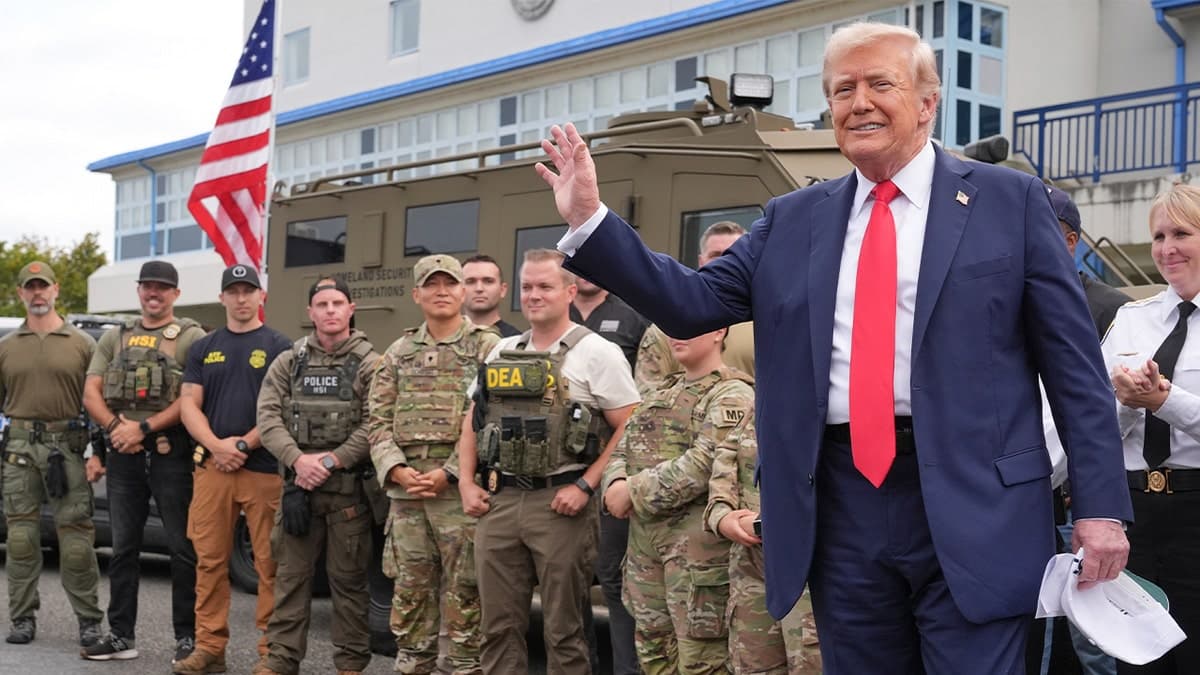
Trump Announces National Security Strategy to Strengthen America
On December 5, 2025, President Donald J. Trump unveiled a comprehensive National Security Strategy aimed at fortifying the United States" position as a leading global power. This announcement, made from the White House, emphasizes the administration"s commitment to "putting America First" in all aspects of governance and policy-making.
Key Details
President Trump stated that the National Security Strategy serves as a roadmap to build upon the "extraordinary strides" made during his administration. He asserts that this document is essential for ensuring that America remains "the greatest and most successful nation in human history" and the "home of freedom on earth." The strategy outlines plans to enhance various dimensions of national strength, including safety, economic prosperity, and global influence.
In his remarks, Trump highlighted the administration"s ongoing efforts to make America "safer, richer, freer, greater, and more powerful than ever before." This statement underscores a multi-faceted approach to national security that encompasses not only military readiness but also economic growth and the protection of civil liberties.
The National Security Strategy is expected to detail specific initiatives and policies that will be pursued in the coming years to achieve these ambitious goals. While the full document is accessible online, the President"s remarks provide a high-level overview of the administration"s priorities moving forward.
Background
The announcement of this National Security Strategy comes at a time when the United States faces numerous challenges on both domestic and international fronts. Issues such as geopolitical tensions, economic competition, and cybersecurity threats have prompted the need for a cohesive and robust national security framework. The strategy aims to address these challenges while reinforcing America"s role as a leader in global affairs.
Historically, national security strategies have been pivotal in shaping U.S. foreign and domestic policy. They provide a comprehensive assessment of threats and opportunities, guiding decision-making processes across various government agencies. The previous strategies have focused on counterterrorism, military readiness, and international alliances, setting the stage for the current administration"s approach.
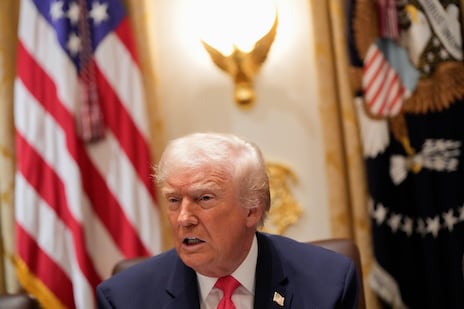
Image for Trump announces National Security Strategy to strengthen America
What"s Next
As the Trump administration moves forward with the implementation of this National Security Strategy, it is anticipated that various sectors, including defense, intelligence, and economic policy, will be impacted. The administration"s focus on enhancing national strength may lead to increased funding for military initiatives, expanded trade agreements, and new measures to protect American interests abroad.
Moreover, the strategy"s emphasis on making America "safer" and "richer" suggests potential reforms in domestic policies aimed at improving public safety and economic stability. The administration"s commitment to freedom and prosperity will likely resonate with its supporters as it seeks to solidify its legacy in American governance.
For further insights into related developments, readers may refer to recent developments in military policy or explore similar situations regarding state-level economic initiatives.
As the National Security Strategy unfolds, it will be crucial to monitor its implications for both national and international landscapes, as well as its reception among various stakeholders within the United States.


![[Video] Trump says Maduro's days are numbered](/_next/image?url=%2Fapi%2Fimage%2Fthumbnails%2Fthumbnail-1765281043359-41su2c-thumbnail.jpg&w=3840&q=75)


