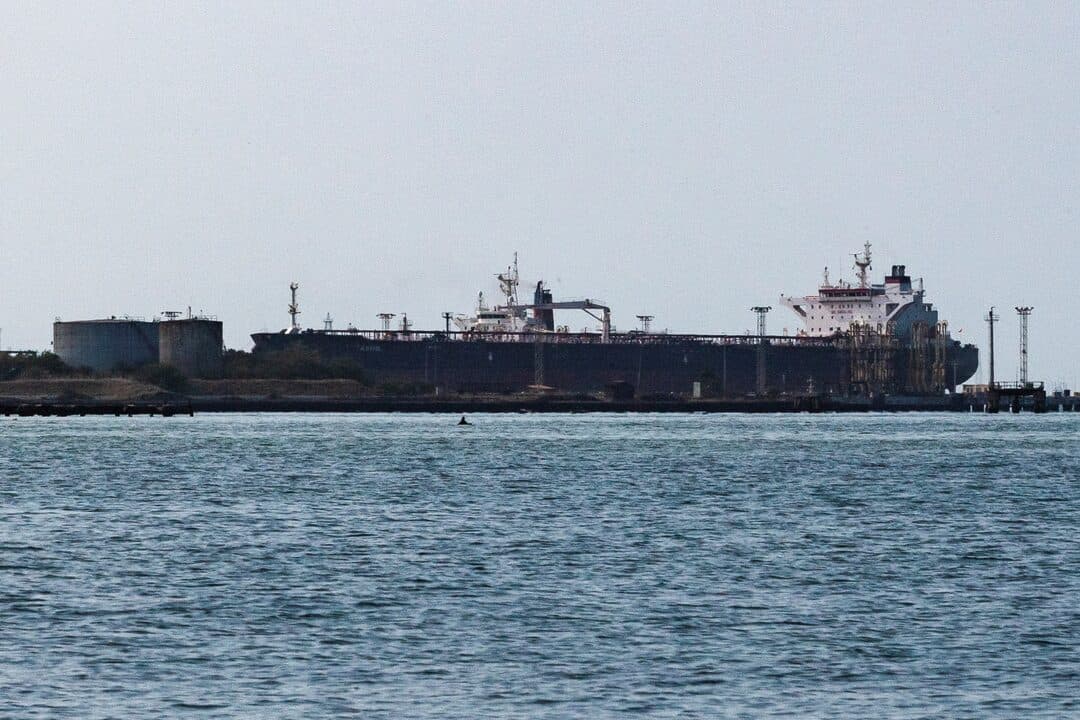
Trump Orders Total Blockade of Sanctioned Oil Tankers to Venezuela
Author: James Mitchell
Date: December 16, 2025
In a significant escalation of U.S. foreign policy regarding Venezuela, former President Donald Trump announced a total blockade of all sanctioned oil tankers entering or leaving the South American nation. This directive was made public through a post on his social media platform, Truth Social, where he outlined the rationale behind the blockade and the broader implications for U.S.-Venezuela relations.
Key Details
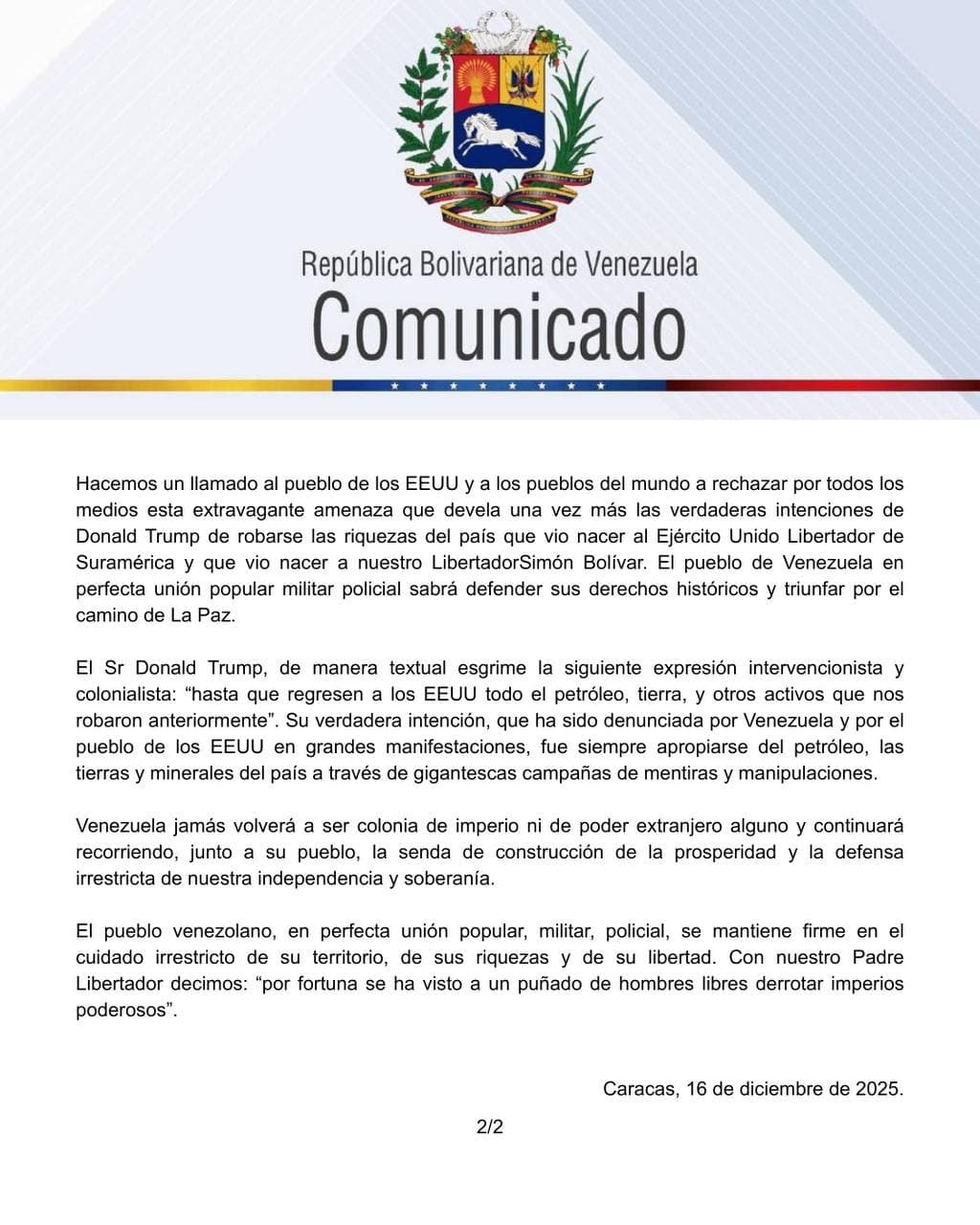
Trump"s announcement highlighted that Venezuela is currently surrounded by what he described as "the largest Armada ever assembled in the History of South America." He indicated that this naval presence would continue to grow, suggesting a robust military response to the Venezuelan government"s actions. The blockade is aimed at preventing the Venezuelan government, led by President Nicolás Maduro, from utilizing oil resources that Trump claims were "stolen" from the United States.
In his statement, Trump accused the Maduro regime of financing various criminal activities, including drug terrorism, human trafficking, murder, and kidnapping, through the exploitation of these oil fields. He stated, "The illegitimate Maduro Regime is using Oil from these stolen Oil Fields to finance themselves." This assertion aligns with the U.S. government"s designation of the Venezuelan regime as a "FOREIGN TERRORIST ORGANIZATION," a classification that underscores the severity of the allegations against Maduro"s government.
Trump"s post also addressed the issue of illegal immigration, claiming that the Maduro regime has sent "Illegal Aliens and Criminals" into the United States during what he characterized as the "weak and inept Biden Administration." He asserted that these individuals are being returned to Venezuela at a rapid pace, reinforcing his administration"s stance on border security and immigration enforcement.
Background
The blockade represents a continuation of U.S. sanctions against Venezuela, which have been in place for several years due to the country"s human rights abuses and the erosion of democratic institutions under Maduro"s leadership. The U.S. has previously imposed sanctions on the Venezuelan oil industry, which is a critical source of revenue for the Maduro government. The sanctions aim to pressure the regime into political reforms and to address allegations of corruption and human rights violations.
Venezuela"s economy has been in freefall for years, exacerbated by U.S. sanctions and internal mismanagement. The country, once one of the wealthiest in Latin America due to its vast oil reserves, has faced hyperinflation, widespread poverty, and a humanitarian crisis that has led millions to flee the country.

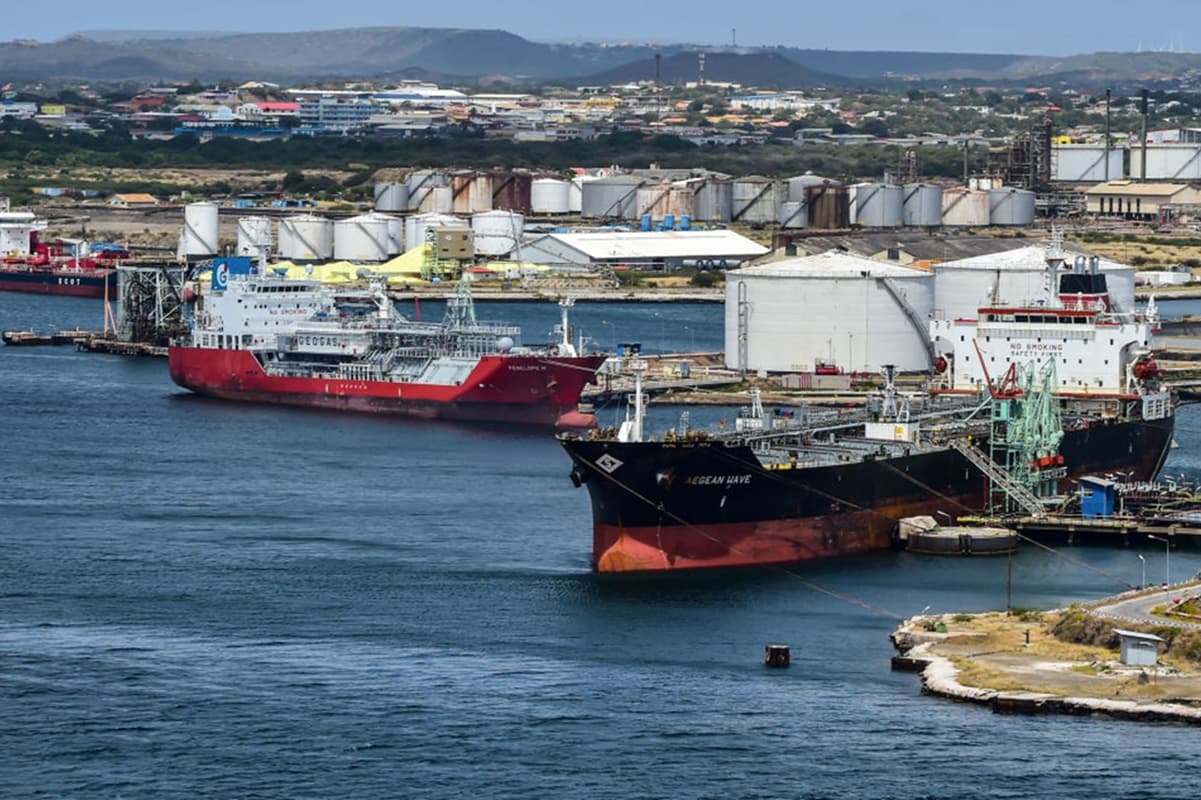
Image for Trump orders total blockade of sanctioned oil tankers to Venezuela
What"s Next
The implications of Trump"s blockade are significant. It signals a potential increase in military presence in the region and a hardening of U.S. policy towards Venezuela. The blockade could further isolate the Maduro regime economically, potentially leading to increased tensions in the region. As previously reported, the U.S. has been actively involved in diplomatic efforts to address the crisis in Venezuela, but this new directive may complicate those efforts and escalate confrontations between U.S. forces and Venezuelan naval assets.
As the situation develops, it will be crucial to monitor the responses from both the Venezuelan government and the international community regarding this blockade and its broader implications for U.S.-Latin America relations.
For more on related coverage, see recent developments in U.S. trade relations.

![[Video] Trump says he brought notes for speech due to his support for Israel](/_next/image?url=%2Fapi%2Fimage%2Fthumbnails%2Fthumbnail-1765938647912-zz610f-thumbnail.jpg&w=3840&q=75)