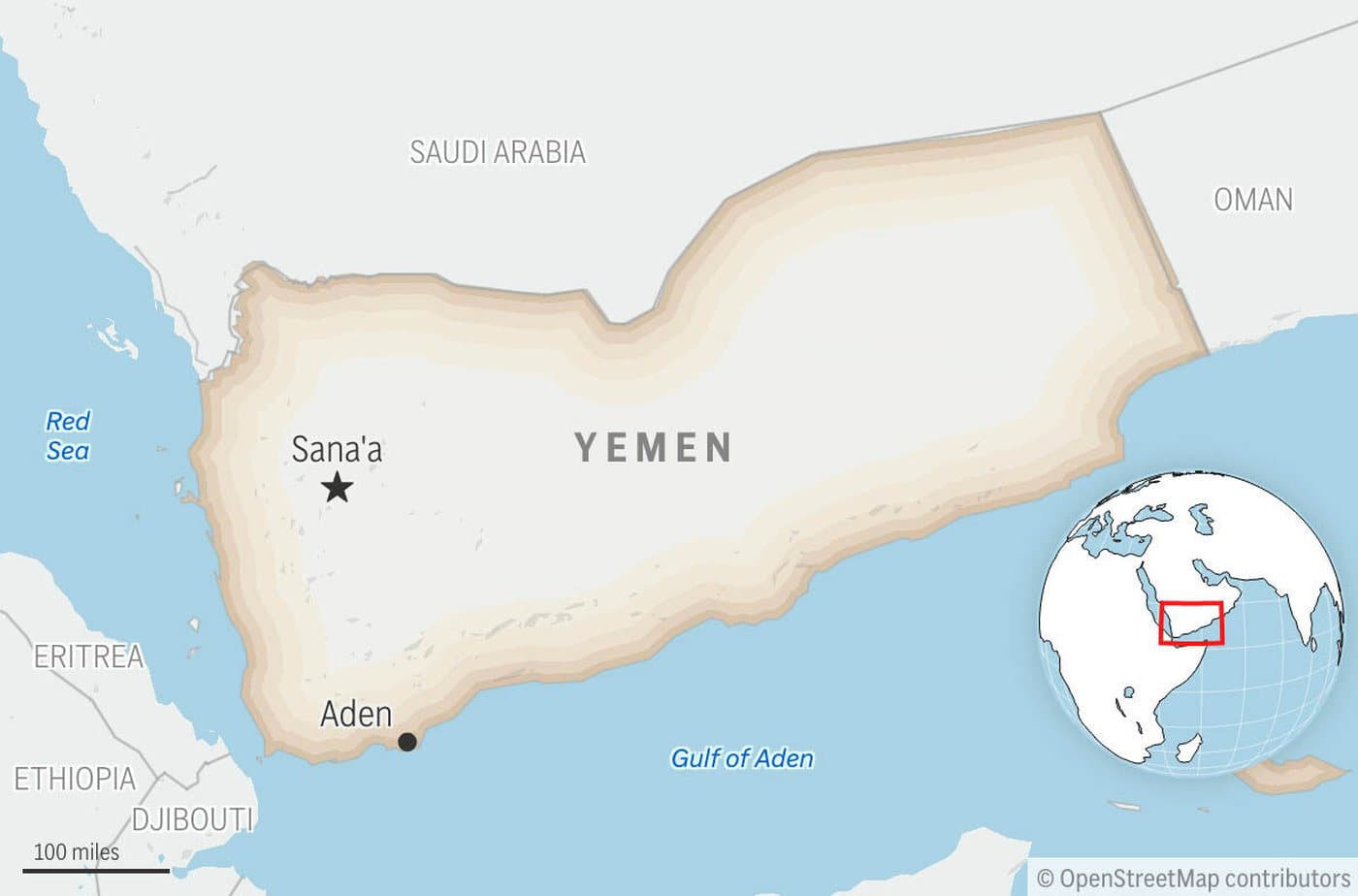
UAE-backed Southern Transitional Council Announces Full Dissolution
On Friday, January 9, 2026, the Presidency of the UAE-backed Southern Transitional Council (STC) declared the complete dissolution of the council, including all its main and subsidiary institutions, and the closure of all its offices both domestically and internationally. This significant announcement follows a recent meeting held by the council"s leadership to address escalating tensions in the Hadramout and Al-Mahra governorates.
Key Details
The decision to dissolve the Southern Transitional Council was made during a meeting that included the council"s Presidency, Supreme Executive Leadership, General Secretariat, and affiliated bodies. This meeting was convened to evaluate the recent unrest in the governorates of Hadramout and Al-Mahra, which has been marked by a rejection of de-escalation efforts and has led to serious repercussions for the region.
In the statement issued by the council, it was noted that the Saudi Arabian Ministry of Foreign Affairs had expressed its commitment to sponsoring a Southern dialogue aimed at resolving the Southern issue. This indicates the Kingdom"s ongoing involvement and interest in stabilizing the region.
The council emphasized that its original purpose was to advocate for the Southern cause and represent the aspirations of the Southern people. However, they acknowledged that the council"s continued existence no longer served this purpose, particularly in light of a military operation in Hadramout and Al-Mahra that the council did not endorse. This operation reportedly harmed Southern unity and strained relations with the Saudi-led Coalition, which has historically provided substantial political, economic, and military support to the region.
As part of the dissolution, the council expressed its commitment to pursuing the Southern cause through a planned comprehensive Southern Conference, which will be conducted under the auspices of the Kingdom of Saudi Arabia. The council praised Saudi Arabia for its clear commitments and concern for the Southern cause, emphasizing the need for solutions that align with the aspirations of the Southern people.
The council called upon influential figures and leaders in the South to participate in the upcoming Southern Dialogue Conference, with the hope that a unified vision and framework could be established to address the Southern cause effectively. They urged the people of the South, particularly in the capital Aden and other governorates, to recognize the critical nature of the current situation and to unite efforts to maintain stability and protect their achievements.
Background
The Southern Transitional Council was established to represent the interests of the Southern population in Yemen, advocating for their right to self-determination and state restoration. The council"s dissolution marks a pivotal moment in the ongoing conflict in Yemen, where various factions have vied for power amid a protracted civil war that has drawn in regional powers, including Saudi Arabia and the United Arab Emirates.
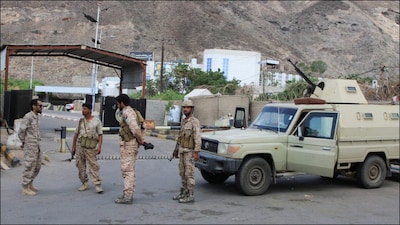
Image for UAE-backed Southern Transitional Council announces full dissolution and closure of all offices
What"s Next
Moving forward, the STC"s dissolution sets the stage for the comprehensive Southern Conference, which aims to facilitate dialogue among Southern leaders and stakeholders. This conference is expected to play a crucial role in shaping the future political landscape of the South and addressing the aspirations of its people. The council"s leadership has reiterated its commitment to serving the legitimate cause of the Southern people and achieving their goals in accordance with their will.
As the situation develops, the involvement of Saudi Arabia will likely remain a key factor in the peace process and the stabilization of the region. The council"s dissolution could lead to new political dynamics in Southern Yemen, as various factions may seek to fill the void left by the STC.
For more information on related developments, see our coverage on recent developments in international politics.
![[Video] Antifa breaches hotel doors in Minneapolis, begins destroying lobby](/_next/image?url=%2Fapi%2Fimage%2Fthumbnails%2Fthumbnail-1768016467294-f3vk3j-thumbnail.jpg&w=3840&q=75)

![[Video] Anti-ICE Protester spits on security guard outside Canopy by Hilton Hotel](/_next/image?url=%2Fapi%2Fimage%2Fthumbnails%2Fthumbnail-1768018861555-nlai59-thumbnail.jpg&w=3840&q=75)
![[Video] Anti-ICE Protesters briefly mob police car in downtown Minneapolis](/_next/image?url=%2Fapi%2Fimage%2Fthumbnails%2Fthumbnail-1768018299471-icyct-thumbnail.jpg&w=3840&q=75)
![[Video] Minneapolis Police Chief O’Hara attacked by anti-ICE rioters](/_next/image?url=%2Fapi%2Fimage%2Fthumbnails%2Fthumbnail-1768017695156-omhdfv-thumbnail.jpg&w=3840&q=75)