U.S. Forces Attempt to Seize Russian-Flagged Tanker Marinera in Atlantic
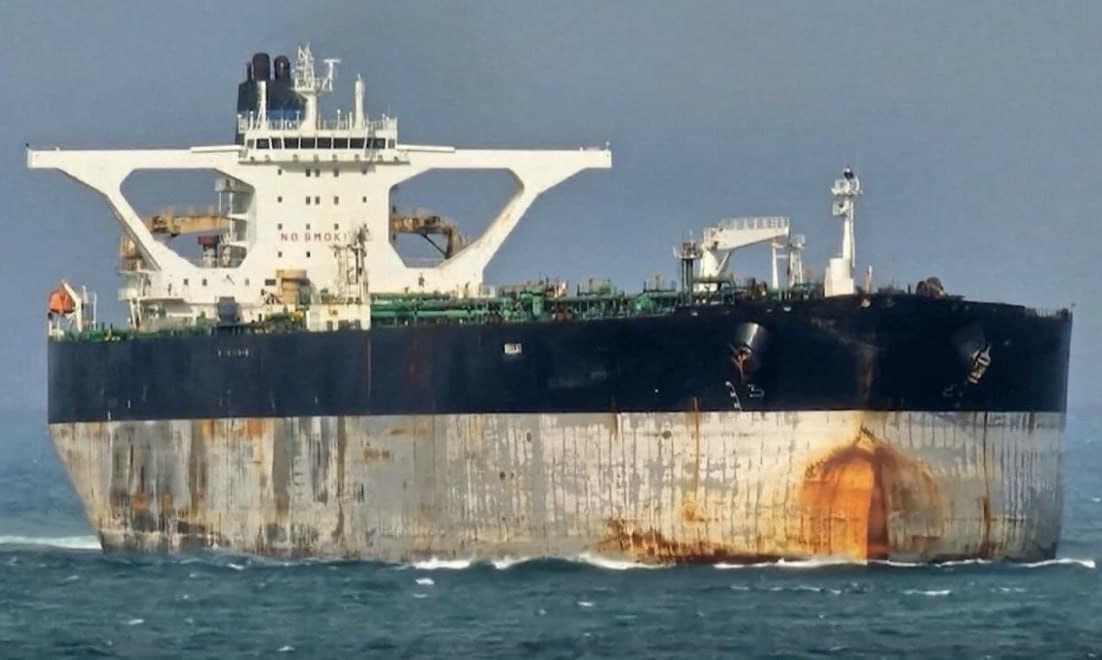
On January 7, 2026, U.S. military forces initiated an operation to seize the Russian-flagged tanker Marinera, previously known as Bella 1, in the Atlantic Ocean. This operation is being closely monitored by the U.S. Coast Guard and P-8 surveillance aircraft, which are currently tracking the vessel south of Iceland.
Key Details
The Marinera, which recently re-flagged from Guyana to Russia mid-voyage, is reportedly attempting to claim state protection under Russian law in order to evade seizure by U.S. forces. The change in flag is a strategic move that reflects ongoing tensions in international maritime law and the geopolitical landscape.
In response to the U.S. operation, the Russian government has reportedly deployed a submarine and additional naval assets to protect the tanker. This escalation could mark a significant moment in U.S.-Russia relations, potentially leading to the first direct naval confrontation between the two countries in 2026.
U.S. officials have indicated that their intention is to seize the vessel rather than sink it, which underscores the seriousness of the operation and the potential for diplomatic fallout. The U.S. has previously taken similar actions against vessels linked to illegal oil shipments, as seen in recent developments regarding the Bella 1 tanker.
Background
The Marinera"s re-flagging from Guyana to Russia raises questions about the legality of its operations and the implications for international shipping laws. The vessel"s previous registration under Guyana, a country that has been involved in various maritime disputes, adds complexity to the situation. The U.S. has been actively monitoring vessels suspected of carrying oil illegally, particularly those linked to countries under sanctions.
This incident is part of a broader context of rising tensions between the U.S. and Russia, particularly concerning maritime operations and the enforcement of international sanctions. The U.S. government has previously launched operations to take control of vessels linked to Venezuela, highlighting a pattern of aggressive maritime enforcement in the region.
What"s Next
The situation surrounding the Marinera is still developing, and the potential for confrontation remains high. The deployment of Russian naval assets to protect the tanker indicates that Moscow is prepared to respond to U.S. actions, which could escalate tensions further. As the U.S. Coast Guard and military continue to monitor the situation, the international community is watching closely to see how this standoff will unfold.
In summary, the attempt to seize the Marinera represents a critical moment in U.S.-Russia relations and highlights ongoing challenges in enforcing international maritime law. The outcome of this operation could have significant implications for future interactions between the two nations at sea.
![[Video] European Parliament President Roberta Metsola supports brave people of Iran](/_next/image?url=%2Fapi%2Fimage%2Fthumbnails%2Fthumbnail-1767894048709-c5ic1l-thumbnail.jpg&w=3840&q=75)
![[Video] Syrian Army amassing armored reinforcements for Ashrafiyeh entry](/_next/image?url=%2Fapi%2Fimage%2Fthumbnails%2Fthumbnail-1767893440685-xc2aqk-thumbnail.jpg&w=3840&q=75)
![[Video] Heavy clashes continue between Syrian Army and SDF in northern Aleppo](/_next/image?url=%2Fapi%2Fimage%2Fthumbnails%2Fthumbnail-1767891040727-tfttyve-thumbnail.jpg&w=3840&q=75)