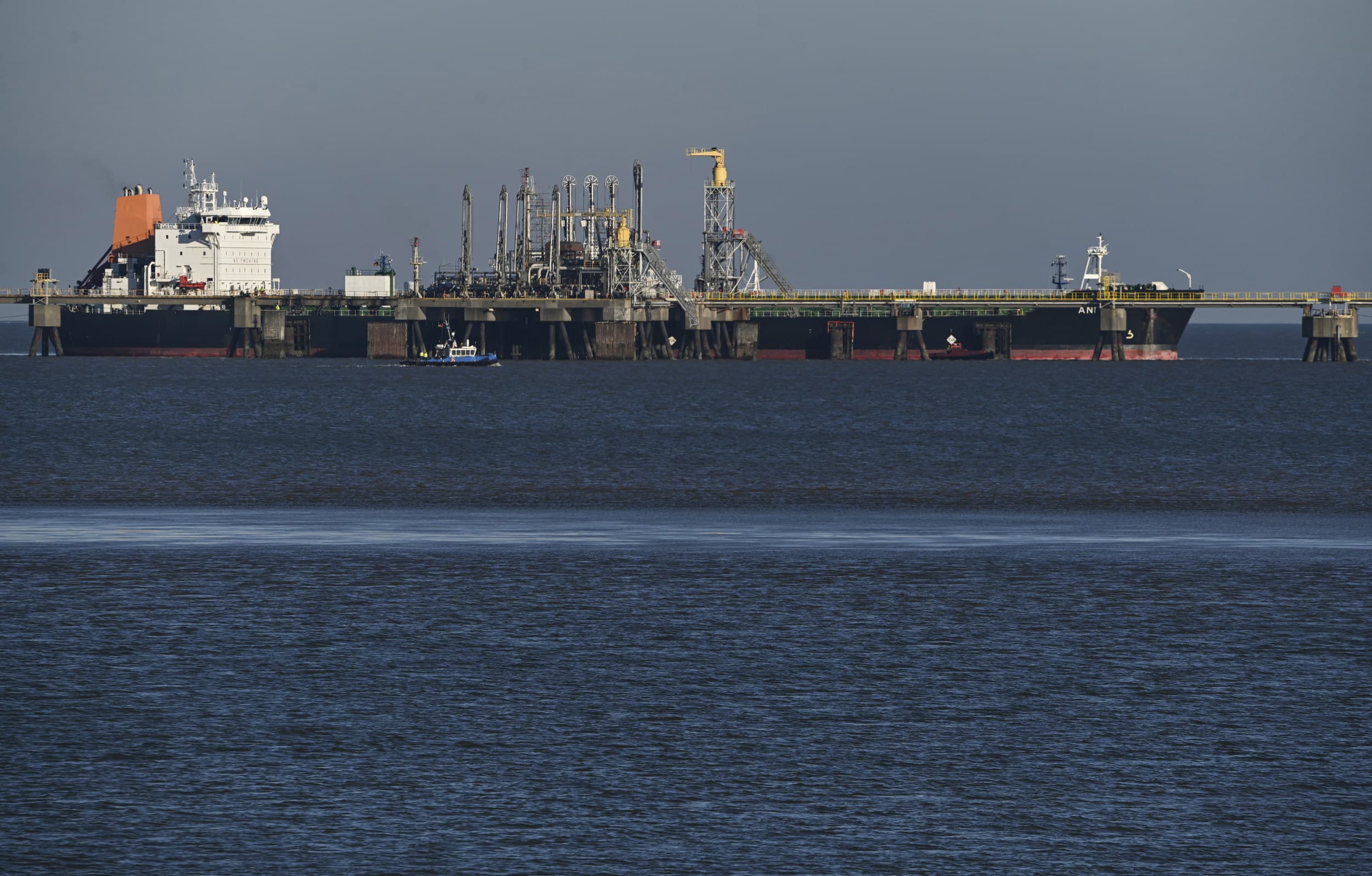
US Naval Forces Board Russian Tanker "Mariner" in Open Sea
In a significant maritime incident, the Russian Ministry of Transport reported that US naval forces boarded the tanker "Mariner" in the Atlantic Ocean on January 7, 2026. The vessel had received a temporary permit to operate under the Russian flag on December 24, 2025, in compliance with both Russian legislation and international law. The boarding occurred at approximately 15:00 Moscow time, while the tanker was situated in international waters, beyond the territorial jurisdiction of any state. Following the boarding, communication with the vessel was lost.
Key Details
The tanker "Mariner" was granted its temporary sailing permit by the Russian authorities, indicating its compliance with the necessary legal frameworks. This permit was issued in accordance with the regulations set forth by the Russian government, as well as international maritime law. The United Nations Convention on the Law of the Sea, established in 1982, outlines the principle of freedom of navigation on the high seas, which asserts that no state has the authority to use force against vessels that are duly registered under the jurisdiction of another state.
At the time of the incident, the "Mariner" was operating in open sea, which is defined as waters that are not under the jurisdiction of any nation. This context is crucial, as it raises questions about the legality of the US naval forces" actions under international maritime law. The Russian Ministry of Transport"s statement emphasizes that the boarding of the vessel was an infringement of the rights afforded to ships operating under the flag of another nation.
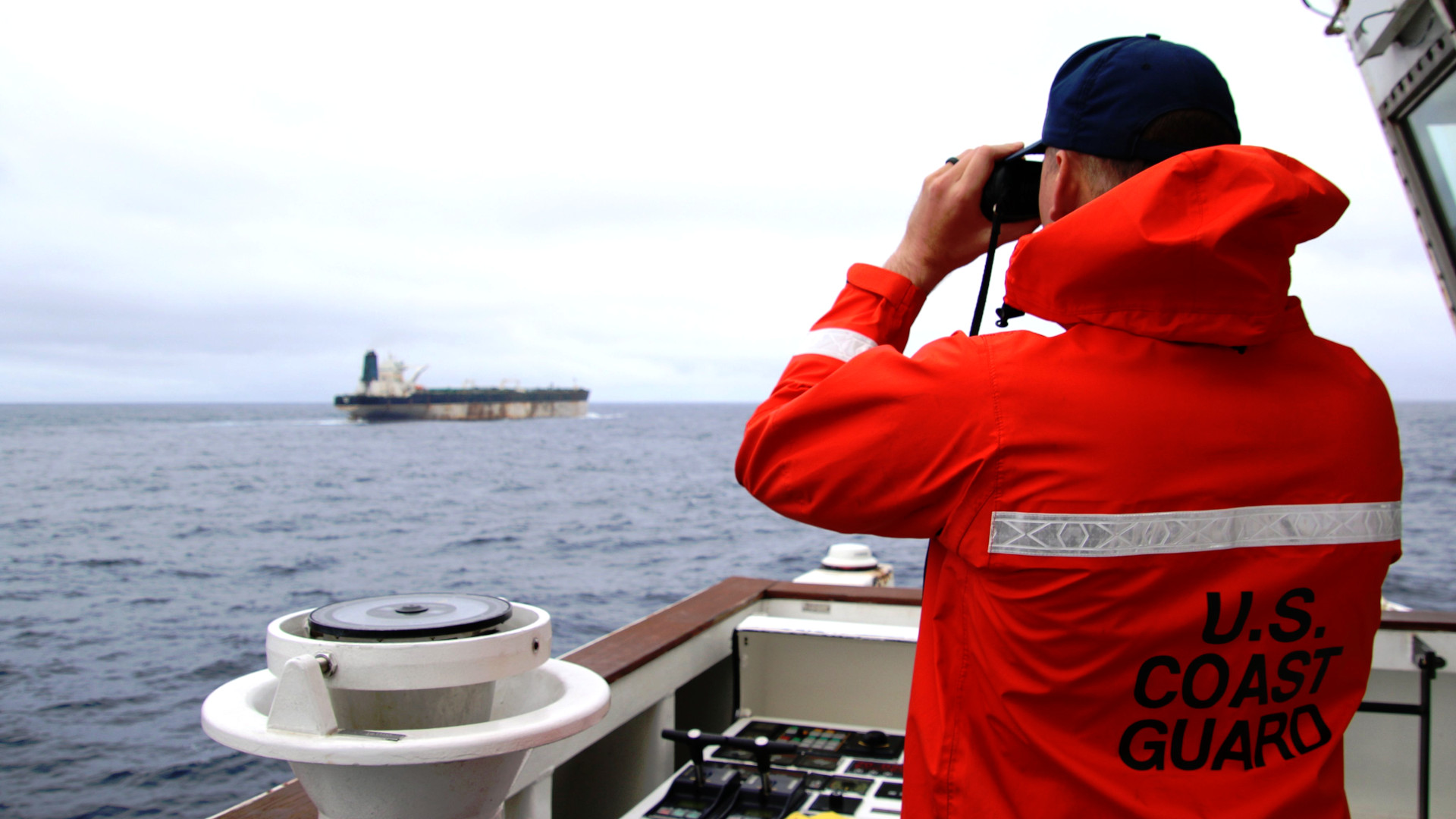
Image for US naval forces board Russian tanker "Mariner" in open sea
Background
This incident is part of a broader pattern of maritime confrontations involving US forces and vessels linked to Russia and Venezuela. The US has previously seized other vessels, such as the oil tanker "Sophia" in the Caribbean Sea and the Russian vessel "Bella 1" for violating sanctions against Venezuela. These actions reflect ongoing tensions in international waters, particularly concerning the transportation of oil and other resources from Venezuela, which has been under US sanctions. The geopolitical implications of these operations are significant, as they highlight the complexities of international maritime law and the enforcement of sanctions.
What"s Next
The boarding of the "Mariner" could lead to heightened diplomatic tensions between the United States and Russia, particularly in the context of maritime operations. The Russian government may respond with protests or calls for international mediation, citing violations of maritime law. Furthermore, this incident could influence future naval operations in the region, as both nations reassess their strategies in light of international legal frameworks and the potential for conflict over maritime rights.
As previously reported, similar situations have arisen in the past, with US forces actively intercepting vessels in Latin American waters. The implications of these actions extend beyond immediate maritime law concerns, potentially affecting diplomatic relations and international trade routes.
For more on the geopolitical climate surrounding these maritime incidents, see our recent developments regarding US policies in the region.
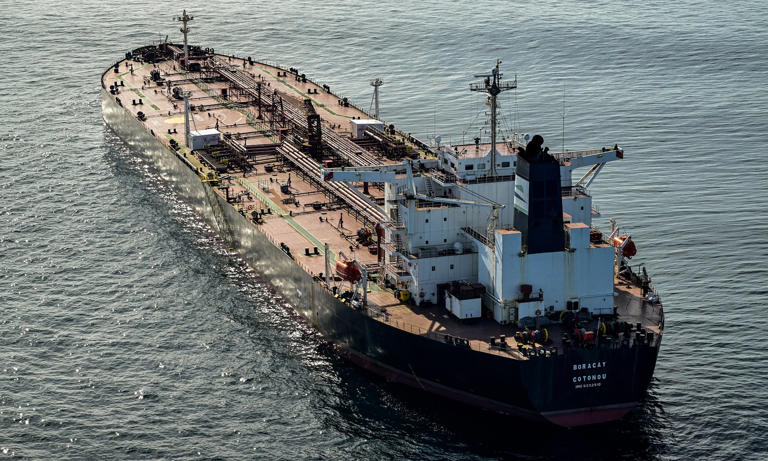
Image for US naval forces board Russian tanker "Mariner" in open sea
![[Video] Vance tells Europeans to take the President of the United States seriously](/_next/image?url=%2Fapi%2Fimage%2Fthumbnails%2Fthumbnail-1767899508942-k436k-thumbnail.jpg&w=3840&q=75)
![[Video] Massive anti-regime protests underway in Tehran, Iran](/_next/image?url=%2Fapi%2Fimage%2Fthumbnails%2Fthumbnail-1767900639833-0nttqw-thumbnail.jpg&w=3840&q=75)
![[Video] Trump admin appoints new Assistant Attorney General for fraud prosecution](/_next/image?url=%2Fapi%2Fimage%2Fthumbnails%2Fthumbnail-1767900088812-n9zy2-thumbnail.jpg&w=3840&q=75)
![[Video] Large marches occur in Shahin Shahar near Isfahan, police absent](/_next/image?url=%2Fapi%2Fimage%2Fthumbnails%2Fthumbnail-1767900064465-nbwzq-thumbnail.jpg&w=3840&q=75)