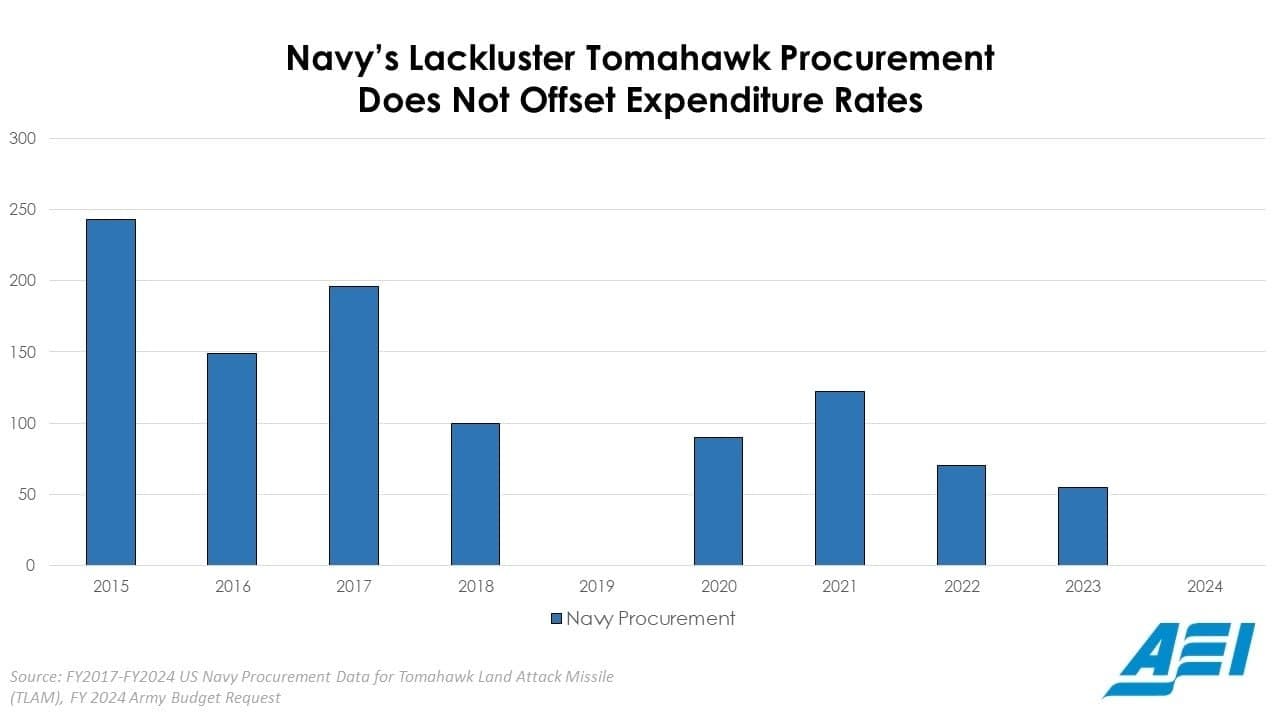
U.S. Navy Faces Tomahawk Cruise Missile Shortage Amid Ongoing Conflicts
Author: Michael Thompson | Date: December 26, 2025
The United States Navy is currently experiencing a significant shortage of Tomahawk cruise missiles, a critical component of its naval arsenal. This shortage arises from the rapid depletion of missile stockpiles due to ongoing military operations and conflicts in multiple regions, including the Middle East and the Indo-Pacific. As tensions rise, particularly concerning China"s potential aggression towards Taiwan, the implications of this shortage could be severe for U.S. military readiness.
Key Details
The U.S. Navy"s challenges with Tomahawk missile availability stem from a fundamental issue: the rate at which these weapons are being utilized exceeds the rate of procurement. This imbalance has led to a swift decline in stockpiles, which are essential for maintaining military readiness in the face of potential threats. The Navy"s current missile reserves, while seemingly substantial, do not meet the demands of a global navy tasked with confronting adversaries in multiple theaters simultaneously.
Recent military actions, including strikes against Iran-backed Houthi forces and terrorist groups operating in the Red Sea, underscore the necessity of the Tomahawk missile. These strikes are deemed essential for U.S. interests and regional stability. However, the Pentagon faces a critical dilemma: the need to conduct these operations must not compromise the Navy"s overall readiness and capability in other strategic areas.
Experts warn that insufficient procurement of Tomahawk missiles could lead to empty launch cells across the fleet. This situation poses a significant risk, as it could hinder the Navy"s ability to respond effectively in future conflicts, potentially leaving the United States at a disadvantage in any upcoming military engagements.
Background
The Tomahawk cruise missile has been a cornerstone of U.S. naval operations since its introduction in the 1980s. Known for its precision and long-range capabilities, the missile has been utilized in various military campaigns, providing the U.S. Navy with a powerful tool for striking targets at sea and on land. However, the increasing frequency of military operations has led to a rapid depletion of existing stockpiles, raising concerns among military analysts and defense strategists.
As previously reported, the geopolitical landscape has become increasingly complex, with the U.S. engaged in multiple conflicts simultaneously. The situation in Taiwan remains particularly precarious, as any aggressive moves by Beijing could necessitate a robust military response from the United States. This context amplifies the urgency of addressing the Tomahawk missile shortage.
What"s Next
Looking ahead, the U.S. Navy must prioritize the procurement of Tomahawk missiles to ensure it can maintain operational readiness across all theaters of conflict. The current shortage highlights the need for a reassessment of defense spending and military strategy, particularly in light of ongoing tensions with nations such as China and Iran. As the U.S. navigates these challenges, the ability to replenish missile stockpiles will be crucial for sustaining its naval capabilities and ensuring that future military engagements can be conducted on favorable terms.
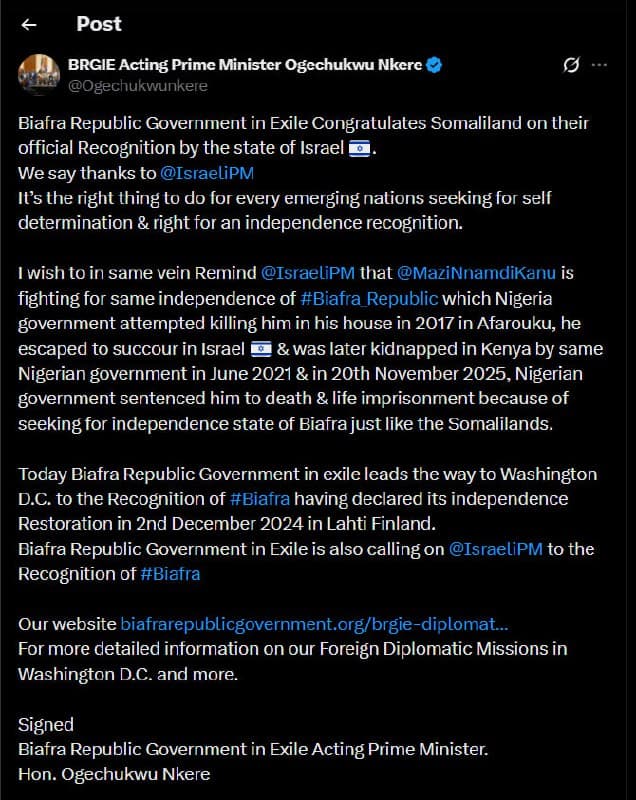
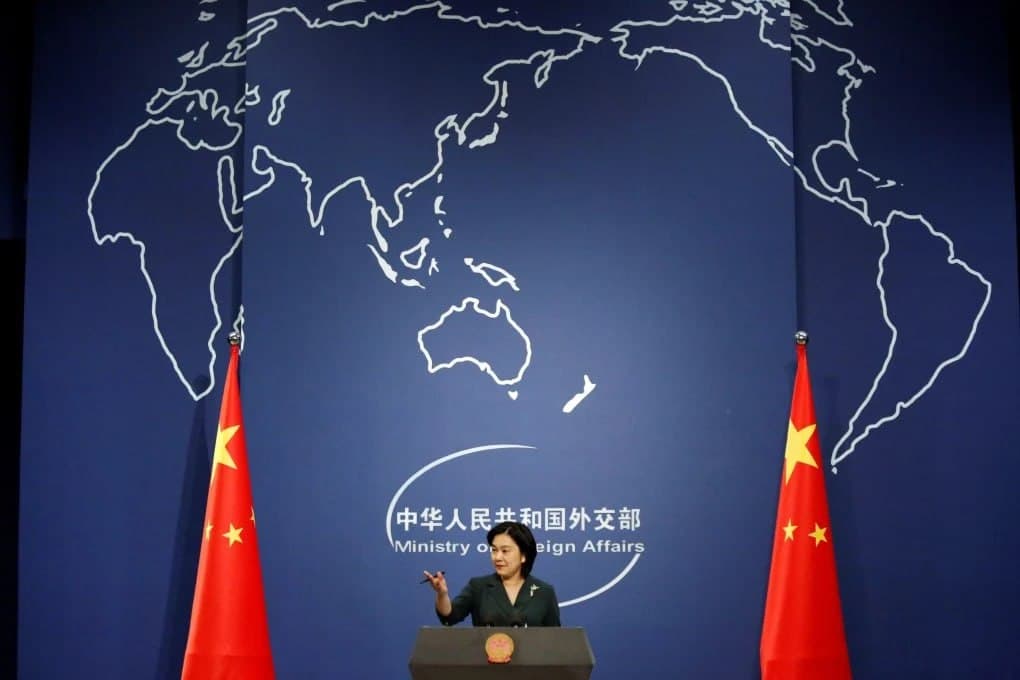
For further insights on related developments, see our coverage on Biafran Separatists Seeking Israeli Support and China"s Sanctions on U.S. Defense Firms.


![[Video] Serbian President Vučić says they will reveal information soon](/_next/image?url=%2Fapi%2Fimage%2Fthumbnails%2Fthumbnail-1766781050645-x8hsqe-thumbnail.jpg&w=3840&q=75)