US Sets Tough Preconditions for Iran Talks Amid Ongoing Protests
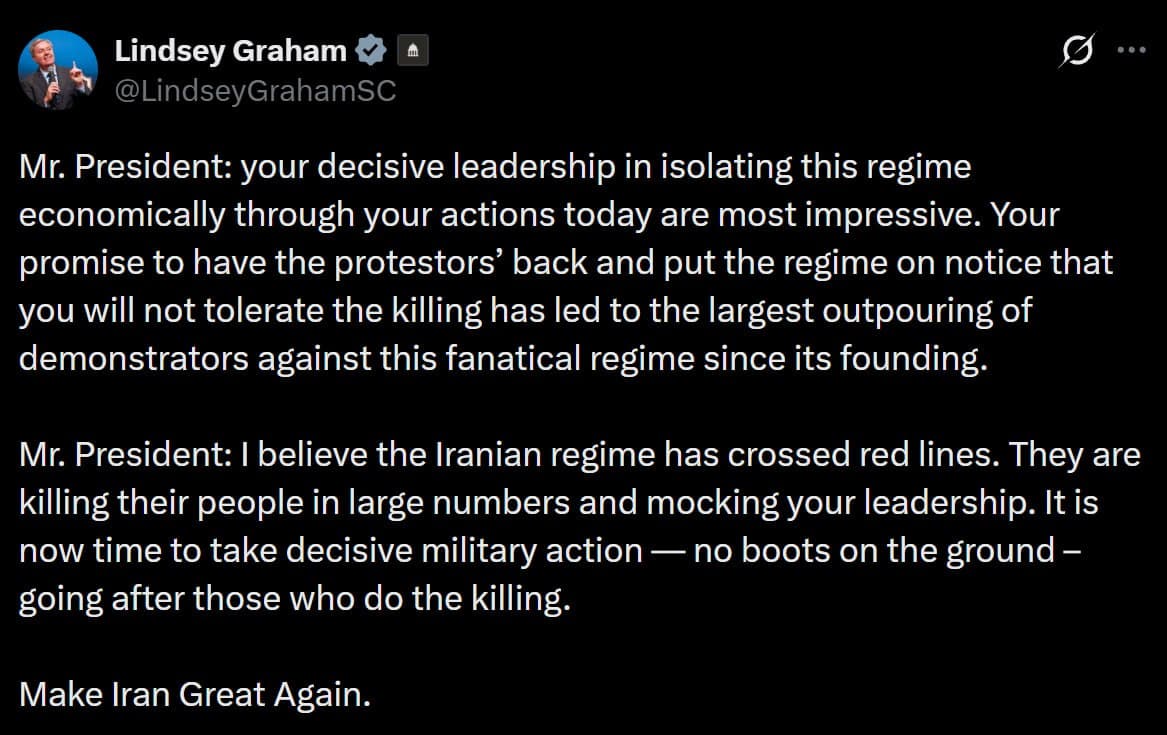
In a significant development, the United States administration is preparing to respond to Iran"s recent outreach for negotiations by establishing a series of stringent preconditions that must be met before any talks can commence. This announcement comes as protests continue to escalate across Iran, highlighting the ongoing unrest within the country.
Key Details
The US administration"s proposed preconditions for engaging in talks with Iran include several critical demands aimed at addressing both human rights concerns and nuclear proliferation issues. The specific conditions outlined are as follows:
- Immediate End to Live Fire Against Protesters: The US demands that Iran cease the use of live ammunition and other forms of violent suppression against demonstrators. This condition reflects international concerns regarding the treatment of protesters amid ongoing civil unrest.
- Release of Detained Protesters: The US is calling for the immediate release of individuals who have been detained during the protests. Reports indicate that thousands of protesters have been arrested in recent months, raising significant human rights concerns.
- Hand Over Enriched Uranium: The US expects Iran to be prepared to transfer a substantial quantity of enriched uranium, with reports indicating that this may involve around 408 kilograms of highly enriched uranium. This demand is part of broader efforts to curb Iran"s nuclear capabilities.
- Complete Halt to Uranium Enrichment: The US is insisting on a total cessation of uranium enrichment activities in Iran, demanding a position of zero enrichment. This condition aims to prevent Iran from advancing its nuclear program further.
- Termination of Long-Range Ballistic Missile Program: The US is also requiring Iran to end its long-range ballistic missile program, which has been a point of contention in international relations and security discussions.
- Ending Support for Terrorist Organizations: The US demands that Iran cease its support for various terrorist organizations and proxies, including groups such as Hezbollah, the Houthis, and Hamas. This condition reflects ongoing concerns about Iran"s influence in regional conflicts and its support for militant groups.
Background
The backdrop to these preconditions is the ongoing unrest in Iran, where widespread protests have erupted in response to various socio-political issues, including government repression, economic hardship, and calls for greater freedoms. The Iranian government has faced international criticism for its handling of these protests, particularly regarding its use of force against demonstrators.
In recent months, the Iranian government has been under pressure not only from domestic dissent but also from international actors concerned about its nuclear ambitions. The US has previously engaged in negotiations with Iran regarding its nuclear program, but these talks have stalled amid rising tensions and differing expectations from both sides.
What"s Next
The establishment of these preconditions by the US signals a firm stance in negotiations with Iran, indicating that any future discussions will be contingent upon significant changes in Iran"s domestic and foreign policies. The international community will be closely monitoring Iran"s response to these demands, as they could have far-reaching implications for regional stability and global security.
As previously reported, the US has been involved in various diplomatic efforts concerning Iran, including considerations for restarting nuclear talks. The outcome of these preconditions may shape the future of US-Iran relations and influence broader geopolitical dynamics in the Middle East.
For further context on related developments, see our coverage on recent developments in international relations and previous reports regarding the potential for renewed negotiations with Iran.
![[Video] Heavy clashes between Syrian Arab Army and SDF militia in Al-Mardud](/_next/image?url=%2Fapi%2Fimage%2Fthumbnails%2Fthumbnail-1768257668705-bzba9s-thumbnail.jpg&w=3840&q=75)
![[Video] SDF/YPG militias deploy reinforcements to Deir Hafer front line](/_next/image?url=%2Fapi%2Fimage%2Fthumbnails%2Fthumbnail-1768257654986-e7coft-thumbnail.jpg&w=3840&q=75)
![[Video] Anti-ICE Protester Pepper Sprayed as CBP Agents Disperse Crowd in Minneapolis](/_next/image?url=%2Fapi%2Fimage%2Fthumbnails%2Fthumbnail-1768260677127-y71sb7-thumbnail.jpg&w=3840&q=75)
![[Video] Minneapolis Mayor Jacob Frey calls DHS agents' arrival an 'INVASION'](/_next/image?url=%2Fapi%2Fimage%2Fthumbnails%2Fthumbnail-1768258260467-z8ar1h-thumbnail.jpg&w=3840&q=75)