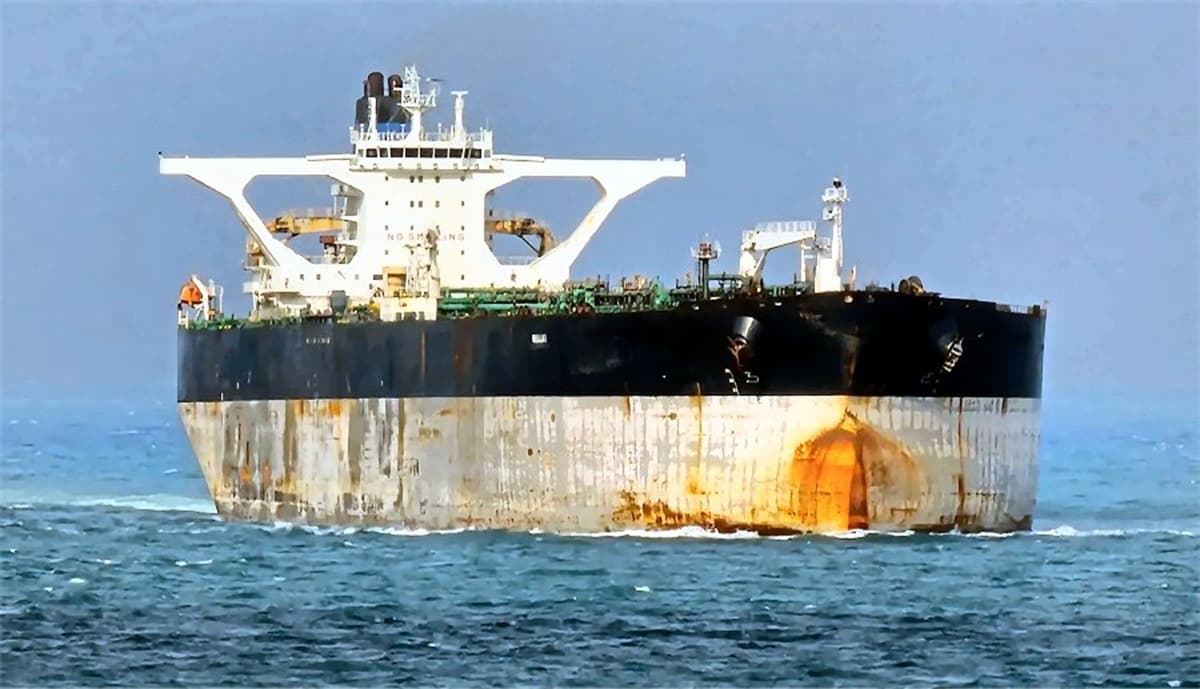
300k Tanker Bella 1 Evades US Military Pursuit in North Atlantic
In a notable incident highlighting the challenges faced by the United States military, the 300,000-ton tanker Bella 1 has successfully evaded pursuit in the North Atlantic. This situation raises questions about the effectiveness of U.S. maritime operations, particularly in light of recent events involving other tankers off the coast of Venezuela.
Key Details
Sal Mercogliano, a maritime expert, provided insights into the circumstances surrounding Bella 1"s evasion. He noted that the U.S. military had previously intercepted two tankers, Skipper and Centuries, near the Venezuelan coast, where a significant portion of U.S. military resources is stationed. However, Bella 1 did not approach Venezuela"s coastline, instead making a U-turn in the Atlantic Ocean, which complicated potential U.S. military response efforts.
Mercogliano emphasized that pursuing Bella 1 would require more than just any naval vessel. The operation would necessitate the involvement of U.S. Coast Guard personnel due to the commercial nature of the ship. Additionally, multiple helicopters would be needed for a successful boarding operation. The situation is further complicated by the harsh winter weather conditions in the North Atlantic, which can severely impact operational capabilities.
If the U.S. military lacked the necessary personnel or helicopters for a direct engagement, the alternative would involve shifting to a strategy of surveillance and monitoring. This approach would entail tracking Bella 1 until additional resources could be mobilized. Mercogliano likened this scenario to a slow-speed chase, where a single police car pursues a larger vehicle, illustrating the limitations faced by U.S. forces in this instance.
Moreover, the primary focus of the U.S. military mission in the region remains on monitoring other tankers in Venezuela and preventing any further sanctioned vessels from entering the country. This ongoing mission underscores the strategic importance of the region and the complexities involved in enforcing maritime sanctions.
Background
The Bella 1 incident highlights the broader context of U.S. military operations in the Caribbean and Atlantic regions, particularly concerning Venezuela. The U.S. has been actively involved in monitoring and enforcing sanctions against the Venezuelan government, which has faced international criticism for its human rights record and economic mismanagement. The successful evasion of Bella 1 raises concerns about the U.S. military"s ability to effectively enforce these sanctions in a challenging operational environment.
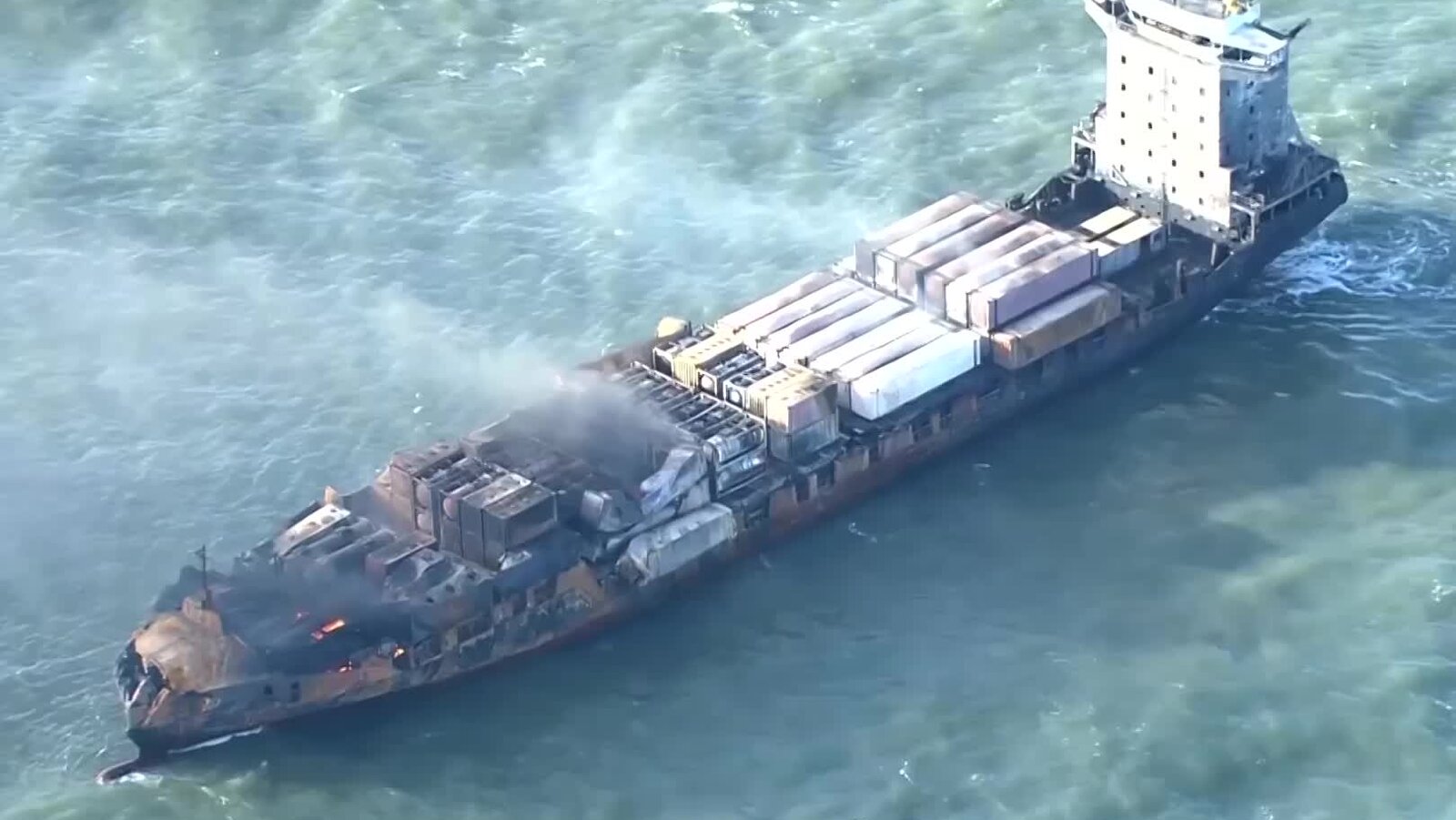
Image for 300k tanker Bella 1 evades US military pursuit in North Atlantic
What"s Next
The implications of this incident are significant for U.S. military strategy and public perception. Mercogliano suggested that the U.S. Department of Defense, including Secretary of War Noem and the U.S. Navy, should provide a detailed briefing to clarify the rules of engagement and operational strategies being employed. This transparency could help address public concerns regarding the military"s effectiveness in maritime operations and the enforcement of sanctions against Venezuela.
As the situation develops, it will be crucial to monitor the U.S. military"s response and any potential changes in strategy regarding maritime enforcement in the region. The ongoing challenges faced by the U.S. in this context may prompt a reevaluation of resource allocation and operational tactics in future maritime engagements.
For related coverage on U.S. military actions in Venezuela, see recent developments regarding the geopolitical tensions in the region.

![[Video] Saudi airstrike targets armored vehicles at Mukalla port in Yemen](/_next/image?url=%2Fapi%2Fimage%2Fthumbnails%2Fthumbnail-1767130242883-lthd2-thumbnail.jpg&w=3840&q=75)