$4.6 Billion Arms Agreement Reached Between Libya and Pakistan
Unverified reports have emerged indicating that a significant arms agreement worth $4.6 billion has been finalized between the Libyan Arab Armed Forces (LAAF) and Pakistan. This development follows the visit of General Asim Munir, a senior military commander from Pakistan, to the city of Benghazi, Libya. The deal, if confirmed, would represent a major rearmament initiative for the LAAF and a notable achievement in military exports for Pakistan.
Key Details
The reported arms package includes a variety of military equipment, which is critical for enhancing the operational capabilities of the LAAF. The components of the deal are as follows:
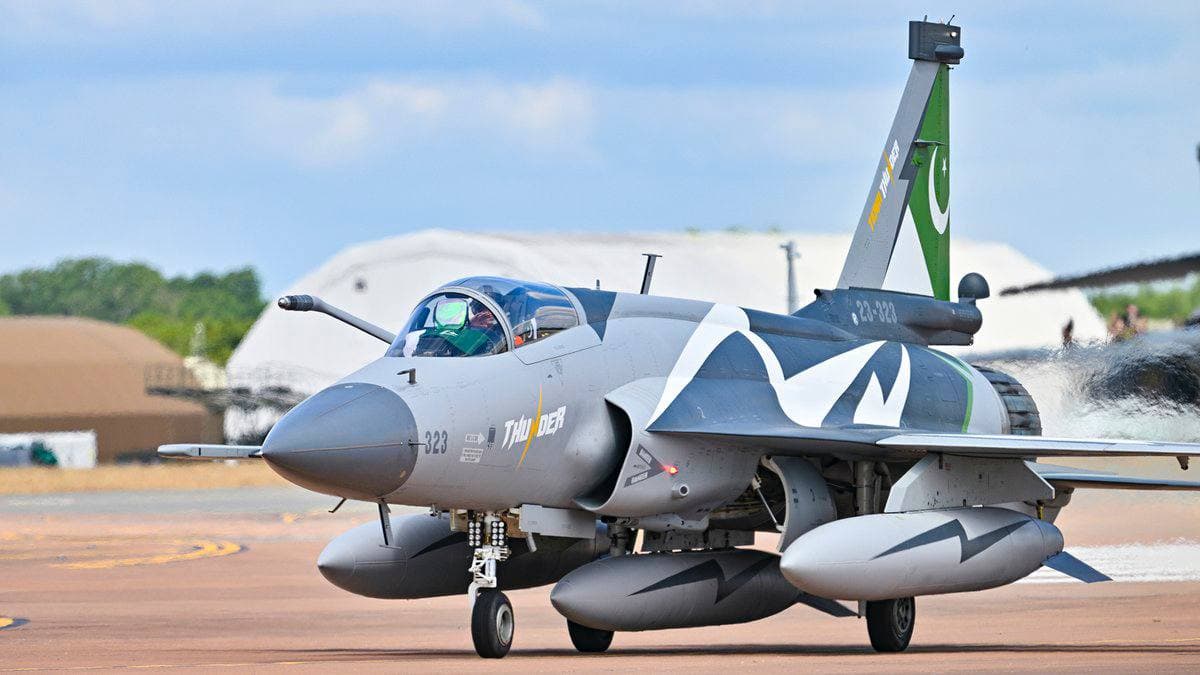
- 16 JF-17 Block III Fighter Jets: These advanced multi-role combat aircraft are designed for air-to-air and air-to-ground missions, providing the LAAF with enhanced aerial capabilities.
- 44 Haider Main Battle Tanks: The Haider tank is a modern armored vehicle that offers improved firepower and protection, essential for ground operations.
- 12 Super Mushshak Trainer Aircraft: These aircraft are primarily used for training purposes, allowing the LAAF to develop and maintain a skilled pilot workforce.
- Advanced Mortar Systems: These systems are crucial for indirect fire support, enhancing the artillery capabilities of the LAAF.
- Other Military Hardware: The agreement reportedly includes additional unspecified military equipment, further bolstering the LAAF"s arsenal.
General Asim Munir"s visit to Benghazi signifies a strengthening of military ties between Libya and Pakistan, reflecting a strategic partnership that could reshape regional security dynamics. The LAAF, which has been involved in ongoing conflicts within Libya, is seeking to modernize its military capabilities amidst a complex security environment.
Background
The Libyan Arab Armed Forces, led by General Khalifa Haftar, have been engaged in a protracted conflict for control of Libya since the overthrow of Muammar Gaddafi in 2011. The LAAF has sought to acquire modern military equipment to enhance its operational effectiveness against rival factions and to stabilize the country. Meanwhile, Pakistan has been actively pursuing opportunities to expand its defense exports, particularly in the Middle East and North Africa, where demand for military hardware remains high.
This arms deal, if verified, would not only signify a substantial rearmament for the LAAF but also highlight Pakistan"s growing influence in the international arms market. The JF-17 fighter jets, developed in collaboration with China, have been a focal point of Pakistan"s defense exports, and their inclusion in this agreement underscores their strategic importance.
What"s Next
If the reports of this arms agreement are confirmed, it could have significant implications for both Libya and Pakistan. For Libya, the acquisition of advanced military equipment could enhance the LAAF"s capabilities in maintaining order and combating various armed groups. For Pakistan, this deal would represent a landmark achievement in its defense export strategy, potentially opening doors for future agreements with other nations in the region.
As the situation develops, further verification of the details surrounding this arms agreement will be crucial. The international community will be closely monitoring the implications of this deal, particularly in the context of ongoing conflicts in Libya and the broader geopolitical landscape of the region.
For related coverage on international military developments, see recent developments in international arms agreements.

![[Video] Senator Graham proposes giving Tomahawk missiles to Ukraine if Putin refuses](/_next/image?url=%2Fapi%2Fimage%2Fthumbnails%2Fthumbnail-1766351441303-aj8spd-thumbnail.jpg&w=3840&q=75)
![[Video] Hamas is consolidating power and rearming, says Senator Lindsey Graham](/_next/image?url=%2Fapi%2Fimage%2Fthumbnails%2Fthumbnail-1766350853630-5pmqab-thumbnail.jpg&w=3840&q=75)
![[Video] Senator Graham proposes tariffs on countries buying Russian oil](/_next/image?url=%2Fapi%2Fimage%2Fthumbnails%2Fthumbnail-1766350841885-jxlufj-thumbnail.jpg&w=3840&q=75)