Al Shabaab Intensifies Attacks on Somali Government Facilities Amid Electoral Tensions
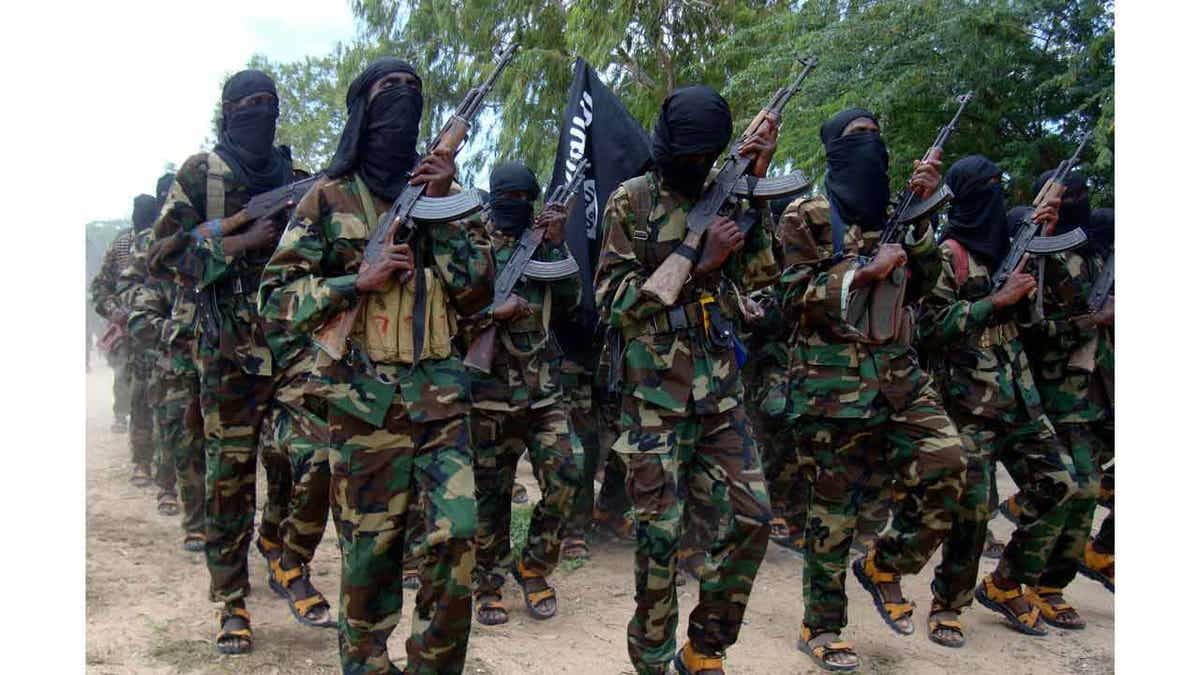
In December 2025, the militant group Al Shabaab significantly escalated its attacks on facilities belonging to the Somali Federal Government (SFG) in Mogadishu, coinciding with rising tensions surrounding electoral reforms. This surge in violence is particularly notable as the country prepares for its upcoming federal elections scheduled for 2026.
Key Details
On December 10, 2025, Al Shabaab executed suicide bombings targeting two separate military bases in Mogadishu. These attacks were part of a broader wave of violence, with at least seven distinct assaults on SFG facilities occurring between December 10 and December 13. The increase in attacks is indicative of Al Shabaab"s strategy to exploit security vulnerabilities amid political unrest.
The backdrop of these attacks is the contentious rollout of a new direct election system for Mogadishu’s municipal elections, which is set to take place in late December 2025. This electoral reform has been met with significant opposition, heightening political tensions within the country. Al Shabaab has previously demonstrated a pattern of increased activity during periods of political instability, particularly during election cycles, and has explicitly threatened to target election sites as part of its campaign of violence.
In addition to the attacks in Mogadishu, Al Shabaab has consolidated its support zones outside the capital, particularly in the Middle Shabelle region and the Afgoi corridor. This development follows earlier gains made by the SFG and the African Union Support and Stabilization Mission in Somalia (AUSSOM) in the lower Shabelle River valley earlier in 2025. Despite these military efforts, Al Shabaab"s ability to maintain and expand its operational bases poses a significant challenge to the SFG"s authority and control.

Image for Al Shabaab increases attacks on Somali government facilities in December
Background
Al Shabaab, an extremist group with ties to Al-Qaeda, has been a persistent threat in Somalia since its emergence in the mid-2000s. The group has utilized guerrilla tactics, including suicide bombings and ambushes, to undermine the Somali government and disrupt efforts to stabilize the region. The current political climate, marked by disputes over electoral processes and governance, has created an environment conducive to Al Shabaab"s resurgence.
The upcoming federal elections are critical for Somalia"s political landscape, as they represent a potential shift towards a more democratic governance structure. However, the ongoing violence and threats from Al Shabaab could severely impact voter turnout and the overall integrity of the electoral process.
What"s Next
The escalation of Al Shabaab"s attacks raises concerns about the security of the upcoming elections and the stability of the Somali government. As tensions continue to mount, the SFG may face increased pressure to enhance security measures to protect electoral sites and government facilities. Failure to address these security challenges could lead to further destabilization, allowing Al Shabaab to exploit the situation for its own gain.
As previously reported, the implications of these developments extend beyond immediate security concerns, potentially affecting international relations and foreign aid to Somalia. The international community will be closely monitoring the situation as the SFG navigates these turbulent political waters.
For more on related coverage, see recent developments in political security.
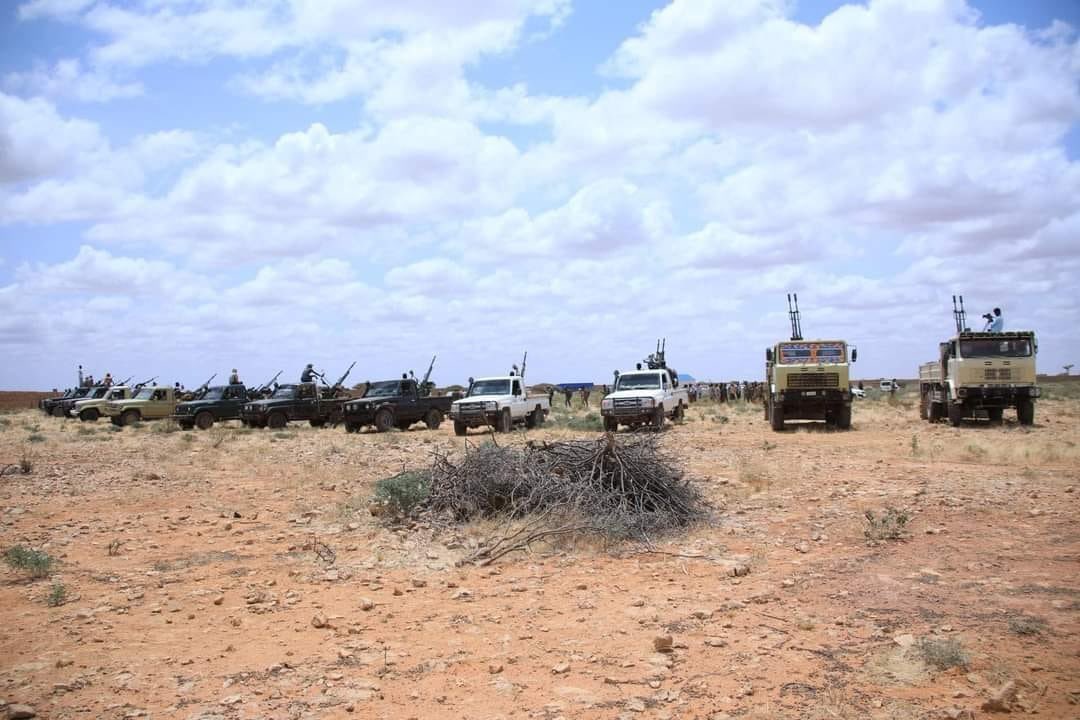
Image for Al Shabaab increases attacks on Somali government facilities in December