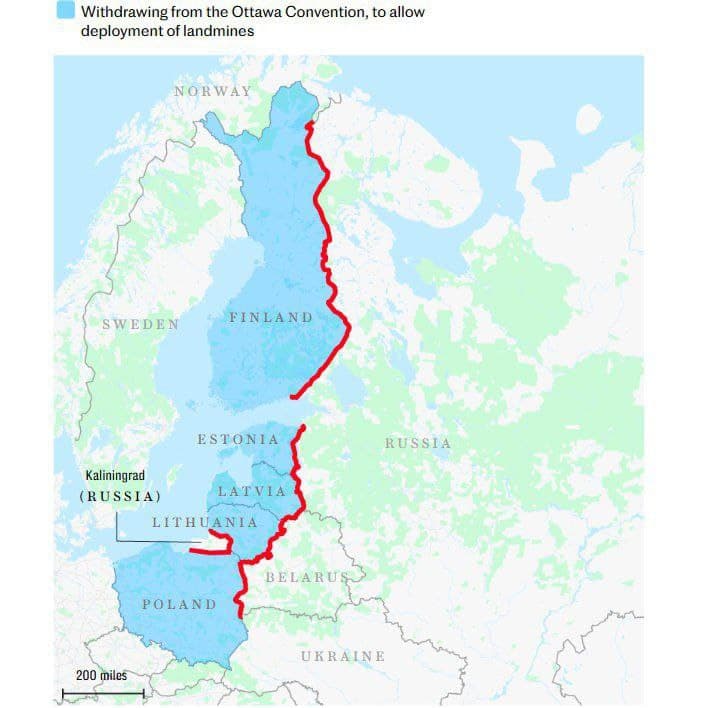
Title: Baltic States Enhance Border Defenses Amid Fears of Russian Invasion
As tensions escalate in Eastern Europe, the Baltic states—Estonia, Latvia, and Lithuania—are taking significant measures to bolster their border defenses in anticipation of a potential Russian invasion. Reports from LRT indicate that these nations are implementing various security enhancements along their borders with Russia and Belarus.
Key Details
Recent developments have revealed that explosive structures have been installed on bridges along Lithuania’s borders with both Belarus and Russia. This strategic move is part of a broader initiative to fortify the region against possible military incursions. In addition to these explosive devices, dozens of locations have been designated for the storage of anti-tank obstacles, and construction of trenches is currently underway. These preparations underscore the seriousness with which the Baltic states are approaching the threat of invasion.
Furthermore, Finland, Lithuania, Latvia, Estonia, and Poland are reportedly collaborating to fully mine their borders with Russia and Belarus. This collective effort highlights the regional concern regarding security and the potential for conflict in the area.
In Latvia, a significant milestone has been achieved with the completion of a 280-kilometer fence along its border with Russia. This fence is intended to serve as a physical barrier to deter unauthorized crossings and enhance national security. The construction of such a lengthy fence indicates a robust commitment to border security and reflects the heightened vigilance of the Latvian government in the face of perceived threats.
Background
The Baltic states have historically been on high alert regarding Russian military activities, particularly following Russia"s annexation of Crimea in 2014 and its ongoing involvement in the conflict in Ukraine. The geopolitical landscape in Eastern Europe has become increasingly volatile, prompting these nations to reevaluate their defense strategies. The installation of explosive structures and the construction of fences and trenches are direct responses to the changing security environment in the region.
In recent years, NATO has also increased its presence in the Baltic states, conducting joint military exercises and deploying additional troops to reassure these nations of their commitment to collective defense. The actions taken by the Baltic states are consistent with NATO"s broader strategy to deter aggression from Russia and ensure the security of its member states.
What"s Next
The ongoing preparations by the Baltic states signal a proactive approach to national defense amid rising tensions with Russia. As these nations continue to enhance their border security, the international community will be watching closely to assess the implications for regional stability. The collaboration among Finland, Lithuania, Latvia, Estonia, and Poland to mine their borders further illustrates a united front against potential threats.
As previously reported, the situation in Eastern Europe remains fluid, and the Baltic states" actions may prompt further responses from Russia. The geopolitical dynamics in the region will likely continue to evolve as these nations implement their defense strategies and engage with international allies to ensure their security.
For more on related coverage, see our article on recent developments in international security.

![[Video] Erdogan condemns Israel's recognition of Somaliland as illegal act](/_next/image?url=%2Fapi%2Fimage%2Fthumbnails%2Fthumbnail-1767113456778-rly4dv-thumbnail.jpg&w=3840&q=75)