Better Global Data Needed to Track Dark Vessels on the Open Ocean
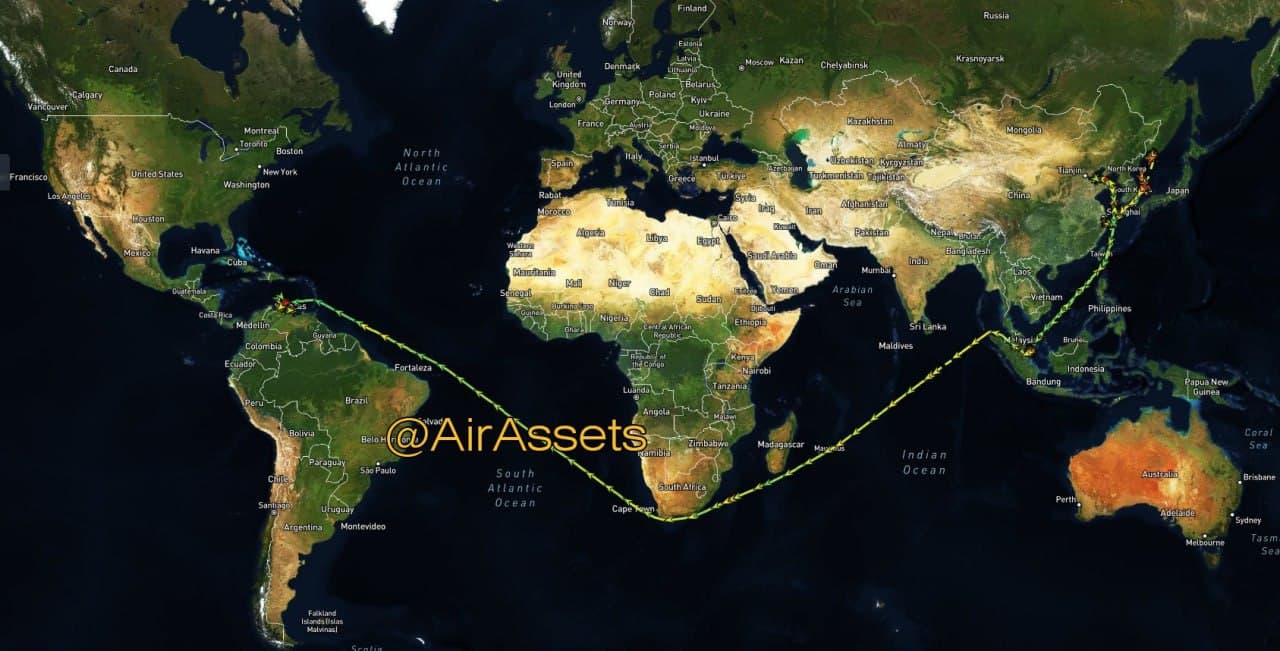
In an era where technology has advanced significantly, the open ocean remains a vast and largely unmonitored expanse, allowing for activities that often evade governmental oversight. As of 2024, there are still regions where individuals and vessels can operate without detection, raising concerns about illegal activities and environmental impacts. Michael Cruickshank, an advocate for better ocean monitoring, emphasizes the necessity for improved global data to track these so-called "dark vessels" that operate outside the realm of regulatory oversight.
Key Details
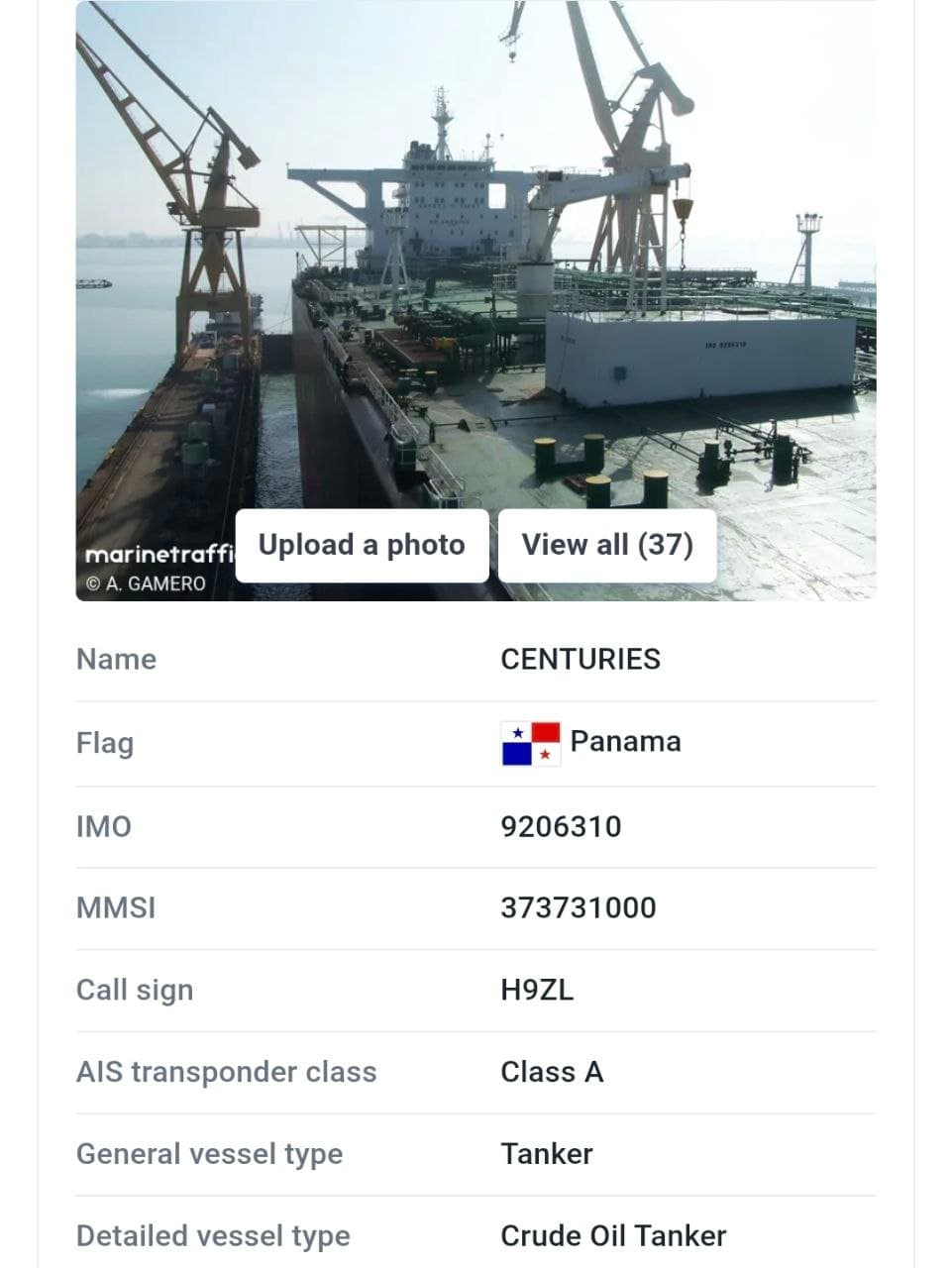
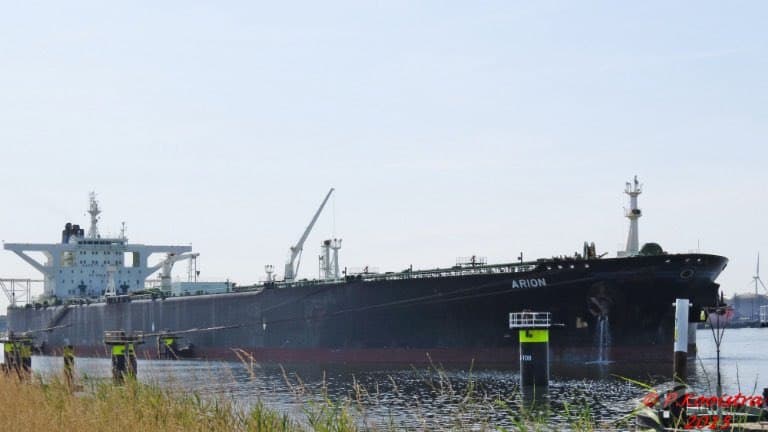
Cruickshank"s observations highlight a critical issue: the ability to hide from government scrutiny on the open ocean. This phenomenon is particularly alarming given the advancements in satellite and tracking technologies. The term "dark vessels" refers to ships that do not transmit their location or identity, making them difficult to monitor. The lack of visibility into these vessels poses significant risks, including illegal fishing, smuggling, and other illicit activities that can harm marine ecosystems and local economies.
In 2024, the need for better global coverage of maritime data has become increasingly evident. Enhanced data collection and sharing would not only serve the interests of governments but also benefit various stakeholders, including Open Source Intelligence (OSINT) investigators, researchers, environmental advocates, and public agencies, particularly in developing countries. These groups often lack the resources to effectively monitor and address the challenges posed by dark vessels.
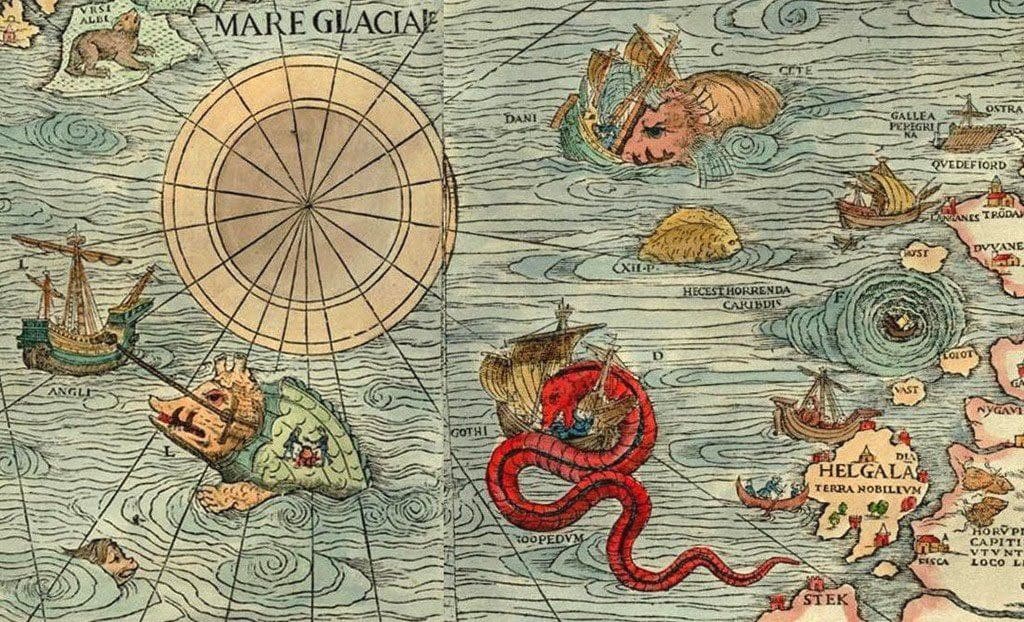
Cruickshank argues that improving data accessibility would empower these organizations to track and understand the problems caused by unmonitored maritime activities. The phrase "Here There Be Monsters" metaphorically underscores the dangers lurking in the uncharted waters of the ocean, where illegal activities can thrive without oversight.
Background
The issue of dark vessels is not new, but it has gained renewed attention as environmental degradation and illegal fishing practices threaten marine biodiversity and the livelihoods of coastal communities. The United Nations and various environmental organizations have called for enhanced monitoring and regulation of maritime activities to combat these issues. However, the implementation of effective tracking systems has been hampered by a lack of funding and technological resources, particularly in poorer nations.
Recent developments in satellite technology and data analytics have the potential to revolutionize maritime monitoring. By utilizing these advancements, stakeholders can create comprehensive databases that track vessel movements and activities, thereby increasing transparency and accountability in ocean governance.
What"s Next
The call for better data collection and sharing is crucial for addressing the challenges posed by dark vessels. As governments and organizations work towards improving maritime monitoring, it is essential to consider the implications for environmental protection and international law enforcement. Enhanced tracking capabilities could lead to more effective regulation of fishing practices, reduced illegal activities, and better preservation of marine ecosystems.
As previously reported, the need for transparency in maritime operations is echoed in various political discussions, including recent developments regarding governmental oversight and accountability. The intersection of technology, environmental advocacy, and policy reform will be pivotal in shaping the future of ocean governance.
In conclusion, the push for improved global data to track dark vessels is not just a matter of regulatory compliance; it is a vital step towards safeguarding our oceans and ensuring sustainable practices for future generations.
![[Video] Guanacos return to Chaco region after 110 years in historic relocation](/_next/image?url=%2Fapi%2Fimage%2Fthumbnails%2Fthumbnail-1765729854187-fq1fw8-thumbnail.jpg&w=3840&q=75)

![[Video] Japanese officials warn of tsunami waves up to 3 meters high](/_next/image?url=%2Fapi%2Fimage%2Fthumbnails%2Fthumbnail-1765207267901-6eh5j-thumbnail.jpg&w=3840&q=75)
![[Video] Russian envoy Kirill Dmitriev meets US officials in Miami to discuss Ukraine](/_next/image?url=%2Fapi%2Fimage%2Fthumbnails%2Fthumbnail-1766263848364-0k8ijb-thumbnail.jpg&w=3840&q=75)