Bulgaria Court Denies Extradition of Russian Citizen in Beirut Port Case
A Bulgarian court has made a significant ruling by refusing to extradite Russian national Igor Grechushkin to Lebanon in connection with the Beirut port explosion case. The court"s decision was based on concerns regarding the security guarantees provided by Lebanese authorities, particularly regarding the possibility that Grechushkin could face the death penalty if extradited.
Key Details
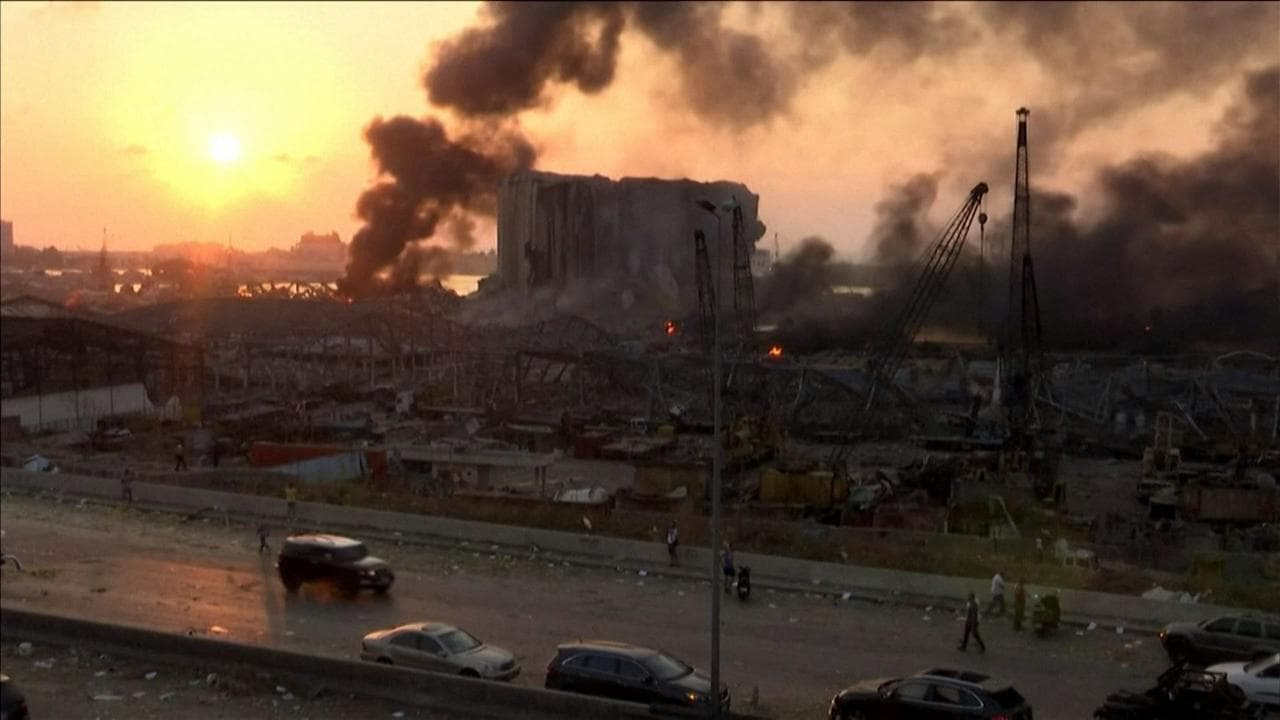
Igor Grechushkin is the owner of the cargo ship Rhosus, which was implicated in the catastrophic explosion that occurred at the Port of Beirut on August 4, 2020. This explosion is recorded as one of the deadliest non-nuclear blasts in history, resulting in the deaths of over 200 individuals and injuring thousands more. The ship Rhosus was carrying nearly three tons of ammonium nitrate, a highly explosive material, which ended up stored in a warehouse at the port prior to the explosion.
Grechushkin was detained in Bulgaria in September 2023, following an Interpol warrant issued at Lebanon"s request in 2020. The Lebanese authorities sought his extradition as part of their ongoing investigation into the circumstances surrounding the explosion. However, the Bulgarian court found that the assurances from Lebanon were insufficient to guarantee Grechushkin"s safety, particularly concerning the potential for capital punishment.
Background
The Beirut port explosion has been a focal point of international scrutiny and condemnation, highlighting issues of negligence and mismanagement in the handling of hazardous materials. The ammonium nitrate that caused the explosion had been improperly stored for years, raising questions about the accountability of various officials and entities involved in the port"s operations.
Since the explosion, Lebanon has faced widespread protests and calls for reform, with citizens demanding justice for the victims and accountability from their government. The investigation into the incident has been fraught with political complications, leading to delays and frustrations among the families of those affected.
What"s Next
The refusal to extradite Grechushkin adds another layer of complexity to the ongoing investigation into the Beirut port explosion. It raises questions about the future of legal proceedings against individuals potentially responsible for the disaster. As the Lebanese government continues to pursue justice for the victims, the lack of cooperation from other nations, such as Bulgaria, may hinder their efforts.
In light of this ruling, it remains to be seen how Lebanon will adapt its strategy in seeking accountability for the explosion and whether they will pursue other avenues to bring those responsible to justice. The international community will likely continue to monitor the situation closely, as it reflects broader issues of governance, safety regulations, and international law.
For more on international relations and recent developments, see our coverage on recent developments in global partnerships.

![[Video] Ukrainian SBU strikes Russian oil tanker Dashan in Black Sea](/_next/image?url=%2Fapi%2Fimage%2Fthumbnails%2Fthumbnail-1765387285866-kt6h7c-thumbnail.jpg&w=3840&q=75)