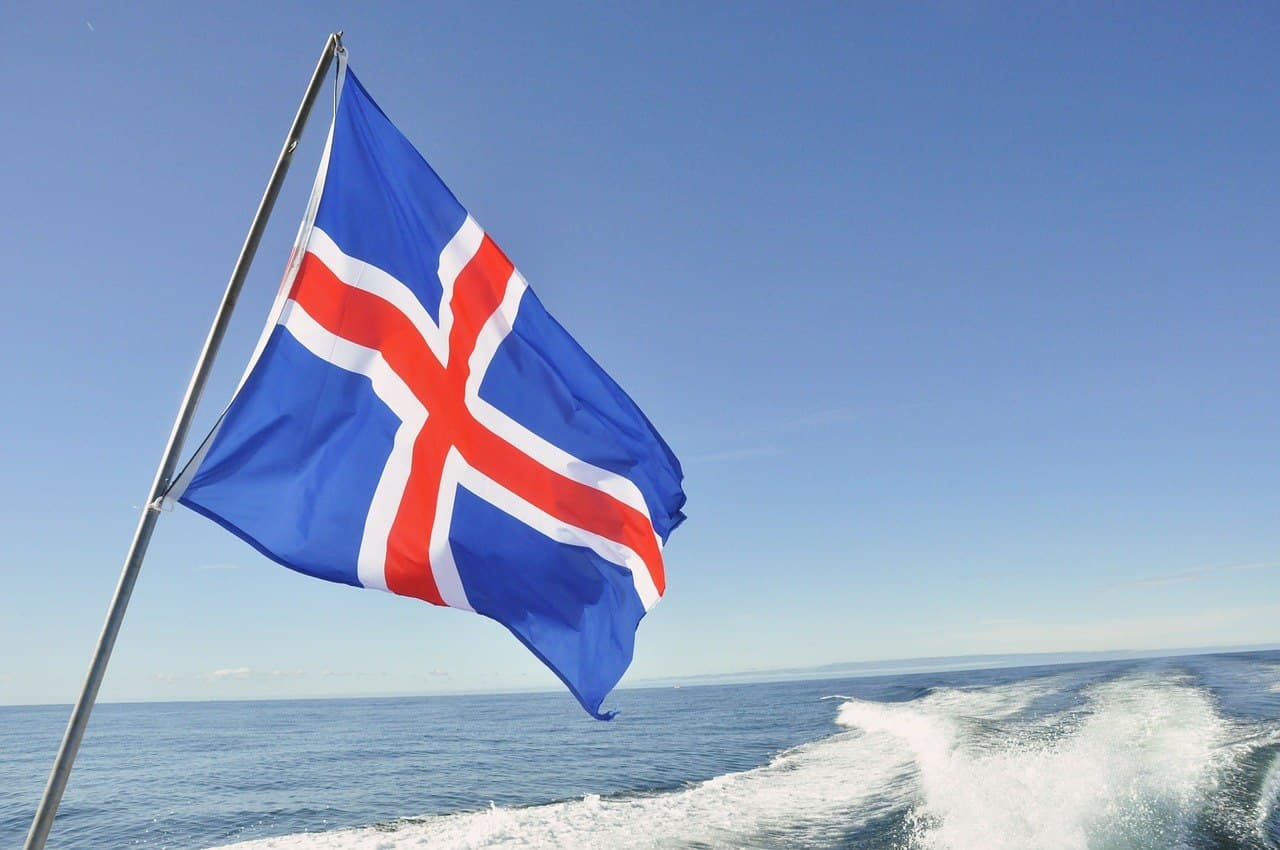
Title: Iceland Joins Eurovision 2026 Boycott Over Israel"s Participation
Date: December 10, 2025
In a significant move, Iceland"s public broadcaster RÚV announced today that it will withdraw from the 2026 Eurovision Song Contest, marking a notable protest against Israel"s participation in the event. This decision positions Iceland as the fifth country to boycott the contest, which is scheduled to take place in Vienna in May 2026. The boycott is a response to the ongoing conflict in Gaza, highlighting the intersection of international politics and cultural events.
Key Details
Iceland"s withdrawal from the Eurovision Song Contest is part of a broader movement, with four other nations—Ireland, Spain, Slovenia, and the Netherlands—also opting out. This collective action represents the largest boycott of the Eurovision event since 1970, a year that saw similar protests against the political climate of the time. The decision by RÚV reflects growing tensions surrounding Israel"s inclusion in international events amid the ongoing humanitarian crisis in Gaza, which has drawn widespread condemnation and calls for solidarity from various global entities.
The Eurovision Song Contest, an annual international song competition, is known for its celebration of cultural diversity and artistic expression. However, the inclusion of Israel has sparked controversy, particularly in light of recent events in Gaza, where conflict has escalated, leading to significant civilian casualties and humanitarian concerns. The decision by Iceland and the other nations underscores the impact of geopolitical issues on cultural platforms.
Background
The Eurovision Song Contest has been a prominent fixture in European culture since its inception in 1956. It has evolved into a platform that not only showcases musical talent but also reflects the political and social landscapes of participating countries. The ongoing conflict in Gaza has reignited discussions about the role of art and culture in political discourse, prompting several nations to reconsider their participation in events that may be perceived as endorsing controversial regimes.
The decision by Iceland"s RÚV, along with the other boycotting nations, is indicative of a growing trend among countries to leverage cultural platforms as a means of political expression. This boycott may lead to a reevaluation of how international events like Eurovision navigate complex political landscapes, particularly when humanitarian issues are at the forefront of global consciousness.
What"s Next
The implications of this boycott could be far-reaching, potentially reshaping the dynamics of the Eurovision Song Contest in 2026. With five countries already withdrawing, the event may face challenges in terms of participation and public perception. The organizers of Eurovision will need to address the concerns raised by these nations and consider the broader implications of political issues on future contests.
As the event approaches, it will be crucial to monitor how other countries respond to the boycott and whether additional nations will join in solidarity. The situation remains fluid, and the intersection of culture and politics will likely continue to evolve as the date of the contest draws nearer.
For further context on international responses to political issues, see our previous reports on related developments.
![[Video] Ukrainian SBU strikes Russian oil tanker Dashan in Black Sea](/_next/image?url=%2Fapi%2Fimage%2Fthumbnails%2Fthumbnail-1765387285866-kt6h7c-thumbnail.jpg&w=3840&q=75)