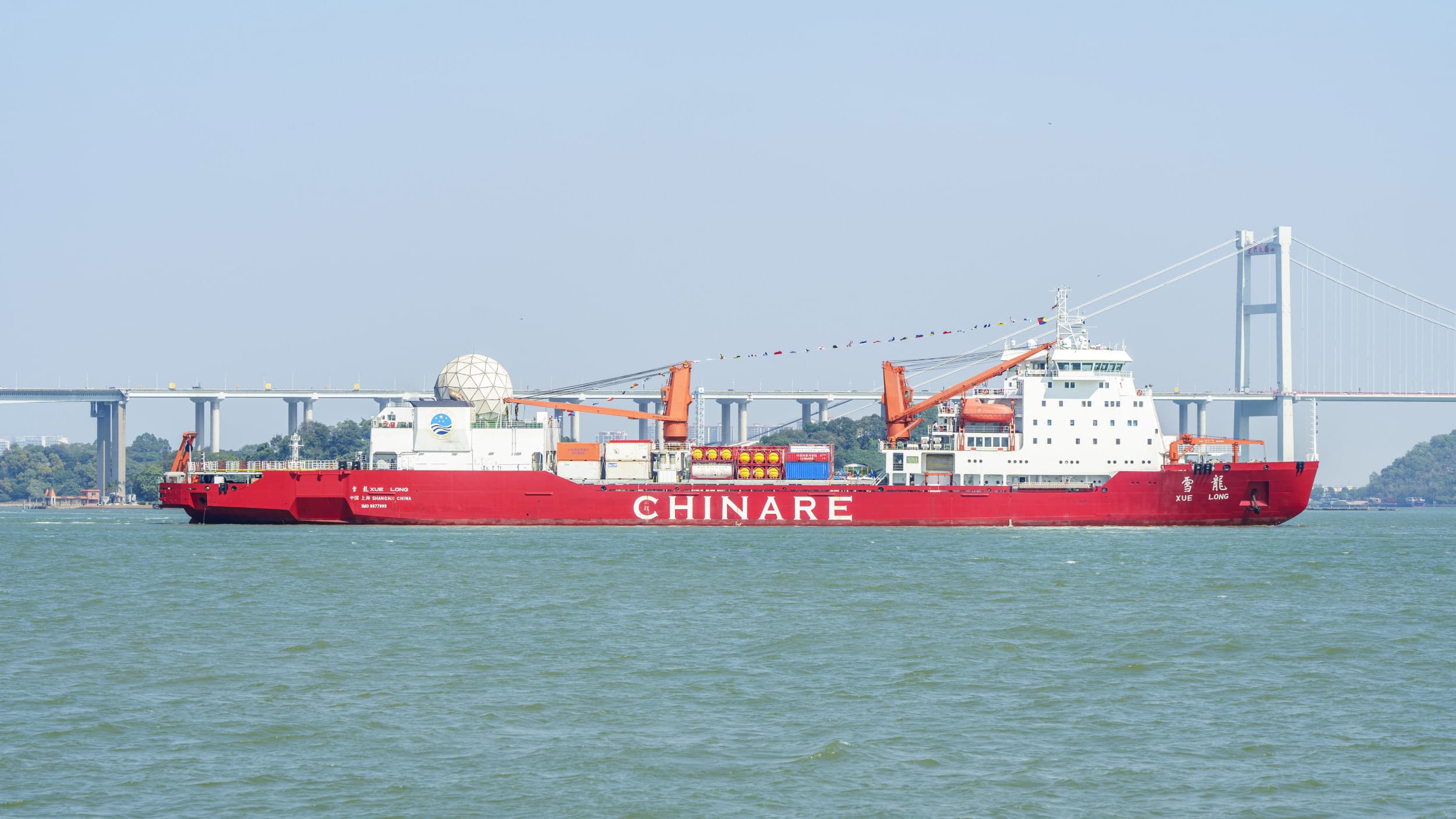
China"s Arctic Ambitions Face Significant Strategic Limitations
As the geopolitical landscape shifts, China"s aspirations in the Arctic region are increasingly scrutinized, revealing significant strategic limitations. While there are potential opportunities for China in the Arctic, a closer examination suggests that these prospects may not be as appealing as they initially appear. The Arctic, often referred to as the "Polar Mediterranean" by Canadian explorer Vilhjalmur Stefansson, remains isolated compared to other oceans, with the Northwest Passage currently experiencing negligible traffic and lacking strategic importance.
Key Details
The Arctic region is expected to undergo changes due to climate change, which may eventually increase maritime traffic. However, geography poses challenges for China in terms of sea control and denial. Although the Arctic could provide time and distance advantages for ships traveling between Europe or the U.S. Eastern Seaboard and Asia, much of this future commerce would likely be directed to or from China. In the event of conflict, trade routes between the West and China would likely be restricted, regardless of China"s presence in the Arctic.
China’s ability to interdict shipping to its democratic neighbors is also questionable. It would be more feasible for China to target shipping routes closer to home, such as those involving South Korea, Taiwan, or Japan, where ports are within reach of Chinese missile systems. Additionally, the potential for China to disrupt U.S. military sealift operations through the Arctic is limited. While the Northwest Passage offers a route approximately 2,000 kilometers shorter than the Panama Canal for deploying warships from Norfolk to the Sea of Japan, unpredictable ice conditions hinder navigation. Even in a future with reduced ice, non-ice-strengthened vessels would still face significant challenges during winter and shoulder seasons.
Moreover, the idea of Chinese Submarine-Launched Ballistic Nuclear submarines (SSBNs) utilizing the Arctic as a missile-launching position appears overstated. The primary challenge lies in accessing the Arctic, which is only possible through the Bering Strait, a narrow passage of 80 kilometers bordered by Russia and the United States. U.S. territory, specifically St. Lawrence Island, has hosted submarine detection systems since the 1960s, further complicating any potential Chinese military operations in the region.
China"s current and planned submarine-launched ballistic missiles possess the range to threaten most of the United States from various locations in the Pacific. The vast expanse of deep water from the Aleutian Islands to French Polynesia provides ample opportunities for Chinese submarines to operate undetected, making these areas more strategic than the Arctic.
Despite these limitations, a Chinese presence in the Arctic would still raise concerns. The deployment of the People"s Liberation Army Navy (PLAN) vessels in the Polar Basin could introduce new risks and complicate continental defense strategies for the United States and its allies. Such deployments would also impose costs on China, potentially diverting valuable naval assets inefficiently.
Background
The Arctic has been a focal point for international interest due to its potential for new shipping routes and resource exploration. As previously reported, China"s activities in the Arctic have been expanding, raising security concerns among the U.S. and NATO allies. Recent developments include China"s efforts to develop Arctic-capable submarines and vessels for under-ice operations, as well as the successful deployment of a crewed submersible under Arctic ice for the first time.
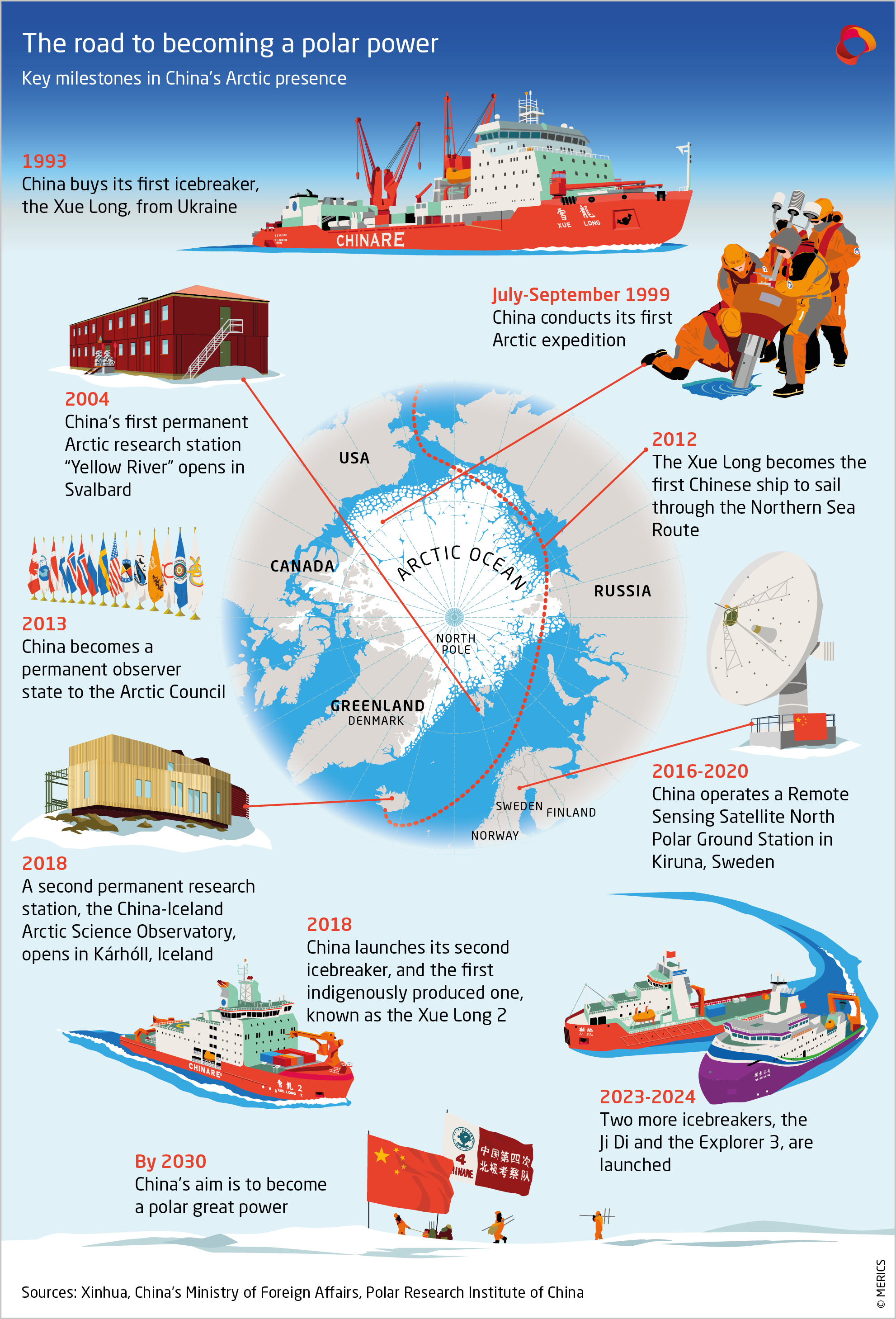
Image for China"s Arctic ambitions face significant strategic limitations
What"s Next
As the Arctic continues to evolve due to climate change and geopolitical dynamics, the implications of China"s ambitions in the region will remain a topic of discussion among international security analysts. The complexities of Arctic navigation, combined with the strategic limitations faced by China, suggest that while the region may hold potential, the realities of operational challenges and geopolitical tensions will shape the future of Chinese activities in the Arctic.
For more information on China"s Arctic military capabilities, see our recent developments in this area.

![[Video] Ukraine's Special Operations Forces strike Tamanneftegaz port terminal in Russia](/_next/image?url=%2Fapi%2Fimage%2Fthumbnails%2Fthumbnail-1767200467772-7sefy-thumbnail.jpg&w=3840&q=75)
![[Video] Xi Jinping: Reunification of motherland is an unstoppable trend](/_next/image?url=%2Fapi%2Fimage%2Fthumbnails%2Fthumbnail-1767200440818-wbizo8-thumbnail.jpg&w=3840&q=75)

![[Video] Xi Jinping reaffirms One Country, Two Systems policy in New Year Address](/_next/image?url=%2Fapi%2Fimage%2Fthumbnails%2Fthumbnail-1767200453319-10ux7p-thumbnail.jpg&w=3840&q=75)