China"s First Generation Modern Q-Ship Features 60 VLS Cells
On December 26, 2025, reports emerged detailing the capabilities of China"s first generation modern Q-ship, which is equipped with 60 Vertical Launch System (VLS) cells. This innovative naval vessel is designed to enhance China"s maritime combat capabilities significantly.
Key Details
The Q-ship, a type of warship that can disguise itself as a merchant vessel, boasts a firepower capacity that is noteworthy in comparison to established naval forces. Specifically, it possesses:
- 60% of the firepower of the Arleigh Burke-class destroyers, which are among the most advanced surface combatants in the United States Navy.
- 60% of the firepower of the Atago-class destroyers, utilized by the Japan Maritime Self-Defense Force.
- 46% of the firepower of the Sejong the Great-class destroyers, which serve in the Republic of Korea Navy.
Additionally, this Q-ship has slightly more firepower than the Iver Huitfeldt-class frigates, which are operated by the Royal Danish Navy. When compared to other European naval vessels, it is estimated to have between 1.25 to 3.75 times more firepower.
The ship is described as a relatively small container ship, and while the exact number of missile reloads it can carry remains unspecified, it is suggested that the design allows for significant storage capacity below deck.
The estimated configuration of the VLS cells on this Q-ship includes:
- 4 VLS cells per ISO container.
- 4 to 5 containers placed abreast.
- 3 containers longitudinally positioned when fully outfitted.
This configuration leads to an estimated total of 48 to 60 VLS cells onboard.
It is also noted that the VLS cells appear to be full-sized, potentially including models such as the H/AJK-16 or UVLS, which are designed for various missile types.
Background
The development of Q-ships represents a strategic shift in naval warfare, allowing nations to deploy combat capabilities under the guise of civilian vessels. This approach can enhance stealth operations and surprise attacks against adversaries. The introduction of such vessels by China reflects its ongoing efforts to modernize its naval fleet and assert its presence in international waters.
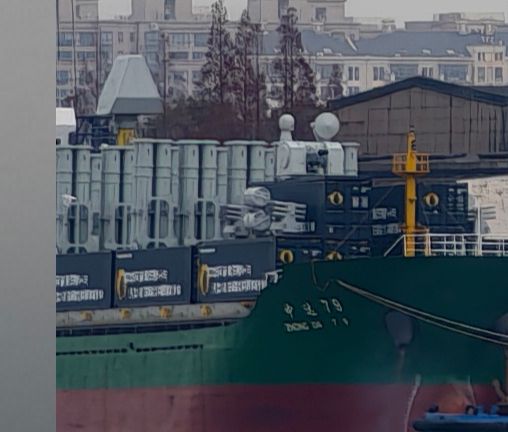
Image for China"s First Generation Modern Q-Ship Features 60 VLS Cells
What"s Next
As China"s naval capabilities continue to evolve, there is an increasing call for other nations to enhance their own maritime defenses. Experts suggest that the United States and its allies may need to develop their own arsenal ships and larger surface combatants capable of withstanding multiple hits in combat scenarios. This evolution in naval strategy could lead to a significant shift in maritime power dynamics in the Asia-Pacific region and beyond.
For further context on international developments, see our coverage on recent developments in Gaza and Israel"s recognition of Somaliland.