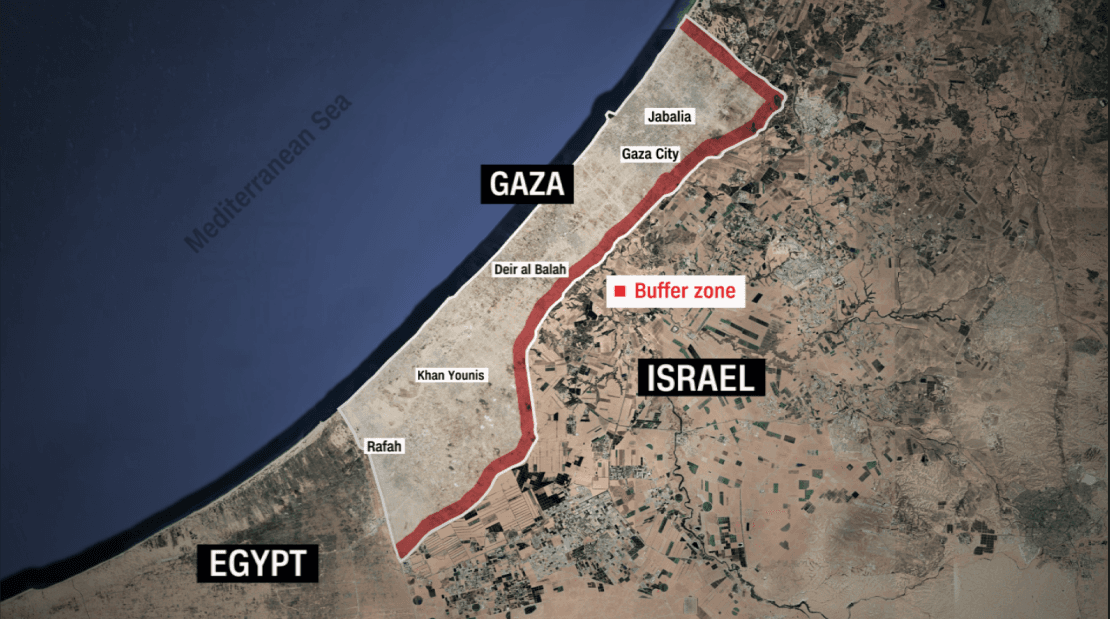
Israel Deepens Buffer Zone in Gaza Despite Sharm El Sheikh Agreement
In a significant development, Israel has moved its “Yellow Line” buffer zone deeper into Palestinian territory in Gaza. This action comes despite existing agreements, specifically the Sharm El Sheikh Agreement, which was established in coordination with Egypt"s General Intelligence Service (G.I.S.) and the U.S. White House. The buffer zone"s new position, indicated by a dashed yellow line, contrasts with the solid line that marks the agreed-upon boundary.
Key Details
Israeli Minister of Defense Yoav Katz has publicly discussed the rationale behind this expansion of the buffer zone, citing the need to prevent a recurrence of the events that transpired on October 7, 2023. On that date, a significant escalation in violence occurred, leading to widespread casualties and international concern. However, the logic of further Israeli Defense Forces (IDF) occupation as a deterrent to future incidents has been met with skepticism.
In response to the evolving situation, Egypt"s G.I.S. has successfully facilitated discussions among various Palestinian factions in Cairo. These discussions have led to the formation of a Palestinian government intended to govern Gaza, moving away from the previously preferred model of a foreign-imposed committee, which had been supported by the U.S. White House.
Moreover, Israel and Egypt are currently at odds over several aspects of the Sharm El Sheikh Agreement, particularly regarding Phase II, which addresses the militarization of both sides of the border. The IDF has maintained control over the “Philadelphi Corridor,” the area along Gaza"s border with Egypt, which has been a focal point of tension. Additionally, the Rafah Crossing, a critical transit point for goods and people between Gaza and Egypt, remains a contentious issue.
Another significant point of contention is a $35 billion energy deal involving the U.S. firm Chevron. As of now, Israel has not issued the necessary export certificates for Chevron, further complicating relations between the parties involved.
Furthermore, Egypt"s G.I.S. has been actively engaged in high-profile mediation talks concerning Lebanon, involving key players such as Hezbollah and the Lebanese Armed Forces (LAF). The aim of these discussions is to prevent internal conflict within Lebanon and to avert potential Israeli military offensives in the region.
Background
The Sharm El Sheikh Agreement, originally aimed at stabilizing relations between Israel and the Palestinian territories, has faced numerous challenges since its inception. The agreement was designed to create a framework for cooperation and security, but ongoing disputes and military actions have undermined its effectiveness. The recent escalation in violence has prompted both Israel and Egypt to reassess their strategies in the region.
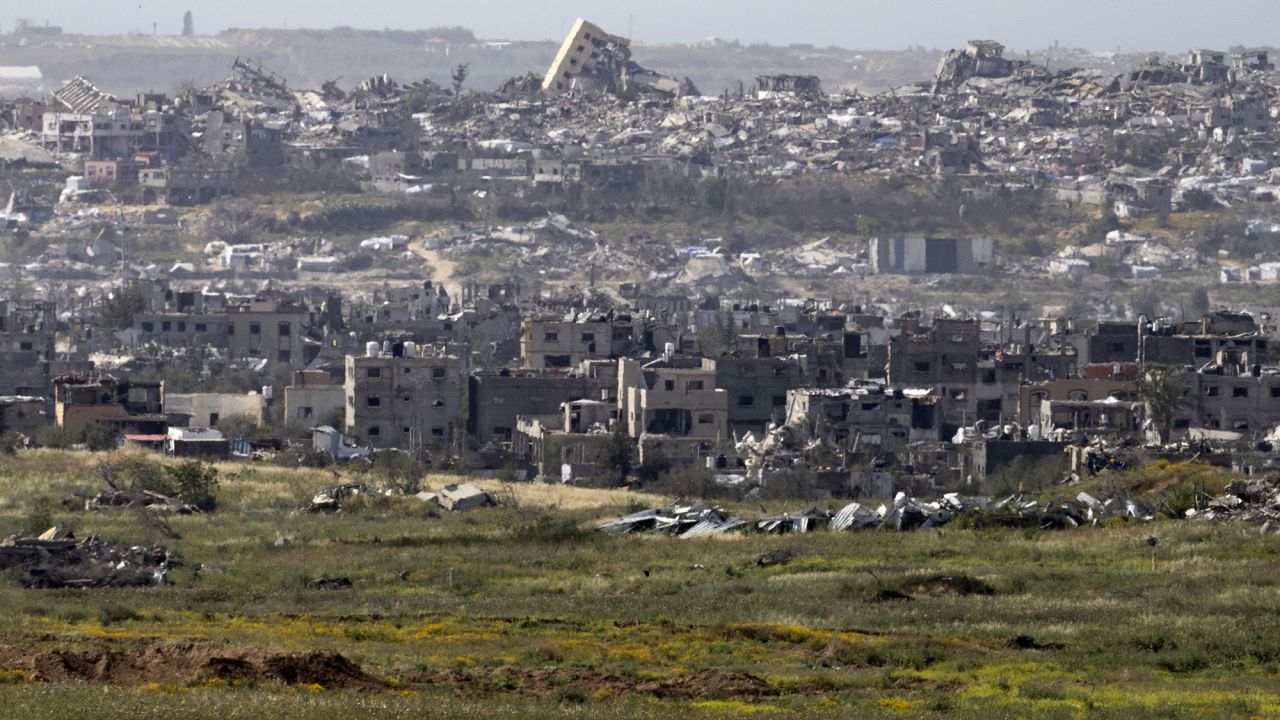
Image for Israel deepens buffer zone in Gaza despite Sharm El Sheikh Agreement
What"s Next
The implications of Israel"s deepened buffer zone and the ongoing negotiations in Cairo could have far-reaching effects on the stability of Gaza and the broader region. The establishment of a Palestinian government may alter the dynamics of governance in Gaza, potentially leading to a shift in how international stakeholders engage with the territory. Additionally, the unresolved issues surrounding the energy deal and border militarization will likely continue to be points of contention between Israel and Egypt, impacting regional security and economic relations.
As the situation evolves, further developments are expected, particularly regarding the interactions between the various Palestinian factions and the Israeli government, as well as the role of international actors like the United States and Egypt in mediating these complex relationships.
For more on related coverage, see recent developments in international relations.


![[Video] Join Nationalist network to connect with local vetted members](/_next/image?url=%2Fapi%2Fimage%2Fthumbnails%2Fthumbnail-1766769058358-q2l3wg-thumbnail.jpg&w=3840&q=75)