Trump"s Tariff Claims Misleading as China"s Rates Return to Pre-Liberation Levels
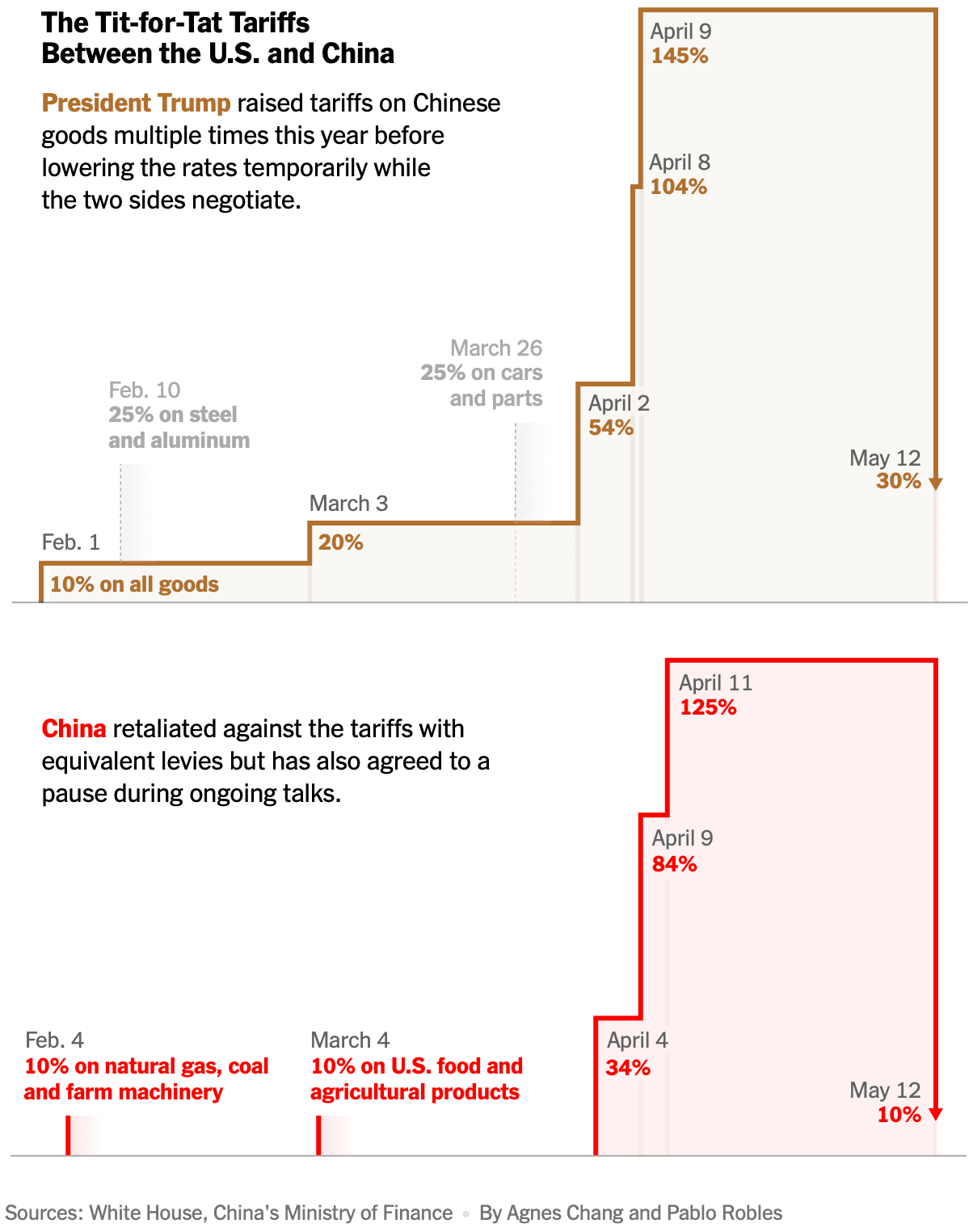
On November 2, 2025, a newly released factsheet from the White House revealed that the "reciprocal tariff," also referred to as the "Liberation Day" tariff, imposed on China has been reduced to 10%. This figure represents the lowest applicable tariff rate, a status that has only been previously enjoyed by Singapore and the United Kingdom. The announcement has sparked discussions regarding the accuracy of former President Donald Trump"s claims about overall tariffs affecting China.
Key Details
The White House"s factsheet indicates that the current 10% tariff on China is a significant reduction from previous rates. This reduction is coupled with a 10% decrease in what has been termed the "fentanyl tariff." As a result, China"s overall tariff rate has reverted to precisely 40.7%, the same level it was at before the implementation of the Liberation Day tariffs.
Arnaud Bertrand, a noted commentator on economic affairs, pointed out the implications of this tariff adjustment. He noted that despite the dramatic changes and political discourse surrounding the tariffs, the outcome has effectively returned to the status quo that existed in late March 2025. This situation raises questions about the efficacy of the tariff strategies employed during Trump"s administration.
Background
The tariffs on China have been a contentious issue in U.S.-China relations, particularly during Trump"s presidency. The "Liberation Day" tariffs were introduced as part of a broader strategy to address trade imbalances and concerns over intellectual property theft. However, the recent adjustments suggest a shift in approach, possibly reflecting changing economic conditions or diplomatic considerations.
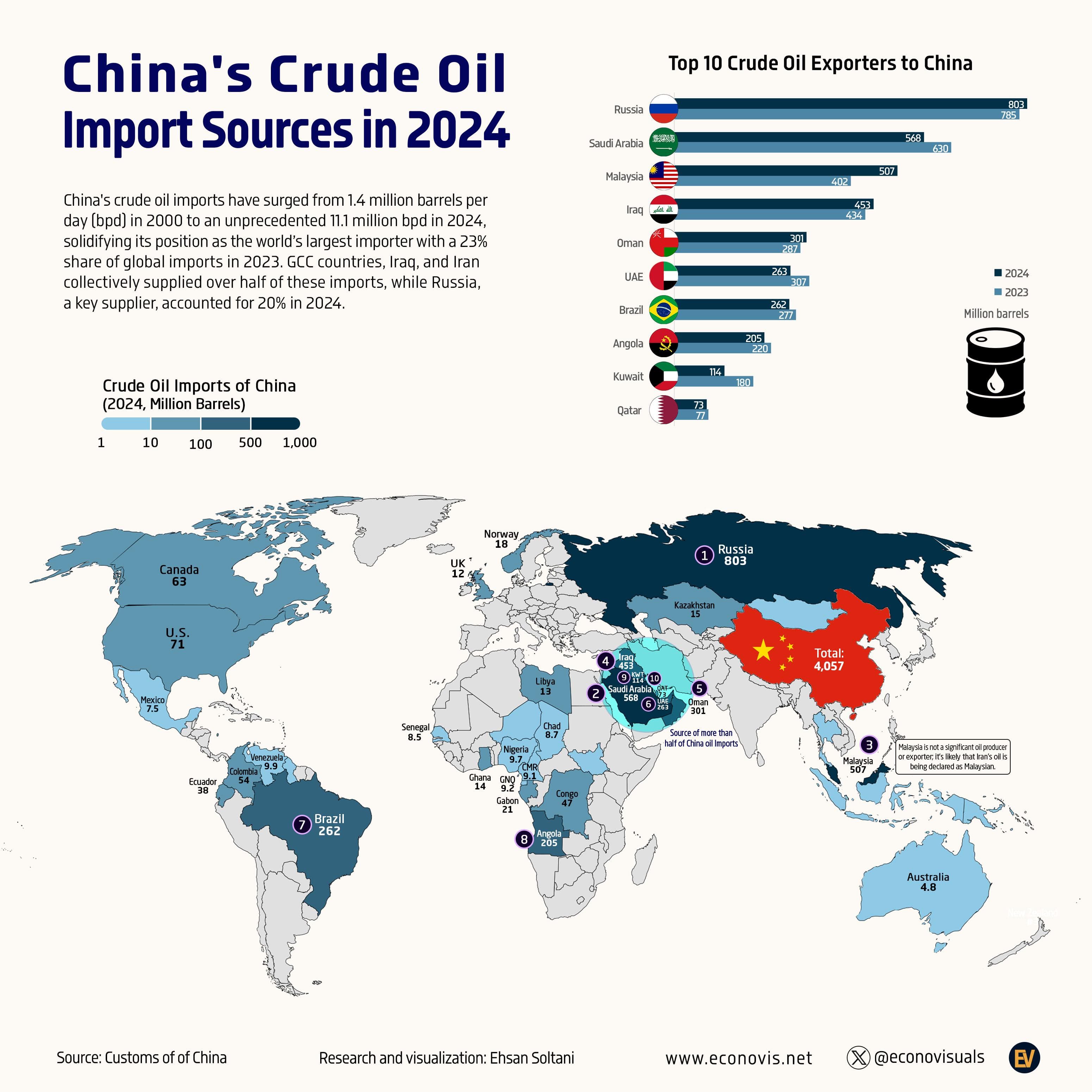
In the first half of 2025, China imported 13.6% of its oil from Iran, highlighting the complex web of international trade relationships that influence tariff policies. This trade dynamic could be a factor in the ongoing negotiations and adjustments to tariffs, as the U.S. navigates its foreign policy objectives in relation to both China and Iran.
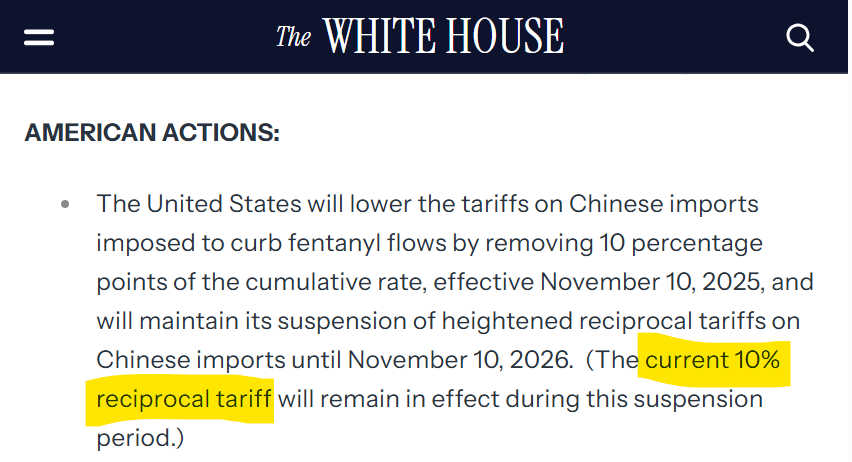
Image for China"s overall tariff rate returns to pre-Liberation Day level of 40.7%
What"s Next
The reduction of tariffs to pre-Liberation Day levels may have significant implications for U.S.-China trade relations moving forward. Analysts will be closely monitoring how these changes affect economic interactions between the two nations, particularly in sectors heavily impacted by tariffs. The return to a 40.7% overall tariff rate may influence future negotiations and trade agreements, as both countries reassess their positions in the global market.
As the political landscape continues to evolve, the ramifications of these tariff adjustments will likely be a focal point in discussions surrounding economic policy and international relations. For further insights into related developments, readers can explore recent developments in China"s oil imports and their implications for global trade.
![[Video] Anti-ICE Protester Pepper Sprayed as CBP Agents Disperse Crowd in Minneapolis](/_next/image?url=%2Fapi%2Fimage%2Fthumbnails%2Fthumbnail-1768260677127-y71sb7-thumbnail.jpg&w=3840&q=75)
![[Video] Minneapolis Mayor Jacob Frey calls DHS agents' arrival an 'INVASION'](/_next/image?url=%2Fapi%2Fimage%2Fthumbnails%2Fthumbnail-1768258260467-z8ar1h-thumbnail.jpg&w=3840&q=75)