Colombian President Gustavo Petro Proposes Rebuilding Gran Colombia as Confederation
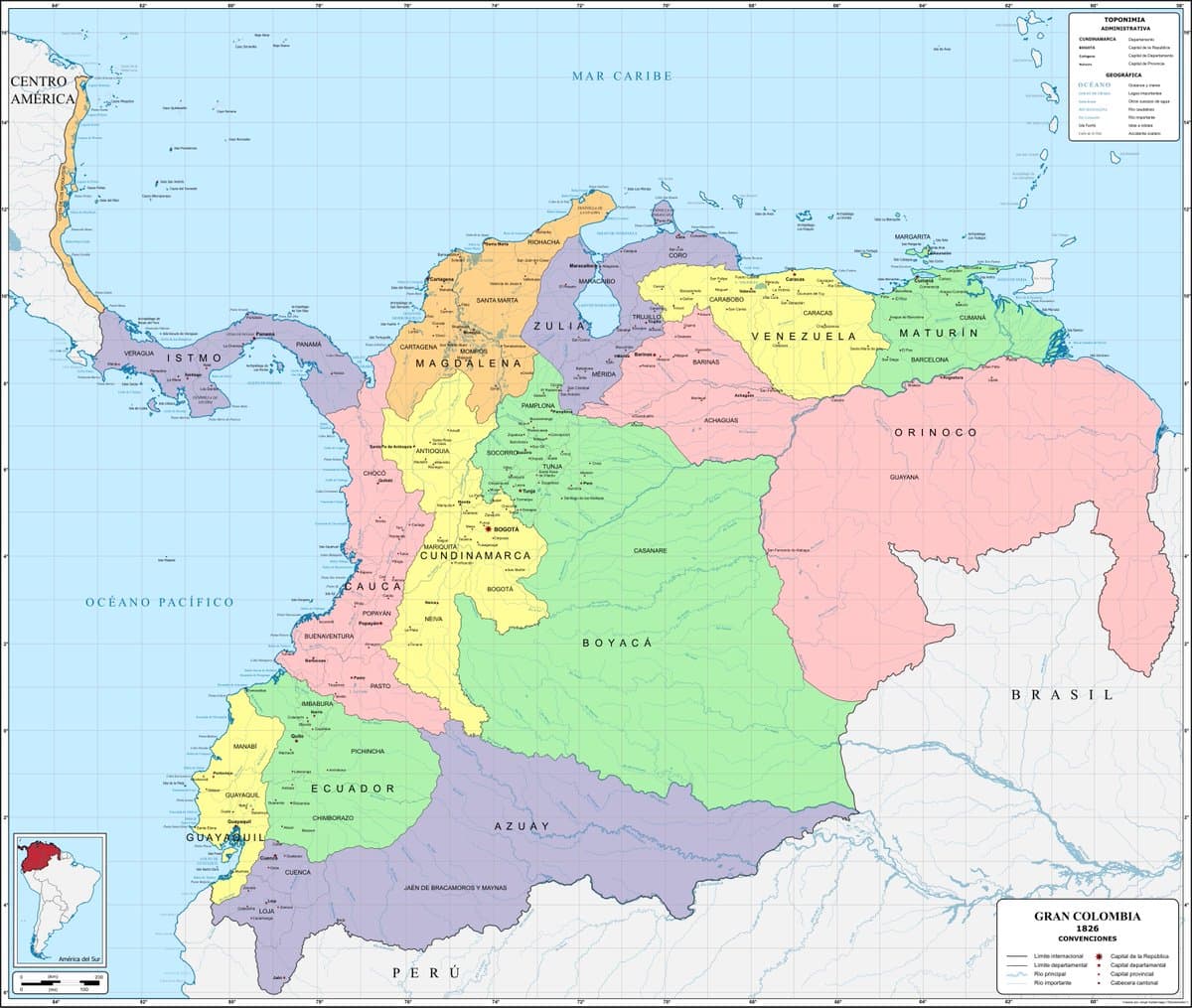
On January 10, 2026, Colombian President Gustavo Petro made a bold proposal to reconstruct Gran Colombia, a historical federation originally envisioned by independence leader Simón Bolívar. Petro"s plan suggests the establishment of a confederation of autonomous nations, which would be determined through a constituent vote by the population. This initiative aims to foster regional cooperation and shared governance among Latin American countries.
Key Details
President Gustavo Petro emphasized the importance of creating a unified Gran Colombia, reflecting Bolívar"s vision for a united Latin America. He proposed that this new confederation would allow for common policies in areas identified by the people, particularly focusing on commercial policies that promote industrialization. Petro highlighted Colombia"s geographical significance as a central hub in both the world and Latin America, which could facilitate advancements in clean energy, knowledge, and high-technology infrastructure for mobility and communication.
Under Petro"s proposal, the confederation would include a Gran Colombian parliament, a court of justice, and a government council, drawing parallels to the structures of the European Union and the federal government of the United States. This governance model aims to ensure that member nations maintain autonomy while collaborating on shared interests and policies.
Additionally, Petro pointed out the potential for increased tourism and global connectivity that such a confederation could foster. By leveraging the unique cultural and natural resources of the member nations, the Gran Colombia initiative could enhance economic opportunities and promote regional stability.
Background
Gran Colombia was originally established in 1819 and included present-day Colombia, Venezuela, Ecuador, and Panama. The federation dissolved in 1831 due to political and regional differences among its member states. Since then, the idea of a united Latin America has been a recurring theme in regional politics, often associated with the legacy of Simón Bolívar, who advocated for unity among Latin American nations to resist colonial powers and promote independence.
President Petro"s proposal comes at a time when Latin America faces numerous challenges, including economic instability, political fragmentation, and social unrest. His vision for a confederation seeks to address these issues by promoting collaboration and shared governance among neighboring countries.
What"s Next
The success of President Petro"s proposal will depend on the support of the Colombian populace and the willingness of other Latin American nations to engage in discussions about a potential confederation. If realized, this initiative could reshape the political landscape of the region, fostering greater cooperation and addressing common challenges faced by member nations.
As previously reported, similar movements advocating for regional unity have emerged in various parts of the world, reflecting a growing trend towards collaborative governance. The outcome of Petro"s proposal could serve as a significant case study for other regions considering similar paths.
For more on international political developments, see our recent developments regarding governance and public response in other countries.
![[Video] Crown prince Reza Pahlavi says Trump ready to help national revolution](/_next/image?url=%2Fapi%2Fimage%2Fthumbnails%2Fthumbnail-1768101070994-cnnj2-thumbnail.jpg&w=3840&q=75)
![[Video] Thousands of Irish farmers protest Mercosur trade deal](/_next/image?url=%2Fapi%2Fimage%2Fthumbnails%2Fthumbnail-1768083678037-nzksz-thumbnail.jpg&w=3840&q=75)