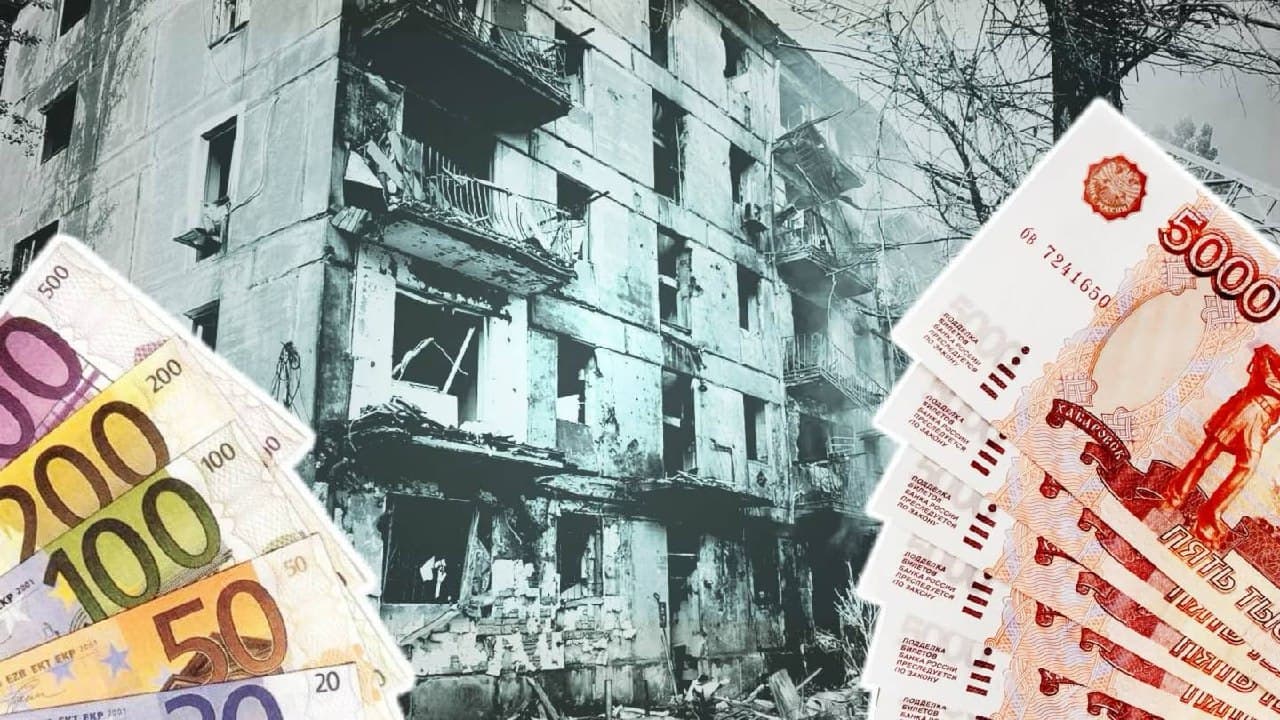
EU Approves Indefinite Freeze on €210 Billion in Russian Sovereign Assets
On December 12, 2025, the European Union (EU) announced a unanimous decision to impose an indefinite freeze on approximately €210 billion (equivalent to $246 billion) in Russian central bank assets held within its member states. This significant move marks the conclusion of a six-month renewal process that had faced potential vetoes from certain EU members aligned with Moscow, notably Hungary.
Key Details
The decision to immobilize these assets was enacted through a qualified majority vote under Article 122 of the EU Treaty. This legal framework allows for such measures in response to serious economic disturbances. The freeze will remain in place until Russia withdraws its military forces from Ukraine and compensates for the damages caused by the ongoing conflict.
This action removes a crucial legal and political barrier that previously hindered the EU"s ability to leverage these assets for the defense of Ukraine. The funds, which represent a substantial portion of Russia"s foreign reserves, are now effectively inaccessible to the Russian government, limiting its financial maneuverability in the wake of international sanctions.
The unanimous approval by EU member states underscores a collective stance against Russia"s military aggression in Ukraine, which began in February 2022. The freeze is part of a broader strategy by the EU to exert economic pressure on Moscow in response to its actions in Ukraine, which have been widely condemned by the international community.
Background
The EU"s decision follows a series of sanctions imposed on Russia since the onset of the conflict, aimed at crippling its economy and reducing its ability to finance military operations. The €210 billion in assets represents a significant portion of the Russian central bank"s reserves that were previously held in European financial institutions.
Hungary"s potential veto had posed a challenge during the renewal discussions, reflecting the complexities of EU politics where member states may have differing views on how to handle relations with Russia. However, the successful passage of this measure indicates a strong consensus among EU nations regarding the need for a unified response to Russian aggression.
What"s Next
The indefinite freeze on Russian assets is expected to have far-reaching implications for both the EU and Russia. For Ukraine, the immobilization of these funds could pave the way for future financial support, potentially allowing the EU to repurpose the assets for military and humanitarian aid as the conflict continues. The EU has been actively seeking ways to support Ukraine amid ongoing hostilities, and this decision aligns with its commitment to assist the nation in its defense efforts.
As the situation evolves, the EU may explore additional measures to further isolate Russia economically. The effectiveness of the asset freeze will depend on the continued unity among EU member states and their willingness to enforce and expand sanctions as necessary. The international community will be closely monitoring the developments, particularly in light of ongoing discussions about the long-term consequences of the conflict in Ukraine.
In conclusion, the EU"s decision to freeze €210 billion in Russian sovereign assets marks a significant escalation in its efforts to hold Russia accountable for its actions in Ukraine. The move reflects a robust commitment to support Ukraine while simultaneously applying economic pressure on Moscow.

![[Video] Terrorist attack at Bondi Beach kills 10, injures dozens during Hanukkah event](/_next/image?url=%2Fapi%2Fimage%2Fthumbnails%2Fthumbnail-1765707643006-2pk18t-thumbnail.jpg&w=3840&q=75)